
EPISODE · Aug 28, 2022 · 10 MIN
Anxiety on Mental Health and Wellbeing
from Mental Health Training · host Ron
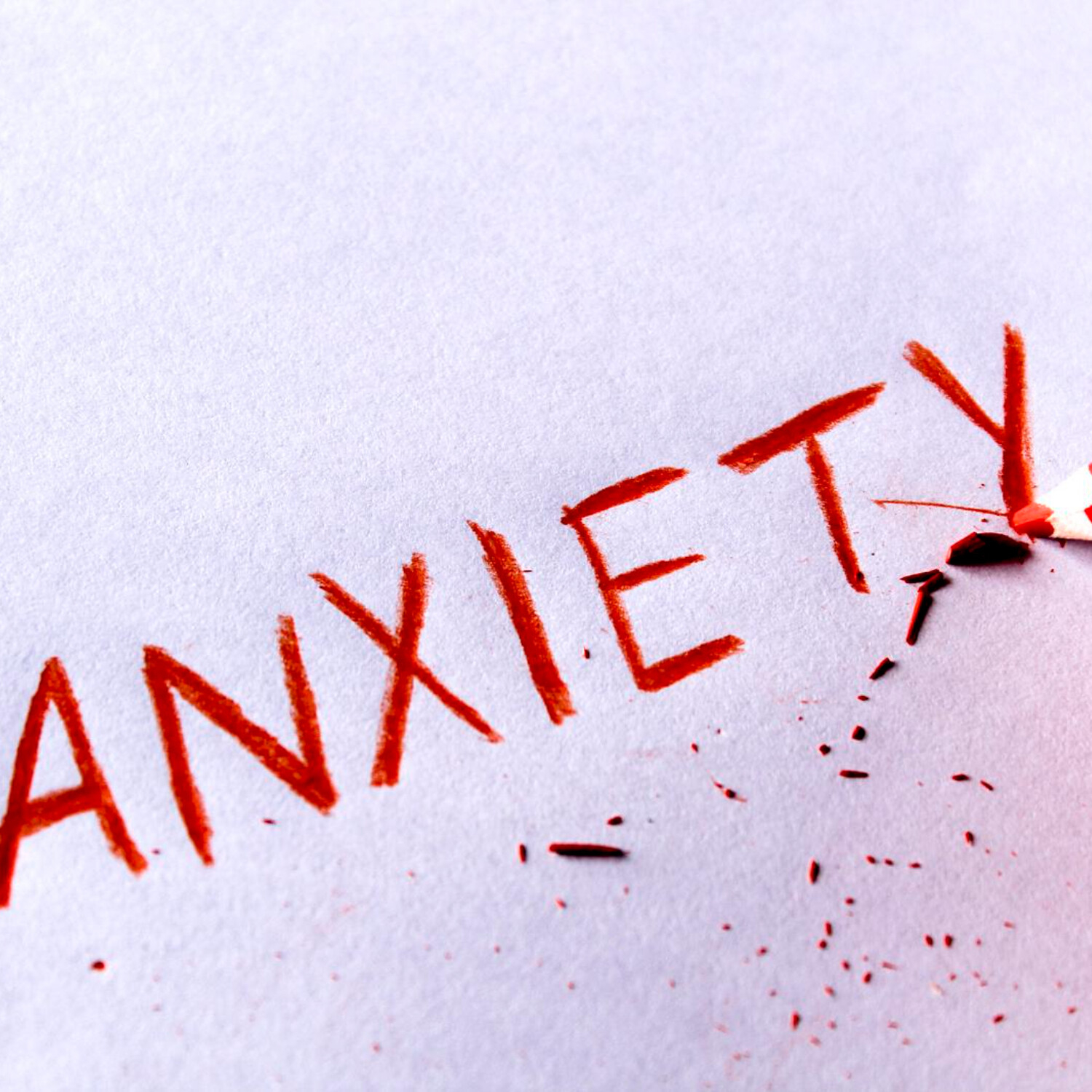
Anxiety on Mental Health and Wellbeing If you’re having trouble sleeping well or feeling anxious most days, you probably aren’t alone because over 40 million Americans yearly suffer from anxiety disorders. Excessive worry has become common for many people today, and it affects their ability to sleep well, perform daily tasks, concentrate, or enjoy social interactions—and that’s not healthy! There’s an evolutionary reason behind anxiety. Anxiety is basically preparing our brains and bodies to escape potential danger, an evolutionary mechanism that has helped humans survive as long as they have. Anxiety, coupled with fear, is often necessary for a specific event. For example, if we’re confronted with a lion, it may help us to run much faster than we would without any form of anxiety or dread. Parts of the brain are evolutionarily wired for our survival. Because of this, we sometimes still perceive many non-life-threatening cases as “life-or-death situations,” as if a sabre tooth tiger were chasing us down in the urban jungle. Furthermore, the brain’s emotional system is also hardwired to respond in an emotionally set way to life-and-death situations. The amygdala is one part of the limbic system involved in emotion. It has been shown that when people are exposed to threatening stimuli (such as images or sounds), while their amygdala may be stimulated unconsciously, they experience fear. What are some signs that your anxiety levels are too high? With so much happening in our lives today, we tend to worry a lot. Worry can take many forms, including irrational fears, overthinking, and worrying too much about things that may never happen. Learning to manage these feelings and not let them control you is crucial. It’s natural to feel occasional anxiety. Some anxiety levels can be helpful, as they provide a “red flag” that something is meaningful in our lives and worth giving more awareness to. For example, mild anxiety about an upcoming exam can serve as a reminder that this event is ‘out there,’ and we can use that anxiety to our advantage by ensuring we study for the exam. The effects of prolonged anxiety, however, can be detrimental to both our physical and mental health. If you experience the following signs and symptoms more often than not for at least a couple of weeks, you may be experiencing more anxiety than is healthy with significant changes in sleep and appetite, muscle tension, fatigue, difficulty concentrating, and frequent worrying and rumination. If excessive worry negatively impacts your social activities, work, or relationships with others, you may have too high a stress level. Read More:
Embed this episode
NOW PLAYING
Anxiety on Mental Health and Wellbeing
No transcript for this episode yet
Similar Episodes
No similar episodes found.
Similar Podcasts
No similar podcasts found.