
EPISODE · Aug 8, 2024 · 44 MIN
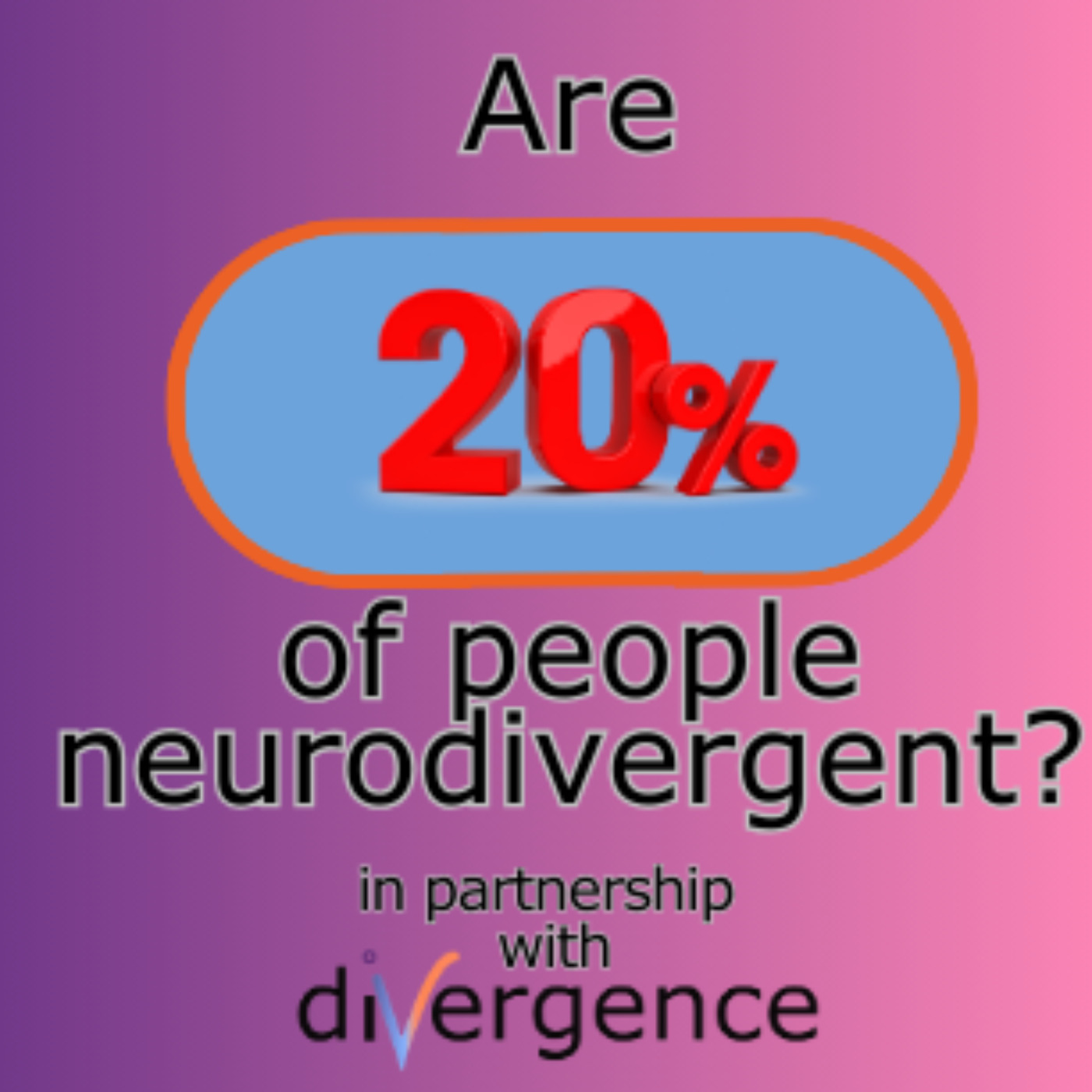
Are 20% of people neurodivergent?
from talkADHD
SummaryIn this episode, Matt and Andrew discuss the numbers and figures often quoted about neurodivergent conditions, such as ADHD and autism. They examine the recent headlines and investigations regarding waiting lists for ADHD assessments, medication shortages, and the need for SEND provision in schools. They question the accuracy and interpretation of these figures and highlight the confusion and fear they can cause. They also explore the calculation methods used to estimate the prevalence of neurodivergent conditions in the population and the importance of considering comorbidity. Overall, they emphasize the need for critical thinking and understanding when it comes to interpreting and discussing these numbers. The conversation in this part focuses on comorbidity and the use of ADHD medication. It highlights the coexistence of ADHD with other conditions such as Tourette's, language disorders, and autism spectrum disorder (ASD). The prevalence of ADHD is reduced when considering these coexisting conditions. The discussion also delves into the use of ADHD medication, particularly among adult women. The data presented shows an increase in the number of children and adults accessing ADHD medication. However, there are still many undiagnosed and untreated individuals with ADHD, emphasizing the need for increased awareness and support.Takeaways:The numbers and figures often quoted about neurodivergent conditions can be confusing and misleading.Headlines and investigations about waiting lists, medication shortages, and the need for SEND provision contribute to the confusion and fear surrounding these conditions.The prevalence of neurodivergent conditions in the population is estimated using approximation methods and sample data.It is important to consider comorbidity when discussing the prevalence of neurodivergent conditions.Critical thinking and understanding are necessary when interpreting and discussing these numbers. ADHD often coexists with other conditions such as Tourette's, language disorders, and autism spectrum disorder (ASD).The prevalence of ADHD is reduced when considering these coexisting conditions.There has been an increase in the number of children and adults accessing ADHD medication.However, there are still many undiagnosed and untreated individuals with ADHD, highlighting the need for increased awareness and support.Chapters00:00 Introduction: Examining the Numbers and Figures02:35 The Prevalence of Neurodivergent Conditions07:32 The Waiting Times for ADHD Assessments17:24 Questioning the Headline Figures24:56 Coexisting Conditions and Complexity26:04 Misleading Headlines and Catchy Numbers32:07 Understanding ADHD Medication Use in Different Age Groups37:56 The Challenges of Accessing Support for ADHD40:31 Advocacy Based on Facts and EvidenceContact Divergenceuk.org for assessments and diagnosis:https://divergenceuk.orgContact Matt for Consultancy, workplace training or 1-2-1 Mentoring:https://thinkneurodiversity.comTALKADHD Whatsapp community:https://chat.whatsapp.com/JR8R8jTl5zY0jr8MzXjIE7YouTube Channel Link:https://www.youtube.com/@TALKADHD Hosted on Acast. See acast.com/privacy for more information.
Embed this episode
NOW PLAYING
Are 20% of people neurodivergent?
No transcript for this episode yet
Similar Episodes
No similar episodes found.
Similar Podcasts
No similar podcasts found.