Are the constants of nature really constant? episode artwork

EPISODE · Nov 29, 2022 · 23 MIN

Are the constants of nature really constant?

from Maths on the Move · host plus.maths.org

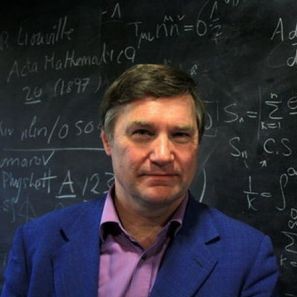
There are some numbers you can rely on. The speed of light, c, is 299,792,458 ms-1. The gravitational constant, G, is 6.674 x 10⁻¹¹m3kg-1s-2. These are examples of what are often called the constants of nature – fundamental physical quantities that seem to be the same everywhere, and unchanging over time. Or are they? Today would have been our wonderful boss, John D. Barrow's, 70th birthday. And to celebrate him and his work we look at the answer to this question in today's podcast. John D. Barrow (Image credit: Tom Powell) Over time, since these constants were discovered, people had hoped to find a theory, a great theory of everything, that would explain why these particular values had arisen. However, as John explains in this podcast, developments in recent decades, in areas such as string theory, have shown that these constants could take any value. And this provided the motivation for studying whether such constants might be changing in value. John, together with the astronomer John Webb, initiated an observational programme looking at the light produced by quasars in the distant Universe. They developed new techniques to analyse the light to test if certain constants had the same value near a quasar as they did in laboratories here on Earth. You can find out more about this aspect of John’s work in this podcast, and read more in his accompanying article: Are the constants of nature really constant? And you can find out more about some of John's other work and interests in his many Plus articles. This interview was recorded in 2009 as part of our celebration of the International Year of Astronomy 2009, where we tried to answer the questions everyone wanted to ask about the Universe

There are some numbers you can rely on. The speed of light, c, is 299,792,458 ms-1. The gravitational constant, G, is 6.674 x 10⁻¹¹m3kg-1s-2. These are examples of what are often called the constants of nature – fundamental physical quantities that seem to be the same everywhere, and unchanging over time. Or are they? Today would have been our wonderful boss, John D. Barrow's, 70th birthday. And to celebrate him and his work we look at the answer to this question in today's podcast. John D. Barrow (Image credit: Tom Powell) Over time, since these constants were discovered, people had hoped to find a theory, a great theory of everything, that would explain why these particular values had arisen. However, as John explains in this podcast, developments in recent decades, in areas such as string theory, have shown that these constants could take any value. And this provided the motivation for studying whether such constants might be changing in value. John, together with the astronomer John Webb, initiated an observational programme looking at the light produced by quasars in the distant Universe. They developed new techniques to analyse the light to test if certain constants had the same value near a quasar as they did in laboratories here on Earth. You can find out more about this aspect of John’s work in this podcast, and read more in his accompanying article: Are the constants of nature really constant? And you can find out more about some of John's other work and interests in his many Plus articles. This interview was recorded in 2009 as part of our celebration of the International Year of Astronomy 2009, where we tried to answer the questions everyone wanted to ask about the Universe

NOW PLAYING

Are the constants of nature really constant?

0:00 23:01

No transcript for this episode yet

We transcribe on demand. Request one and we'll notify you when it's ready — usually under 10 minutes.

Frequently Asked Questions

How long is this episode of Maths on the Move?

This episode is 23 minutes long.

When was this Maths on the Move episode published?

This episode was published on November 29, 2022.

What is this episode about?

There are some numbers you can rely on. The speed of light, c, is 299,792,458 ms-1. The gravitational constant, G, is 6.674 x 10⁻¹¹m3kg-1s-2. These are examples of what are often called the constants of nature – fundamental physical quantities that...

Can I download this Maths on the Move episode?

Yes, you can download this episode by clicking the download button on the episode player, or subscribe to the podcast in your preferred podcast app for automatic downloads.
URL copied to clipboard!