
EPISODE · Jul 1, 2026 · 10 MIN
Are You Responsible for Your Child's Struggles in Matches? | Sport Psychology for Tennis
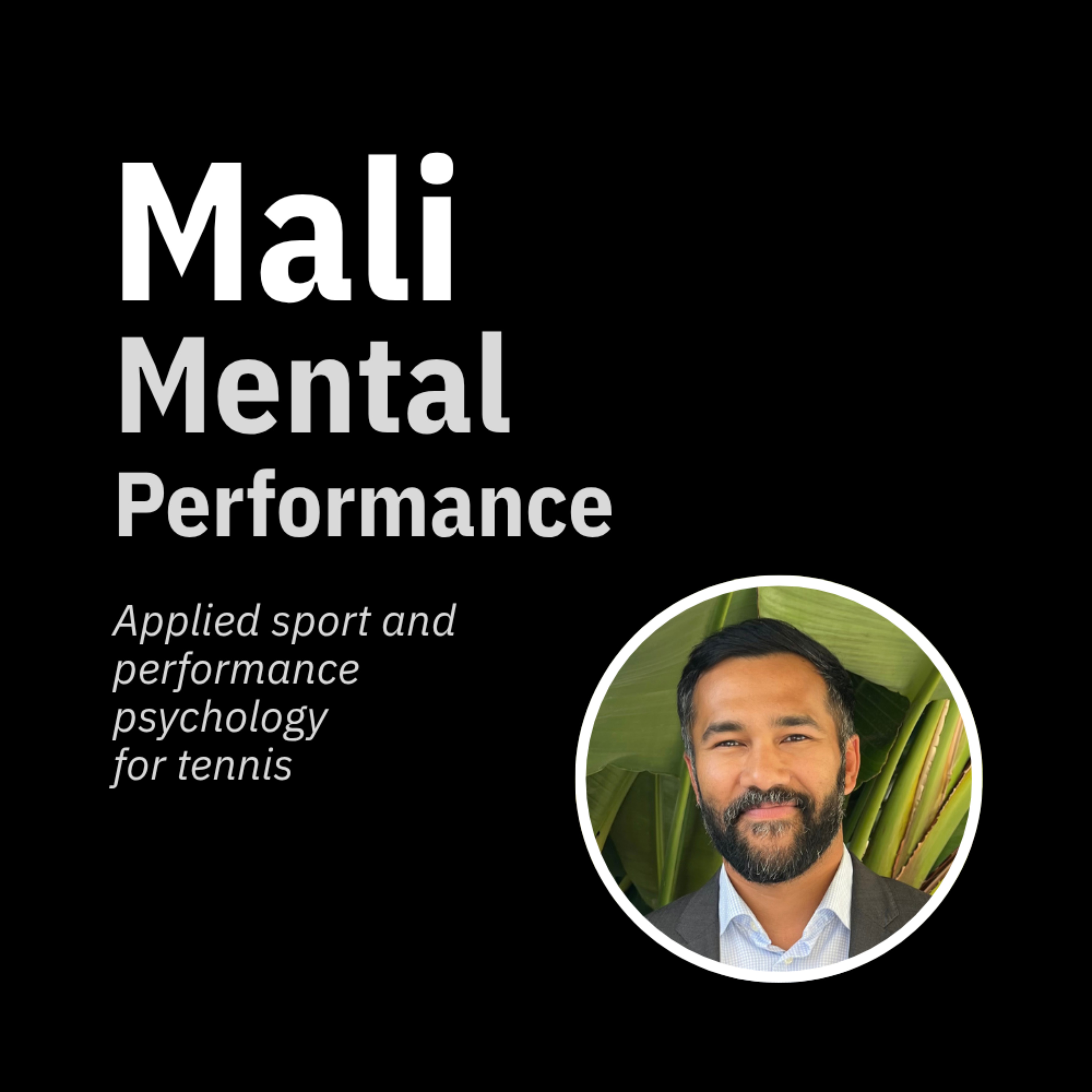
from The Short Set — Applied Sport Psychology for Tennis · host Malhar Mali, MS, Sport, Exercise, and Performance Psychology
Why do some junior players develop confidence, resilience, and a love of competing, while others become anxious, afraid of losing, or eventually quit the sport altogether? In this video, I introduce the concept of motivational climate—the psychological environment created by parents and coaches—and explain how it shapes an athlete’s motivation and long-term development. Drawing on Achievement Goal Theory, we explore the difference between ego-involving and mastery-involving climates, what the research tells us, and how subtle messages about winning, effort, and improvement influence young athletes over time. Whether you’re a parent, coach, or player, I hope this gives you a framework for thinking differently about the environment you’re creating and the kind of athlete you’re helping develop.→ Schedule an intro call: https://malimentalperformance.com/intro-call→ How do sessions work? https://malimentalperformance.com/how-do-sessions-work→ My website: https://malimentalperformance.com→ Prefer to read it? Here: https://malimentalperformance.com/post/are-you-responsible-for-your-childs-struggles-on-the-tennis-courtMy name is Malhar Mali. I'm a mental performance/sport psychology consultant, with a MS in Sport, Exercise, and Performance Psychology. I've been a tennis player for most of my life, at the collegiate level and beyond, and I've also been an NCAA coach. I've managed and directed tennis programs, and over the past few years I've undertaken the appropriate education and ethical training to become a sport psychology professional; I have been trained as a scientist-practitioner. I also have research in cognitive anxiety, emotional regulation and emotional resilience, working with players inside the Top 100 to the Top 500. Today, I work with athletes all over the globe. Ages range from as young as 11 all the way to adult.—What is applied sport and performance psychology and who works in it? This field is the non-clinical application of sport psychology (the science), psychology, counseling, and motor behavior to help athletes and performers improve the quality of their performance and improve mental well-being. Professionals have a minimum of a master's or PhDs in Sport Psychology or a *closely* related field.
Embed this episode
Ready to play
Are You Responsible for Your Child's Struggles in Matches? | Sport Psychology for Tennis
No transcript for this episode yet
Similar Episodes
No similar episodes found.
Similar Podcasts
No similar podcasts found.