
EPISODE · Jan 13, 2026 · 10 MIN
Are You Secretly Fueling a Toxic Culture? A Leadership Moment In The Mirror
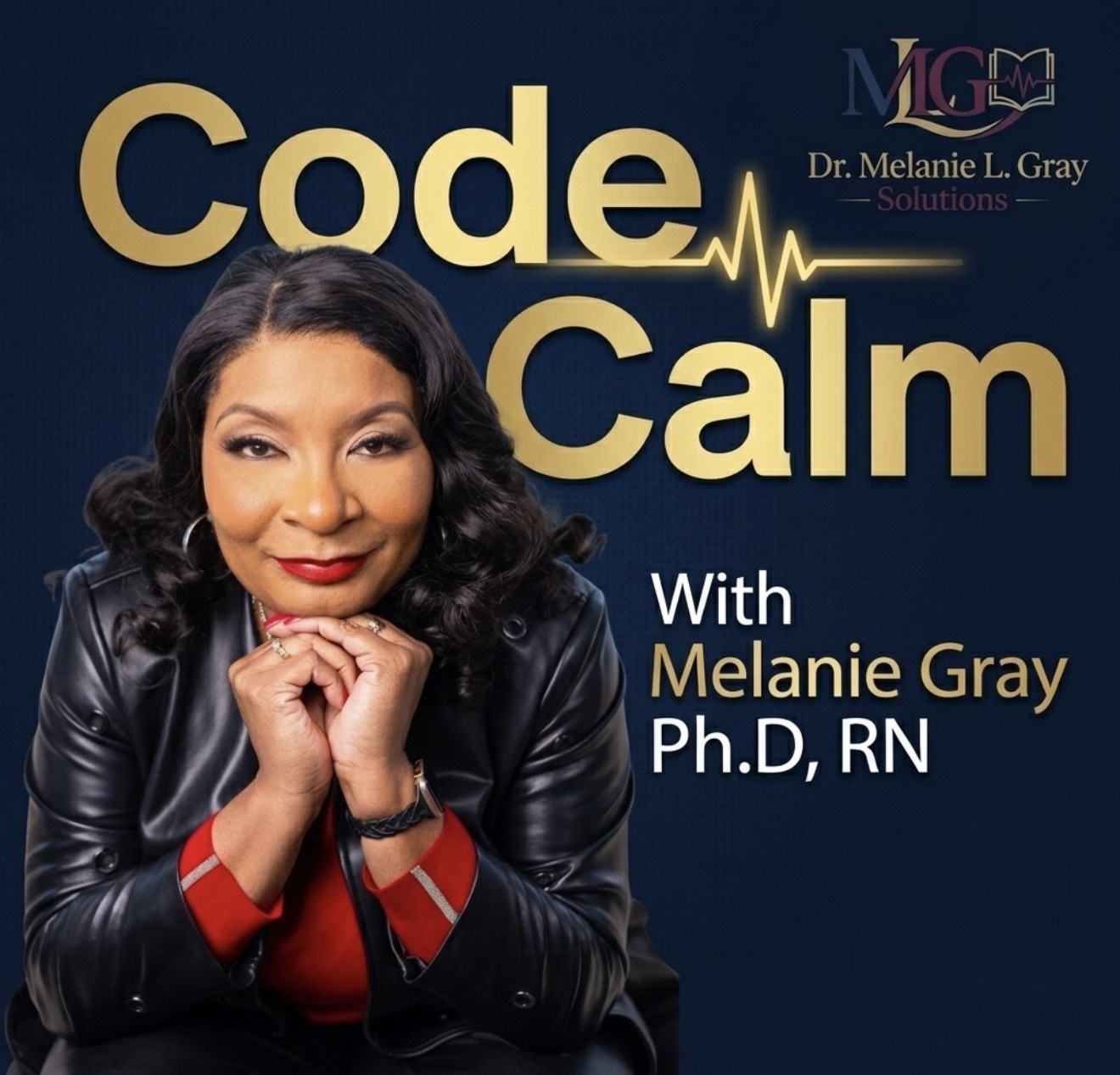
from Code Calm With Melanie Gray Ph.D, RN · host Melanie Gray Ph.D, RN
In this episode of Code Calm, we will unpack “toxic culture” as a pattern, not a bad day: teams walking on eggshells, fear of speaking up, public shaming, cutting side comments, and constant urgency without clear priorities. You challenge the unspoken rule of “don’t bring problems, bring solutions” when it becomes an emotional threat that leads people to shut down, disengage, or leave. From there, the episode shifts into practical, trauma-informed leadership action. You guide a quick nervous system reset (jaw unclenched, shoulders down, slow inhale and longer exhale), reinforce that a regulated leader can deliver hard messages without harm, and offer a clarity script leaders can use immediately: “Here’s what we’re up to, what we’re up against, and what matters most right now.” You emphasize that culture change starts with systems, not slogans—clarifying decision rights, defining “good,” managing capacity (“What comes off the plate?”), and leading with consistency and protection so people feel safe to tell the truth. The closing message lands with power: systemic pressure may be unavoidable; toxicity is optional—because calm isn’t passive, it’s leadership.
Embed this episode
What this episode covers
Summary In this episode of Code Calm, Dr. Melanie Gray discusses the impact of systemic pressure and toxic culture on leadership and team dynamics. She emphasizes the importance of self-awareness in leadership, encouraging leaders to reflect on their behaviors and how they may contribute to a toxic environment. Dr. Gray provides practical strategies for reducing toxicity, such as fostering clarity, consistency, and emotional regulation. The episode concludes with a call to action for leaders to choose calmness and safety in their leadership approach. Takeaways Systemic pressure can lead to a toxic work culture. Leaders must reflect on their contributions to toxicity. Awareness of one’s behavior is crucial for effective leadership. Clarity in communication reduces confusion and conflict. Emotional regulation is key to delivering difficult messages. Leaders should create an environment where team members feel safe to speak up. Consistency in leadership fosters trust and reduces anxiety. Acknowledging past mistakes can repair team dynamics. Calm leadership is proactive, not passive. Choosing clarity and consistency can mitigate toxicity.
Ready to play
Are You Secretly Fueling a Toxic Culture? A Leadership Moment In The Mirror
No transcript for this episode yet
Similar Episodes
No similar episodes found.