
EPISODE · Apr 1, 2026 · 1H
Artemis II’s AVATAR and a sungrazing comet
from Planetary Radio: Space Exploration, Astronomy and Science · host The Planetary Society
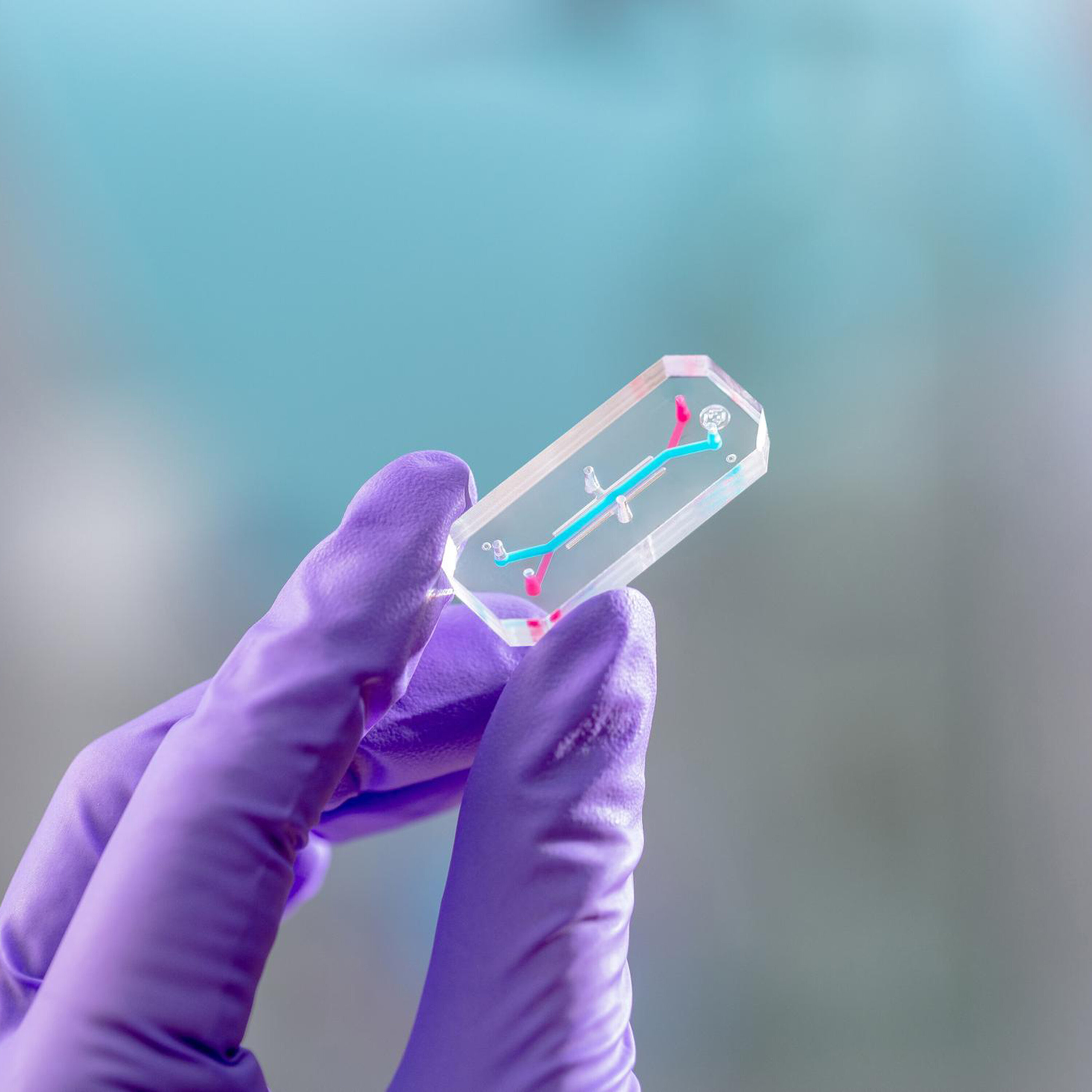
Artemis II is the first crewed lunar mission since Apollo 17, and riding alongside the crew is one of the most ambitious biology experiments ever sent to space. It's called AVATAR, short for A Virtual Astronaut Tissue Analog Response: tiny organ chips grown from the astronauts' own cells, flying the same trajectory around the Moon, exposed to the same deep-space radiation and microgravity as the crew themselves. Lisa Carnell, director of NASA's Biological and Physical Sciences Division, explains what this experiment could mean for the future of human exploration. Then, Alain Maury, asteroid hunter and Planetary Society Shoemaker Near-Earth Object grant recipient, tells the story of how his MAPS survey in Chile's Atacama Desert spotted a faint, fuzzy object that turned out to be something extraordinary. C/2026 A1 (MAPS) is a sungrazing comet now falling toward the Sun on a path that will bring it within 162,000 kilometers (100,000 miles) of the solar surface on April 4th. If it survives that encounter, it could become one of the most spectacular comets in decades. And finally, Planetary Society Chief Scientist Bruce Betts joins us for What's Up, including how to spot the comet yourself, if it makes it through. Discover more at: https://www.planetary.org/planetary-radio/2026-avatar-and-sungrazerSee omnystudio.com/listener for privacy information.
Embed this episode
What this episode covers
Lisa Carnell, Director of NASA's Biological and Physical Sciences Division, explains AVATAR, the experiment flying organ chips grown from astronaut cells on Artemis II. Then, asteroid hunter Alain Maury tells the story of discovering a sungrazing comet that could become one of the most spectacular in decades.
NOW PLAYING
Artemis II’s AVATAR and a sungrazing comet
No transcript for this episode yet
Similar Episodes
No similar episodes found.
Similar Podcasts
No similar podcasts found.