
EPISODE · Feb 18, 2026 · 5 MIN
Ash Wednesday Reflection
from Catholic Saints & Feasts · host Fr. Michael Black
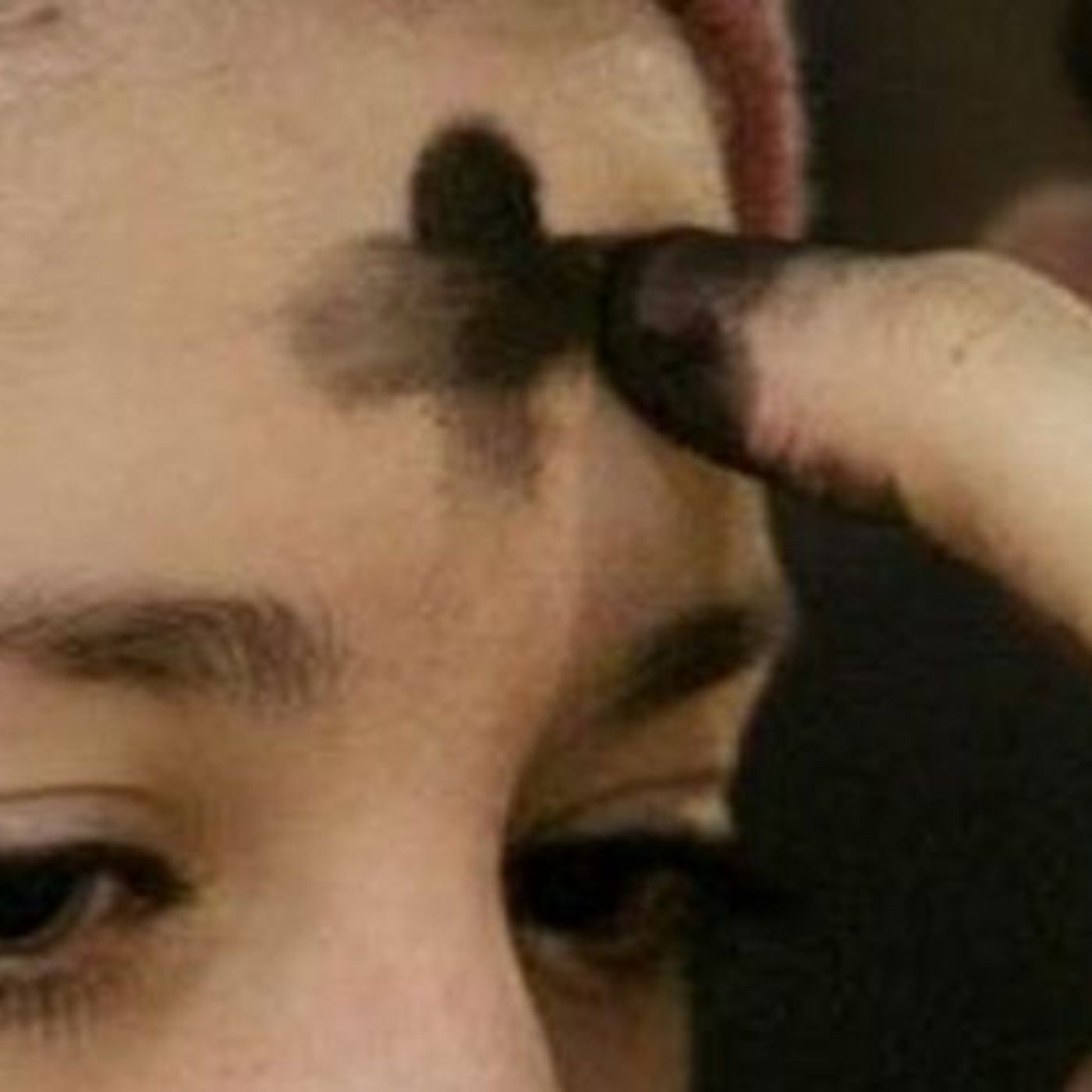
Ash Wednesday Forty-six days before Easter Liturgical Color: Violet Without God we are a tiny pile of crumbs The marauding pirates of the high seas had their tough skin inked with tattoos. Roman soldiers smothered their bodies in oil before a battle. Primitive peoples ritually paint a warrior’s face before a fight, stretch earlobes with hoops, or pierce noses with large rings. When American Indians wanted to emulate the ferocity or speed of an animal, a sharp bone fragment was used to carve that creature’s outline into their skin, where it was stained with dye or soot. Traditionally, when a simple man wanted to announce what tribe he ran with, what nation he would die for, or what woman he would defend, he didn’t need to say a word. He just lifted up his shirt a bit, rolled up his sleeve, or pointed to a mark on his neck. Clothes, hairstyle, and cosmetics communicate status, origin, belonging, and commitment well. But they can all be removed or changed. Tattoos, scalpings, piercings, brands, paints, and scars use the body as their canvas to permanently convey what words cannot. On Ash Wednesday, Catholics receive a temporary ash “tattoo” of a cross just above their eyes and nose. This primal gesture evokes the raw, uncomplicated, religious devotion at the core of our otherwise sophisticated theology. The Church consecrates the body externally with water and oil in Baptism, Confirmation, and Anointing of the Sick. The Church reads Saint Thomas Aquinas, sings refined Latin chant, and prays before luminous stained glass. And it also smudges black ashes on our faces. Real religions do things like this. A real religion has priests who smear your face with dirty ash as they whisper, “You’re gonna die.” Man’s earthly end, the separation of soul and body, could have come about in many ways. But due to original sin, this end always comes through death. Death is a punishment for Adam and Eve’s sin of pride in eating the fruit of the Tree of Knowledge of Good and Evil in the Garden of Eden. This sin is not original in the sense of being authentic or unrepeatable, but in that it occurred at our common origin. As a permanent repercussion of His punishment, God made work burdensome and instituted death as the mysterious doorway through which all must walk to exit earthly life. God told this to our common parents in Genesis 3:19: “By the sweat of your face you shall eat bread until you return to the ground, for out of it you were taken; you are dust, and to dust you shall return.” The last of these words are repeated to the faithful as the ashes are placed on their foreheads on Ash Wednesday. But as these words of death and destruction, of returning to the ground, are spoken, the priest does not trace an ash circle or a black question mark on our foreheads. He traces a cross. In this sign we shall conquer. In no other sign will we conquer. So with death comes a promise. With the old Adam there comes a new Adam—Jesus Christ. This is how Jesus was first understood in the early Church. Mary was the New Eve. Christ was the New Adam. They untied the knot our remote ancestors had tied. They were faithful where Adam and Eve were unfaithful. They kept the promise Adam and Eve had broken. The start of the forty days of Lent is a practice run. One day, we will all have to give an accounting of our lives. The balance sheet will have to be settled, the good and the bad weighed in their columns. Ash Wednesday is a reminder of something we know but don’t call to mind often enough. Without God all that remains of our greatness is a little pile of dust. We are, in a sense, marked with ourselves today. The tiny black crumbs of ash will fall away in a matter of hours, to be forgotten for another year. And life will go on. Such is our destiny. With God, everything. Without God, nothing. God of all, we ask that we live a fruitful Lent starting on this Ash Wednesday. Help us to be faithful to our promises of penance, sacrifice, and repentance for past sins. May we see in the ashes of today our true nature without You. May we see in the cross our true destiny with You.
Embed this episode
Ready to play
Ash Wednesday Reflection
No transcript for this episode yet
Similar Episodes
No similar episodes found.