
EPISODE · Aug 10, 2026 · 8 MIN
ASSAGGIATE SIGNORE ASSAGGIATE
from You've got mail (C'è posta per te) · host Monica
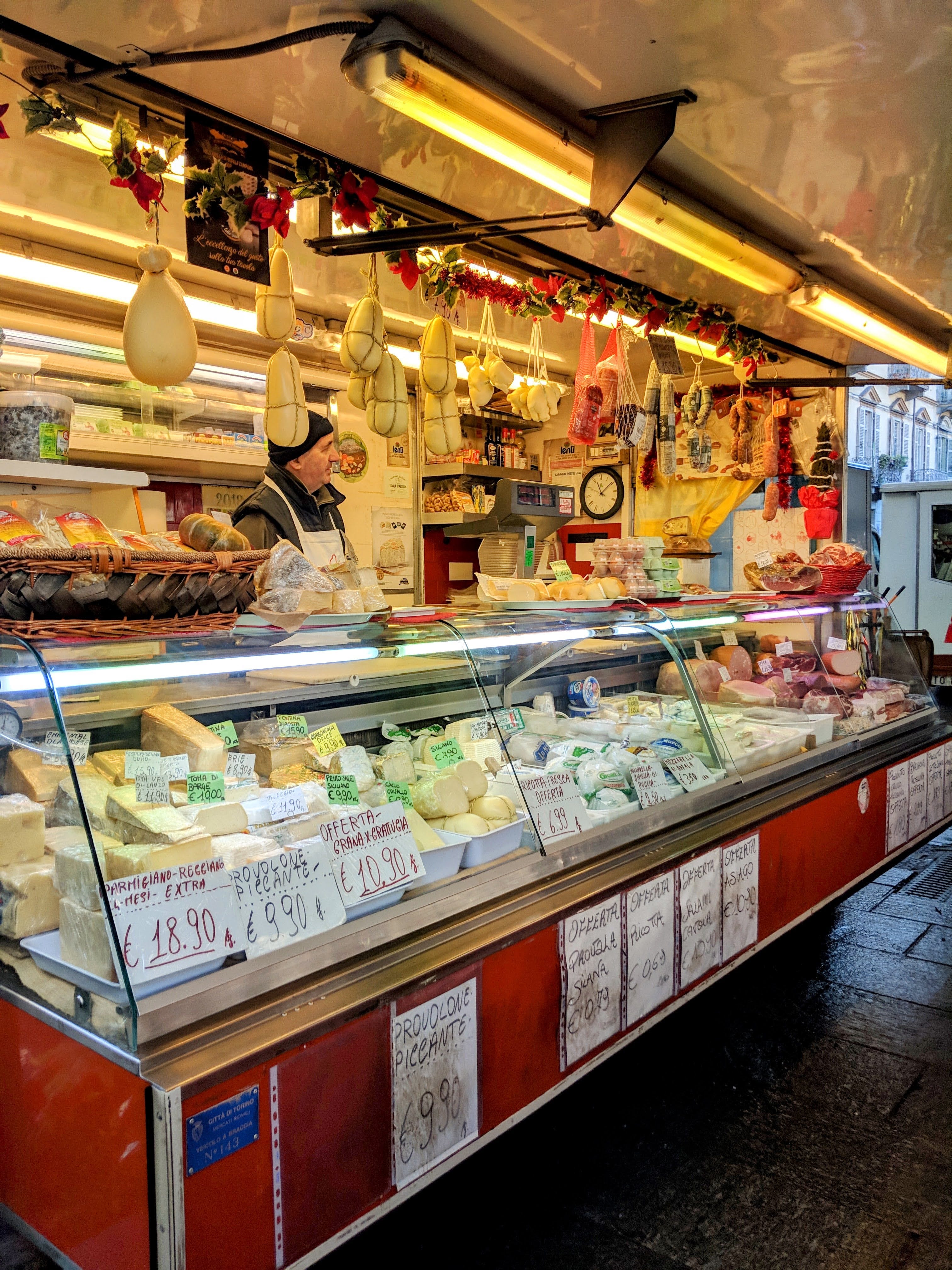
Ciao, I’m Monica from Su Misura Italy, and this is You’ve Got Mail in Italian. This week I’m taking you to one of my favourite places in Italy — the market. The letter is written in Italian, as always, with the English translation at the end. I also read the whole letter out loud, so if you’d rather listen, just press play. Put it on while you’re cooking, or walking, or doing something with your hands. In the sections below you’ll find vocabulary from the market, useful phrases to use when you’re there, the most beautiful food markets in Italy, and what to eat if you’re travelling. And if you’d like to practise any of this with a real person, come join us. Our teachers do one-on-one lessons built around your life, your level, your pace. Or come to The Italian Table, our weekly conversation class in small groups If you enjoy this newsletter, you can subscribe anytime, share it with a friend, and if you’d like to support my work, you can join with an annual paid subscription. Caro amico/a, Che ne dici se oggi andiamo a fare la spesa (to do the shopping) al mercato assieme? È una cosa che mi piace tantissimo fare. Il mercato vero, quello che senti (you hear/smell/feel, in Italian sentire covers all the senses) ancora prima di vederlo. L’odore arriva per primo. E il primo odore è il pollo allo spiedo (rotisserie chicken). Gira (rotates) dalle sette di mattina, lentamente, e il profumo si espande (spreads) per tutto il mercato come se fosse lui il proprietario del posto. Poi arriva quello della frutta matura, del pane, del pesce e dei fiori. È un odore stratificato (layered), sovrapposto, impossibile da descrivere a chi non lo conosce. Ma chi lo conosce sa esattamente di cosa sto parlando. Poi arrivano le voci. «Assaggiate signore, assaggiate!» Il venditore non sta chiedendo, sta proclamando (proclaiming / declaring). Un invito che non ammette rifiuto. Perché al mercato italiano non si compra senza aver prima assaggiato (tasted), annusato (smelled), toccato, chiesto. Se dici no senza neanche guardare, lui non te lo dice, ma si offende (takes offence). Perché ha scelto quella fetta per te. Perché vuole che tu capisca che il suo melone è il più dolce. E intanto le voci si sovrappongono (overlap). I venditori che discutono tra loro, commentano il tempo, fa sempre o troppo caldo o troppo freddo. Una signora che contratta (negotiates / haggles) il prezzo delle fragole per fare la marmellata (jam) con la stessa serietà con cui si firma un contratto: «se ne prendo una cassetta (crate) me la fa a 10 euro?» (al mercato, a meno che non si è clienti abituali (regulars), si dà del Lei). Il signore con la borsa su ruote (wheeled shopping bag / trolley), l’accessorio più necessario del mondo se si vive a più di un isolato (city block) dal mercato, soprattutto in estate se si vogliono comprare meloni e angurie (watermelons). Poi inizi a camminare tra i banchi (stalls). Il fruttivendolo (fruit and vegetable seller, frutto + vendere) che prende un pomodoro, lo gira tra le mani, lo annusa, lo rimette giù e ne prende un altro. Con la stessa attenzione con cui un orologiaio guarda un meccanismo. Il banco dei fiori, rose, girasoli, mazzi già pronti o da costruire insieme. Il banco dei formaggi, forme intere, ricotte fresche, pecorini stagionati, il venditore che taglia al momento e ti fa annusare, o addirittura te ne dà una scaglia (thin slice) per farti scegliere la giusta stagionatura (how long it has been aged). Il banco dei salumi (cured meats, the whole category: prosciutto, salame, mortadella…). Prosciutti appesi, mortadella enorme affettata (sliced) sottile come carta, salame di mille tipi diversi, ogni regione ha il suo. Poi quello delle cose sott’olio (preserved in oil), melanzane, peperoni, carciofi, funghi, pomodori secchi, vasetti e ciotole e profumo di aglio e origano che ti fa venire fame (makes you hungry). E le olive. Dio, le olive. Nere piccole di Taggia. Verdi grandi di Cerignola. Schiacciate (crushed) all’olio. Marinate (marinated) alle erbe. Con il peperoncino (chilli). Con il limone. In salamoia (brine). Decine di ciotole, una accanto all’altra. E poi, in un angolo, quasi nascosto, c’è lui. L’arrotino (knife and scissors sharpener, a traditional travelling craftsman). Un tavolo piccolo, una mola (grinding wheel), coltelli e forbici, qualche chiave in un vassoio. Non vende niente di commestibile (edible). Non grida (screams) come gli altri. Eppure è parte integrante del mercato. Uno dei mercati che mi è rimasto nel cuore è quello di Piazza Madama Cristina, a Torino. Madam , che in piemontese vuol dire signora. Ci andavo praticamente ogni giorno, quando andavo all’universita’. Compravo quello che mi serviva per pranzo, niente di programmato, niente di deciso in anticipo. Vedevo cosa c’era e creavo un menu veloce. E poi c’era la mia bancarella preferita, quella del formaggio. Ogni volta che mi avvicinavo chiedevo la stessa cosa: «Avete fatto il seirass fresco?» Una delle cose piu’ buone al mondo. Il mercato italiano non vende soltanto cibo. Vende una relazione (relationship / connection). Vende la storia di quel pomodoro, di quella ricotta, di quelle olive, dove sono cresciute, chi le ha raccolte (harvested / picked), in quale stagione. Il mercato italiano non è più solo italiano, e questa è forse la cosa più bella di tutte. Ci sono famiglie che hanno la bancarella da tre generazioni, e poi ci sono giovani arrivati dall’Egitto, dal Marocco, dal Bangladesh, che hanno preso un banco e ci hanno costruito una vita. Molti di loro hanno addirittura (even) imparato il dialetto perché al mercato è la lingua della fiducia (trust). Sentire qualcuno che non è cresciuto in Piemonte salutarti con un «coma va, madama?» (how are you, madam? in Piemontese) è una di quelle cose che ti fanno sorridere, sempre! Io abito a Dromana, sulla Penisola di Mornington, e sono fortunata, compro direttamente dalle fattorie (farms) della zona. I pomodori sanno di pomodoro. Ma la varietà non c’è. E quando lo dico alla mia amica Marzia, siciliana, trasferita (who moved) anche lei in Australia, lei annuisce senza che io debba finire la frase. Lo sa già. Lo sappiamo tutte e due. Il mercato ci manca. Come ogni settimana trovi in questa lettera qualcosa che penso possa aiutarti ad ampliare il tuo vocabolario e ad imparare qualcosa in più sulla cultura italiana a tema Mercato. Se sei già uno/a dei nostri studenti, possiamo parlarne insieme durante la prossima lezione, oppure ti invito come sempre alle nostre chiacchierate The Italian Table che ogni settimana usa questi temi per conversazioni in piccoli gruppi. Ti mando un abbraccio. Monica IL SEIRASS, LA RICOTTA CHE SA DI PIEMONTE My absolutely favourite cheese Il seirass è una ricotta tipica del Piemonte. Il nome viene dal piemontese siero (whey) perché tradizionalmente si faceva con il siero rimasto dalla lavorazione del formaggio. È bianchissimo, morbidissimo, con una pasta così fine che si scioglie in bocca. Il sapore è dolce, delicato, con un profumo di latte fresco che non somiglia a nessun’altra ricotta. La forma tradizionale è quella di un cono, si mette in un sacchetto di garza o lino cucito a forma conica, e lì prende la sua forma. Lo trovi avvolto nella carta al mercato come si avvolgono le cose preziose. Come si mangia? Con un filo di miele, con la marmellata, sul pane con un po’ di sale. O semplicemente così, con un cucchiaino. Una versione particolare, il Sarass del Fen, è Presidio Slow Food. FRASI UTILI AL MERCATO What to say and how to say it Al mercato italiano si parla. Molto. Ecco le frasi che ti servono davvero. Per chiedere e scegliere * È fresco di oggi? Is it fresh today? * Di dov’è? Where is it from? * È di stagione? Is it in season? * Posso assaggiare? Can I taste it? * Me ne dà un etto? Can I have 100 grams? * Me ne dà mezzo chilo? Half a kilo please * Me lo pulisce? Can you clean it for me? (pesce) Per contrattare * Quanto costa? How much is it? * Se ne prendo due, me li fa a…? If I take two, can you do them for…? * È il prezzo migliore? Is that your best price? Per salutarsi da cliente abituale * È buonissimo, come sempre. Delicious, as always. * Buona giornata. Have a good day. Parole “di peso” da sapere * un etto 100 grams * mezzo chilo 500 grams * un chilo 1 kilogram * una (o mezza) dozzina a (or half) dozen * una manciata a handful GLI ORARI DEL MERCATO Everything the guidebook doesn't tell you Il mercato italiano è una cosa del mattino. Arriva tardi e trovi gli avanzi, il pesce è già finito, la frutta migliore anche. Gli orari 7:00 / 7:30 Apertura — i banchi aprono 8:00 / 10:00 Il momento migliore — massima freschezza e scelta 13:00 / 14:30 Chiusura — varia per città Domenica Chiuso per la maggior parte COSA MANGIARE AL MERCATO No reservation needed — the most affordable meal when you travel Il mercato è uno dei posti migliori per mangiare in Italia. Economico, autentico, senza prenotazione. Ordini, ti danno il sacchetto o il piattino di carta, e mangi in piedi o seduta su un muretto. Ecco i cibi da strada più buoni da cercare. Non si trovano tutti ovunque, dipende dalla regione e dalla stagione. * Pizza al taglio Al peso, da mangiare camminando. Un po’ in tutta Italia. * Fritto misto Baccalà, fiori di zucca, crocchette. Roma e dintorni. * Pollo arrosto con patate Dal banco della rosticceria. Gira dalle 7 di mattina. * Prosciutto e melone Fresco, semplice, perfetto d’estate. * Pane, pomodoro e mozzarella Il panino più italiano che esista. * Supplì Palla di riso fritta con mozzarella filante. Roma. * Porchetta in un panino Maiale arrosto, erbe aromatiche, pane croccante. Lazio e Umbria. * Pane e panelle Frittelle di ceci in un panino morbido. Palermo. * Arancina / arancino Il nome cambia da città a città. * Sfincione Pizza siciliana alta con pomodoro, cipolla, acciughe e caciocavallo. Ne conosci già qualcuno? Quale ordineresti?Dimmelo nei commenti qui sotto o parliamone insieme al prossimo The Italian Table our very special Italian conversation group class for intermediate and advanced level. I MERCATI PIÙ PARTICOLARI D'ITALIA (solo cibo) Food market you need to put in your next travel itinerary * Mercato di Rialto, Venezia: pesce adriatico e verdure delle isole lagunari. Si arriva in barca. Più di 1000 anni di storia. * Ballarò, Palermo: il più antico e rumoroso. * Porta Palazzo, Torino: uno dei più grandi d’Europa. Multiculturale. La Tettoia dell’Orologio. Pesce, carne, prodotti piemontesi e cucine del mondo. * Mercato di Testaccio, Roma: il più verace di Roma. Vista sulle rovine romane. * Campo de’ Fiori, Roma: dal 1869 uno dei piu’ visitati al mondo. * Mercato di Mezzo, Bologna: nel cuore medievale della città. * Pescheria di Catania: sotto l’Etna. ENG translation Dear friend, How about we go grocery shopping at the market together today? It’s something I absolutely love doing. The real market, the kind you can sense before you even see it. The smell arrives first. And the first smell is rotisserie chicken. It has been turning slowly since seven in the morning, and the aroma spreads throughout the whole market as if it were the owner of the place. Then comes the smell of ripe fruit, bread, fish and flowers. It’s a layered smell, one on top of another, impossible to describe to someone who doesn’t know it. But if you know it, you know exactly what I’m talking about. Then the voices arrive. “Come and taste, ladies, come and taste!” The vendor isn’t asking. He is proclaiming. An invitation that leaves no room for refusal. Because at an Italian market, you don’t buy something without first tasting, smelling, touching and asking about it. If you say no without even looking, he won’t tell you, but he takes offence. Because he chose that particular slice for you. Because he wants you to understand that his melon is the sweetest. And in the meantime, the voices overlap. The vendors chat and argue with one another, commenting on the weather — it’s always either too hot or too cold. A woman haggles over the price of the strawberries because she wants to make jam, with the same seriousness with which someone might sign a contract: “If I take a whole crate, will you do it for €10?” (At the market, unless you are a regular customer, you address the vendor formally, using Lei.) Then there’s the gentleman with his wheeled shopping bag, the most essential accessory in the world if you live more than a block away from the market — especially in summer, if you want to buy melons and watermelons. Then you start walking among the stalls. The fruit and vegetable seller picks up a tomato, turns it around in his hands, smells it, puts it back down and chooses another. With the same attention that a watchmaker gives to a mechanism. The flower stall: roses, sunflowers, bouquets already made or ones you can put together yourself. The cheese stall: whole wheels of cheese, fresh ricotta, aged pecorino, the vendor cutting it for you on the spot and letting you smell it — or even giving you a thin slice so you can choose the right ageing. Then there’s the cured meat stall. Prosciutto hanging from above, enormous mortadella, sliced as thin as paper, and salami of a thousand different kinds — every region has its own. Then the stall selling things preserved in oil: aubergines, peppers, artichokes, mushrooms, sun-dried tomatoes. Jars and bowls everywhere, with the smell of garlic and oregano that makes you hungry. And the olives. God, the olives. Tiny black ones from Taggia. Big green ones from Cerignola. Crushed and dressed in oil. Marinated with herbs. With chilli. With lemon. In brine. Dozens of bowls, one next to another. And then, in a corner, almost hidden, there he is. The arrotino, the traditional knife and scissors sharpener. A small table, a grinding wheel, knives and scissors, a few keys in a tray. He doesn’t sell anything edible. He doesn’t shout like the others. And yet, he is an integral part of the market. One of the markets that has stayed in my heart is the one in Piazza Madama Cristina, in Turin. Madama means “lady” in Piedmontese. I used to go there practically every day when I was at university. I would buy whatever I needed for lunch — nothing planned, nothing decided in advance. I would see what was available and create a quick menu. And then there was my favourite little cheese stall. Every time I approached, I would ask the same thing: “Have you made fresh seirass?” One of the most delicious things in the world. The Italian market doesn’t just sell food. It sells a relationship. It sells the story of that tomato, that ricotta, those olives — where they grew, who picked them, and in which season. The Italian market isn’t only Italian anymore, and perhaps that is the most beautiful thing of all. There are families who have had their stall for three generations, and then there are young people who have arrived from Egypt, Morocco and Bangladesh, who have taken over a stall and built a life around it. Many of them have even learned the local dialect because, at the market, it is the language of trust. Hearing someone who didn’t grow up in Piedmont greet you with a “Coma va, madama?” (“How are you, madam?” in Piedmontese) is one of those things that always makes you smile! I live in Dromana, on the Mornington Peninsula, and I’m lucky enough to buy directly from the farms in the area. The tomatoes taste like tomatoes. But the variety isn’t there. And when I say this to my friend Marzia, who is Sicilian and who also moved to Australia, she nods before I even have to finish my sentence. She already knows. We both know. We miss the market. As always, you’ll find something in this letter that I hope will help you expand your vocabulary and learn a little more about Italian culture — this week’s theme is the market. If you’re already one of our students, we can talk about it together during our next lesson. Or, as always, I invite you to join our The Italian Table conversations, where every week we use these themes as a starting point for conversations in small groups. Sending you a big hug, Monica Get full access to You've got mail ... in Italian ! at sumisuraitaly.substack.com/subscribe
Embed this episode
Ready to play
ASSAGGIATE SIGNORE ASSAGGIATE
No transcript for this episode yet
Similar Episodes
No similar episodes found.
Similar Podcasts
No similar podcasts found.