
EPISODE · Jan 9, 2025 · 49 MIN
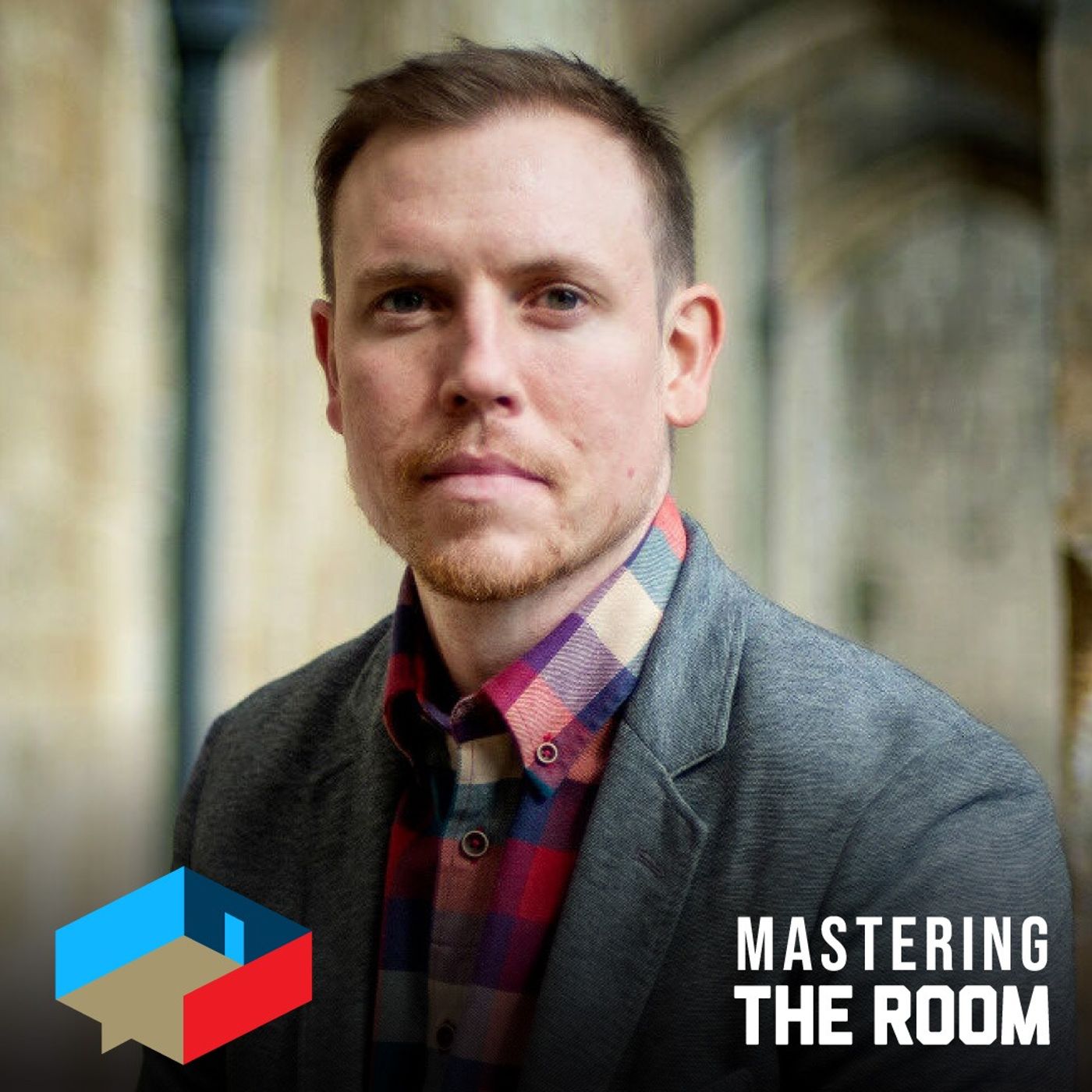
Author Brian Klaas Talks Chaos Theory
from Mastering the Room · host Brian Klaas, Casey Burgat
Chaos theory applied to social systems reveals the profound impacts of small events.Every decision, no matter how small, can influence larger outcomes.The past is not always a reliable predictor of the future.Uncertainty can be both a source of joy and fear in life.Political leaders often face impossible questions with no clear answers.Recognizing the limits of control can lead to better decision-making.The interconnectedness of life means every moment matters.False confidence in predictions can lead to disappointment.Understanding chaos can empower individuals to see their influence.Embracing uncertainty is crucial for personal and societal growth. Honesty in politics is crucial but often lacking.Voters need to accept complex solutions over quick fixes.Storytelling is a powerful tool in political communication.Conspiracy theories thrive on our pattern recognition instincts.Low-probability events can have catastrophic consequences.Every decision we make can impact others in unforeseen ways.Wealth does not equate to intelligence or capability.Populism is fueled by unmet promises and disillusionment.Understanding the interconnectedness of our actions is vital.How we treat people matters in the grand scheme of life.Chapters00:00Introduction to Chaos and Complexity05:49The Ripple Effects of Small Decisions11:50The Vulnerability of Seeking False Confidence17:57The Catch-22 of Political Leadership and Uncertainty24:28The Challenge of Honest Politics31:01The Risks of Low-Probability Events37:24The Misconceptions of Wealth and Intelligence44:17Reflections on Life and Choices ABOUT MASTERING THE ROOMMastering the Room is produced by the George Washington University's Graduate School of Political Management and hosted by political analyst and professor Casey Burgat. In less time than the average D.C. morning commute, you'll get an inside take on today’s issues with information and perspectives you won’t get anywhere else.MTR challenges guests to go beyond the Sunday show talking points and offer a deeper understanding of polarizing topics, discussing ideas that few have heard before.Whether you agree with them or not, you’ll see unique arguments from surprising new angles. Packed with influencers, experts, and familiar names in DC and beyond, Mastering the Room is a podcast with access, connections, and proximity to power. To listen to vintage episodes from the original Mastering the Room podcast, click here. ABOUT CASEY BURGATMastering the Room host, Casey Burgat, is the Director of the Legislative Affairs program at the George Washington University Graduate School of Political Management. Before joining GSPM, Dr. Burgat was a Senior Governance Fellow at the R Street Institute where his research focused on issues of Congressional capacity and reform. Mr. Burgat is known for his regular contributions to scholarly and journalistic publications, including CNN, the Washington Post, and Politico, and has appeared on various television and radio outlets. Dr. Burgat is the author of the 2025 Amazon best-seller We Hold These "Truths," exploring society's myths and misconceptions about how government works (published by Authors Equity). He's also co-authored Congress Explained: Representation and Lawmaking in the First Branch, a textbook on all things Congress, published by Sage/CQ Press in the fall of 2022.
Embed this episode
What this episode covers
In this conversation, Casey and Brian Klaas explore the complexities of chaos theory and its implications for understanding social systems and decision-making. Brian discusses his book 'Fluke', which examines how small, seemingly insignificant events can have profound impacts on larger outcomes. They delve into the nature of uncertainty, the limitations of probability in predicting future events, and the challenges faced by political leaders in navigating a chaotic world. The discussion emphasizes the interconnectedness of actions and decisions, highlighting the importance of recognizing the ripple effects of our choices. In this conversation, Brian Klaas discusses the complexities of modern politics, emphasizing the challenges of honest communication in a disinformation-heavy environment. He explores the cyclical nature of populism and disillusionment among voters, the importance of storytelling in political discourse, and the psychological underpinnings of conspiracy theories. Klaas also highlights the risks associated with low-probability events and the interconnectedness of individual decisions in shaping societal outcomes. He critiques the false equivalence of wealth and intelligence, using examples from contemporary figures to illustrate his points, and concludes with reflections on the significance of how we treat others in our daily interactions.
Ready to play
Author Brian Klaas Talks Chaos Theory
No transcript for this episode yet
Similar Episodes
No similar episodes found.
Similar Podcasts
No similar podcasts found.