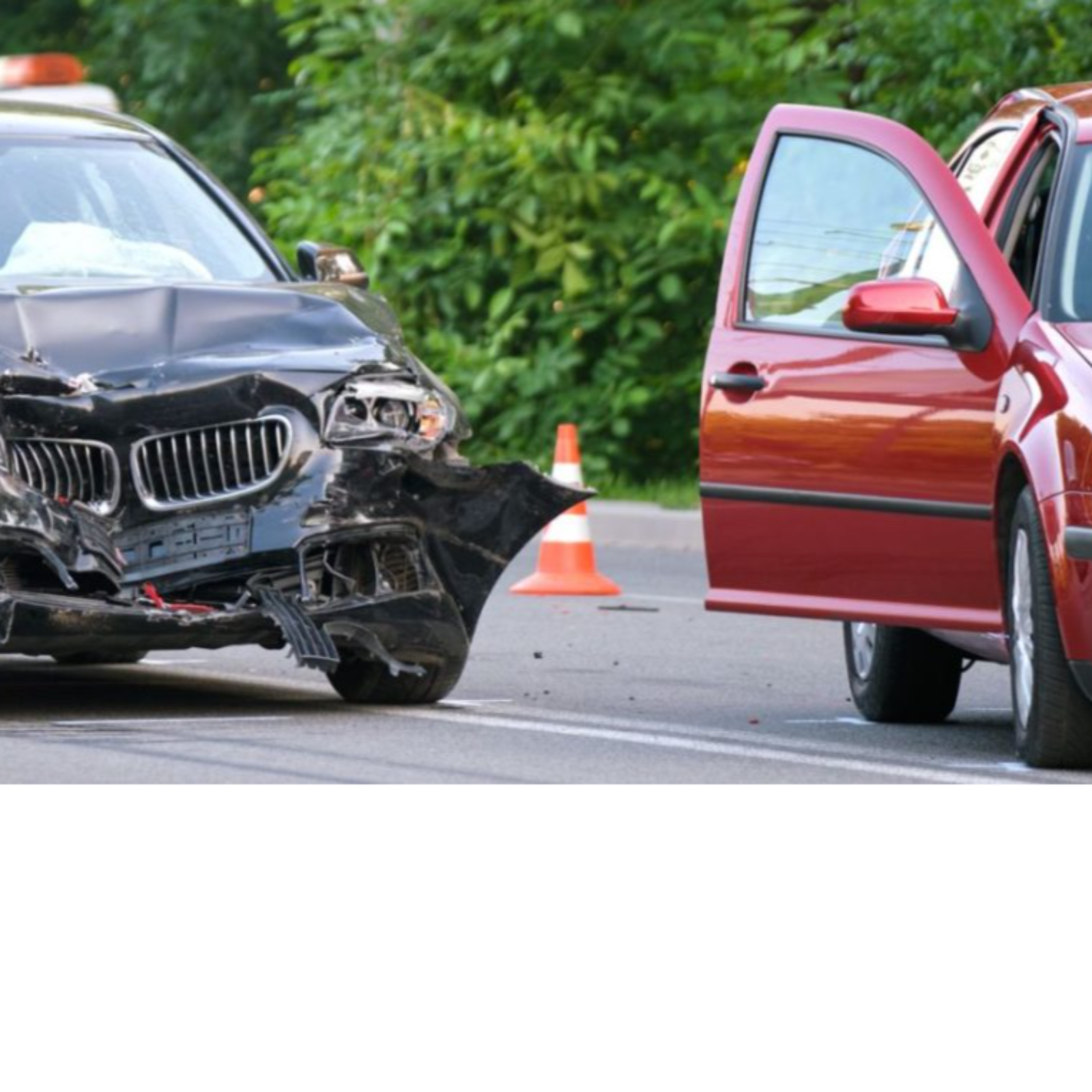
Auto Accident Injuries=Mo Money?
This content provides a clear overview of legal doctrines used to determine fault and compensation in auto accidents. It explains: Learning Objectives (with Examples) By the end of this lesson, learners will be able to: Define and distinguish between negligence per se, comparative negligence, and contributory negligence. Example: Learners will explain how running a red light qualifies as negligence per se. Analyze fault and compensation using real-world scenarios. Example: Learners will calculate damages when a driver is 40% at fault in a two-car collision. Identify jurisdictional differences in negligence rules. Example: Learners will compare Minnesota’s modified comparative rule to Virginia’s contributory rule. ✅ Learning Outcomes (with Examples) Learners will demonstrate: Accurate definitions of each doctrine. Example: “Negligence per se occurs when a driver violates a traffic law and causes harm.” Application of fault percentages to determine compensation. Example: “If a driver is 25% at fault and suffers $10,000 in damages, they can recover $7,500.” Jurisdictional awareness of legal doctrines. Example: “In Maryland, a pedestrian who jaywalks and is hit by a speeding car may receive no compensation due to contributory negligence.” 📝 Assessment Activities Quick Quiz: Match each doctrine to its definition. Scenario Analysis: Learners evaluate fault and compensation in sample cases (e.g., a texting driver hitting a cyclist). Discussion Prompt: “Should contributory negligence still be legal? Why or why not?” 🧪 Teaching Examples Negligence Per Se: A driver runs a stop sign and hits a pedestrian. This is negligence per se because the driver violated a traffic law. Comparative Negligence: A speeding driver hits another who failed to signal. Under comparative negligence, fault is shared—if Driver A is 60% at fault and Driver B is 40%, Driver B can recover 60% of their damages. Contributory Negligence: A jaywalking pedestrian is hit by a distracted driver. In contributory negligence states, the pedestrian may be barred from recovering damages—even if the driver was mostly at fault. Comments: [email protected] or call 773-809-8594
Embed this episode
No transcript yet.