
EPISODE · Oct 11, 2018
Auto Correct: Gasoline
from Auto Correct
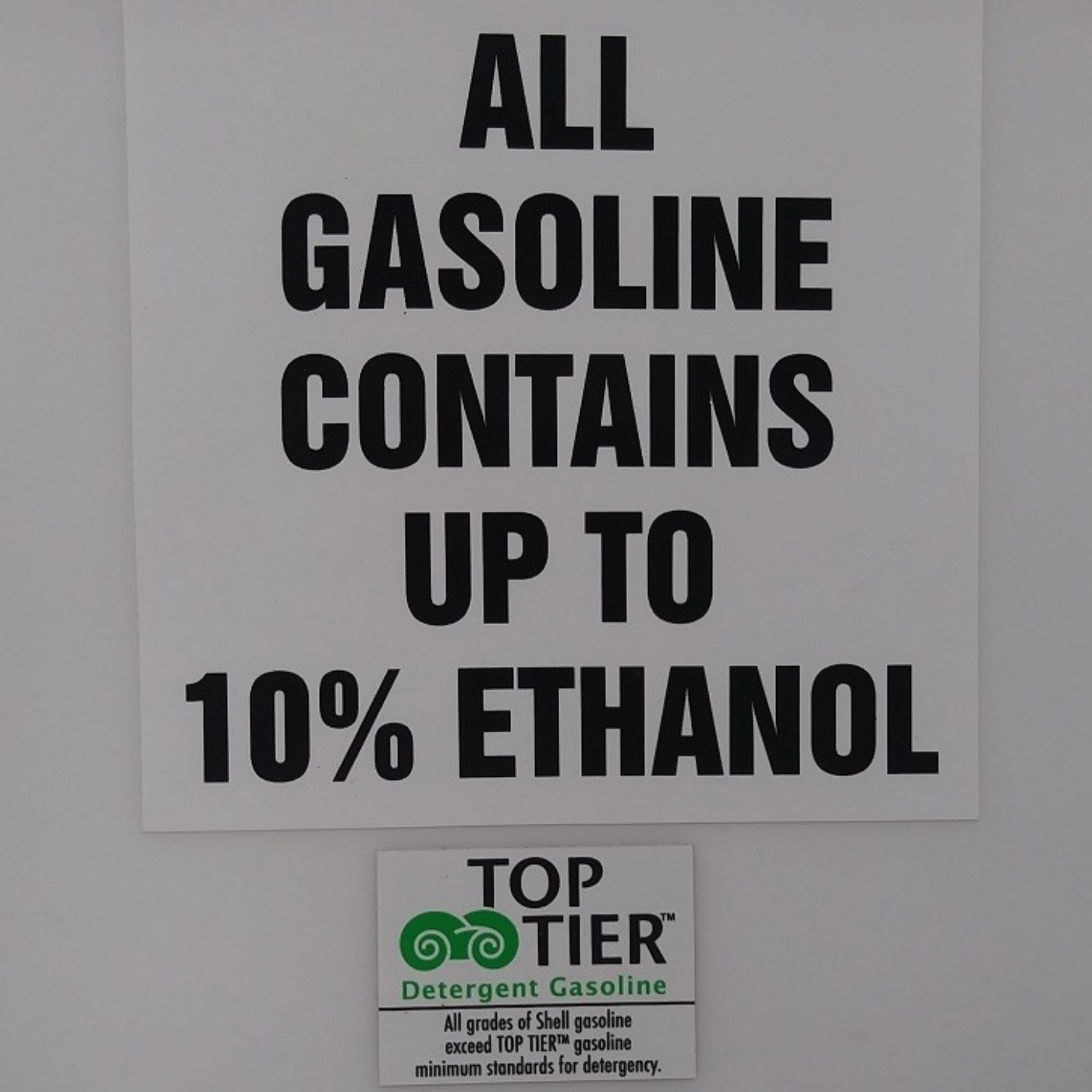
What's the difference between E10, E15, and E85 gas? From the U.S. Energy Information Administration https://www.eia.gov/tools/faqs/faq.php?id=27&t=10 and Popular Mechanic https://www.popularmechanics.com/cars/car-technology/a25135/guide-to-fuel/ All gasoline engine vehicles can use E10. Currently, only flex-fuel and light-duty vehicles with a model year of 2001 or newer are approved by the EPA to use E15. Flex-fuel vehicles can use any ethanol-gasoline blends up to E85. Pros • Ethanol helps the fuel meet federal air-pollution regulations. It reduces tailpipe emissions of carbon monoxide, hydrocarbons, benzene, and fine particulates. • Ethanol contributes to fulfilling the national energy independence goals presented in the 2005 Energy Policy Act and extended under the Energy Independence and Security Act of 2007. • Ethanol is a powerful octane booster—a fuel additive that prevents the fuel charge from preigniting in the cylinder, which leads to engine knocking and poor performance. Cons • With 33 percent less energy content than gasoline, ethanol actually lowers your gas mileage. • Ethanol is known to ruin small engines, especially two-stroke, because of its tendency to separate from the gasoline. • By growing corn for ethanol, farmers reduce the land being used to grow corn for food, raising the consumer price of corn. • Ethanol is highly corrosive, forcing auto manufacturers to use more expensive stainless-steel components. When should you use premium vs. regular gas? From the U.S. Department of Energy https://www.fueleconomy.gov/feg/octane.shtml If your car manufacturer requests higher octane gasoline - use it! Is your car under recall? https://www.nhtsa.gov/recalls Hosted on Acast. See acast.com/privacy for more information.
Embed this episode
Ready to play
Auto Correct: Gasoline
No transcript for this episode yet
Similar Episodes
No similar episodes found.
Similar Podcasts
No similar podcasts found.