
EPISODE · Jul 26, 2019 · 10 MIN
Avoiding Silent Warm Spots - How to Develop a Biorepository Temperature Monitoring & Mapping System
from CAPcast from the College of American Pathologists · host College of American Pathologists
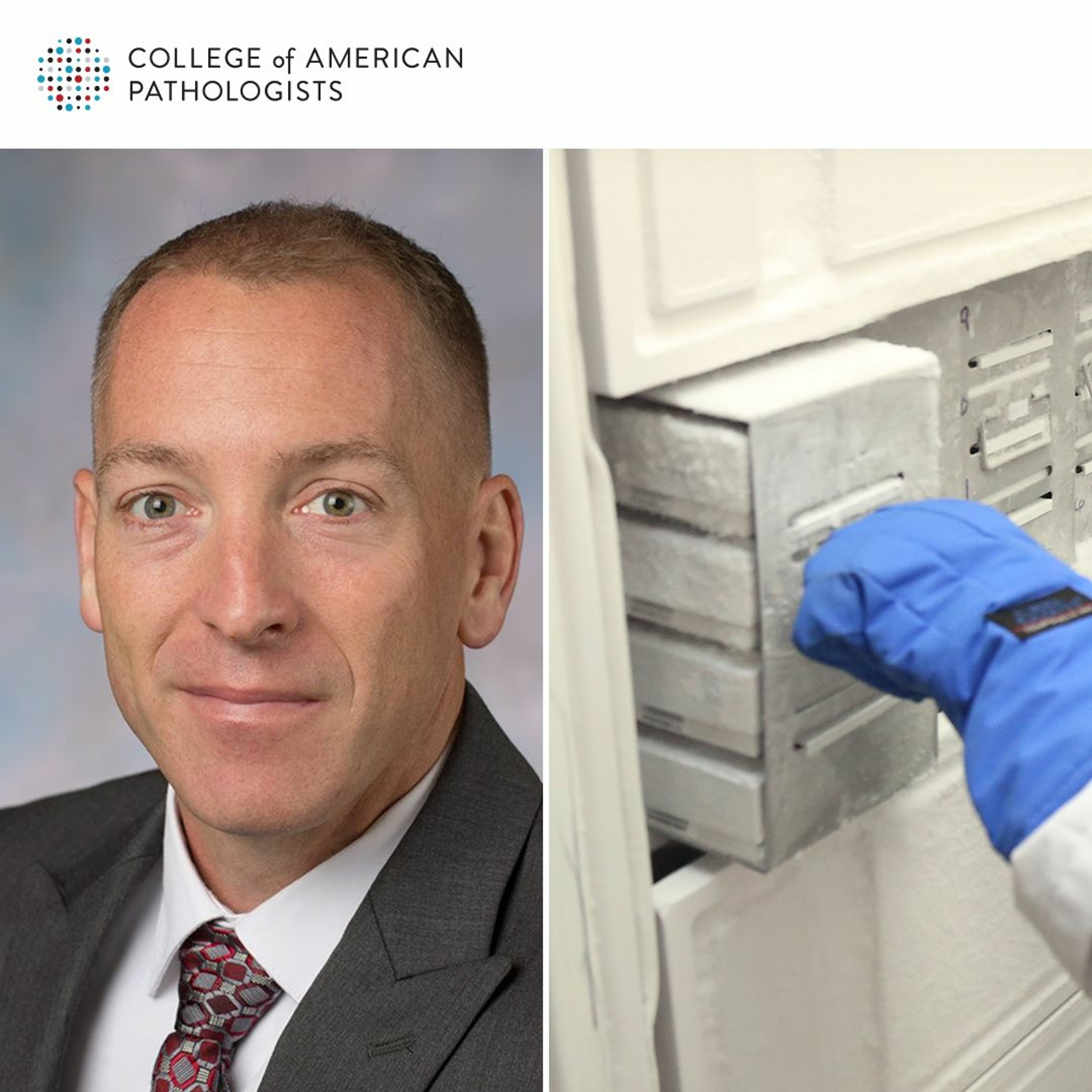
Biorepositories are responsible for maintaining specimen integrity over long periods of time. Ensuring that specimens are stored at temperatures appropriate for their intended use is a critical component to ensuring their quality. While storage units are typically equipped with primary and secondary temperature monitoring probes, these probes often only provide a temperature sampling of one small region within the storage unit. However, variables within the storage unit that impact airflow or the effectiveness of insulation can adversely affect the uniformity of temperature, creating ‘silent’ warm spots that can compromise specimens within. In this CAPcast, Dr. Erik Zmuda, will share his experience from serving as a Technical Director in the Biospecimen Core Resource at Nationwide Children’s Hospital in Columbus, Ohio, by discussing why it’s important for laboratories to develop a method for evaluating temperature uniformity within biorepository storage units and how pathologists and laboratorians can confront the complex task of assembling the tools and methods for running a freezer mapping program on their own. More information on biorepositories, including the CAP's Biorepository Accreditation Program (BAP), is available on CAP.org: https://capatholo.gy/2LveVSV.
Embed this episode
Ready to play
Avoiding Silent Warm Spots - How to Develop a Biorepository Temperature Monitoring & Mapping System
No transcript for this episode yet
Similar Episodes
No similar episodes found.
Similar Podcasts
No similar podcasts found.