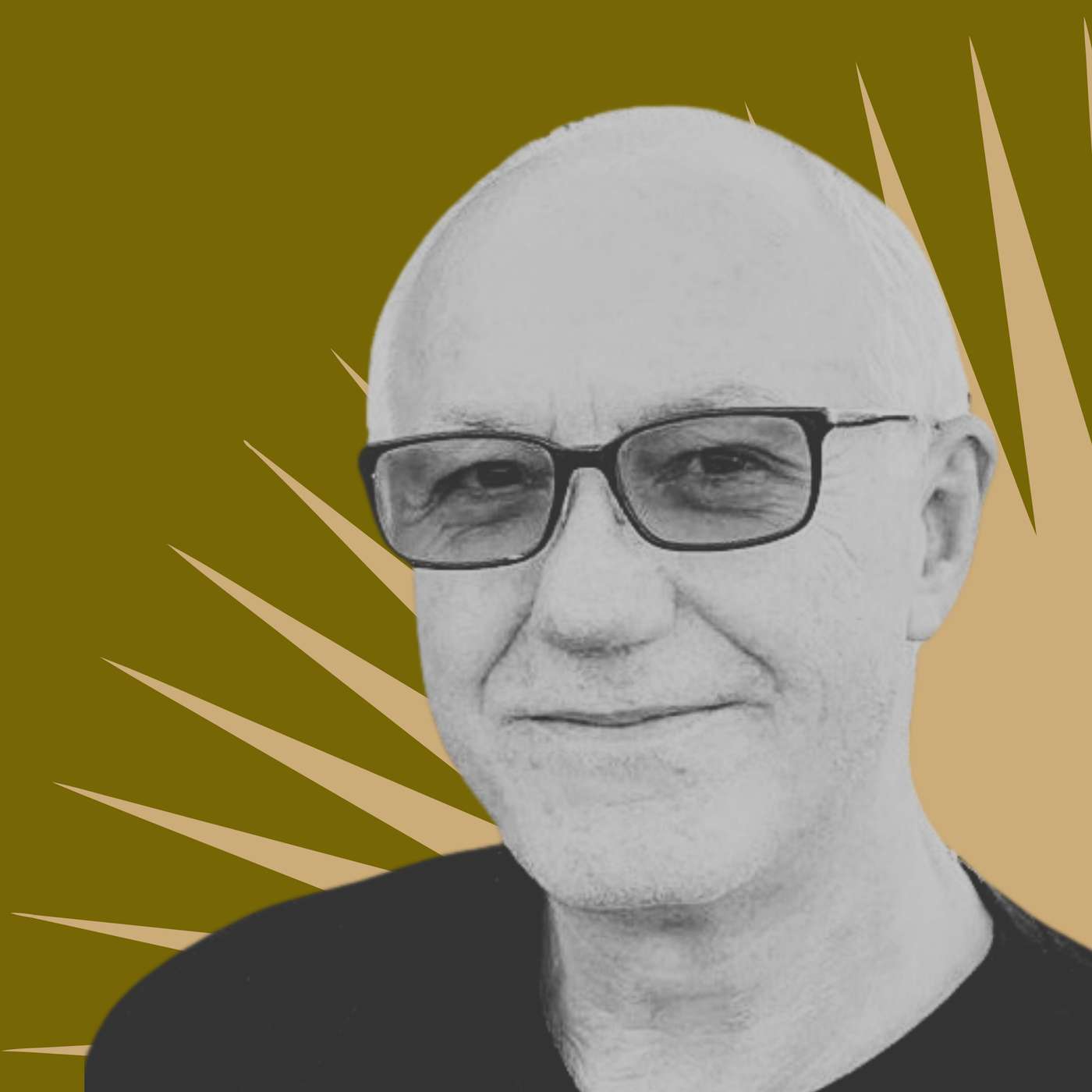
Bad Entrepreneurs and Even Worse Artists: Does Capitalism Have a Future in the AI Age? episode artwork

EPISODE · May 20, 2026 · 43 MIN

Bad Entrepreneurs and Even Worse Artists: Does Capitalism Have a Future in the AI Age?

from Keen On America · host Andrew Keen

“The end of labor means the end of paid slavery. And the opening up of freedom — that is to say, choice of how to spend your time. The only question, a big question, is how do you eat?” — Keith Teare Does capitalism have a future in our AI age? For Musk, Silicon Valley’s baddest bad entrepreneur, the answer might surprise. Musk seems to think that in the long run, money and wealth will disappear in an age of abundant intelligence. Which, presumably, will include hundreds of billions of his own dollars. Although given Musk’s determination to sue and take money from OpenAI, some might be slightly sceptical of his real faith in a post-money cornucopia. It’s not just Musk and That Was the Week publisher Keith Teare who are reimagining capitalism in our AI age. The former World Bank chief economist, Branko Milanovic, drawing on Karl Marx and Adam Smith in equal measure, argues that if AI eliminates the labor component of production, things will become free — thereby creating the conditions for the destruction of capitalism. Keith agrees — and goes further than Milanovic. The end of paid labor, he insists, borrowing also from Marx, is not a catastrophe. It’s the end of what he calls “paid slavery” and the opening of genuine freedom. I’m not so sure. If nobody has to work, we’ll all become bad artists. The cult of the amateur. The future is of bad entrepreneurs like Elon Musk and even worse artists. Hyper-capitalism in our age of AI. Five Takeaways •       The Musk-OpenAI Trial: A Big Yawn That Cost Millions: An Oakland jury rejected Elon Musk’s claim against OpenAI in under two hours — not because OpenAI didn’t do what Musk alleged, but because the statute of limitations had expired. Someone should have caught this before two weeks of trial. Musk has vowed to appeal, but it’s hard to see how you get around a statute of limitations. Keith’s verdict: sideshow, big yawn, ego contest. The lawyers won. The real question — who owns OpenAI after it converts to for-profit — was never going to be answered here. •       Sam Altman’s Credibility Problem: The New York Times took five takeaways from the trial, one of which was that Sam Altman has a credibility problem. Keith’s response: not new information. What the trial did reveal is the depth of mutual animosity between Musk and Altman — two people who, despite everything, share more beliefs about where AI is going than almost anyone else in the world. Keith on who he’d back in a Stalin vs Hitler choice: Stalin, 100 times out of 100. Which is not to say he’s enthusiastic about either. •       Krugman on Europe: Right Analysis, Wrong Conclusion: Paul Krugman, touring Europe, argues that GDP per capita understates European quality of life. A third of US income buys more than a third of US lifestyle in Europe — healthcare, education, travel, housing are all significantly cheaper. Keith agrees with the analysis. His counter: Europe’s structural hostility to innovation means it can maintain its lifestyle but not grow it. The social democratic model is sustainable until it isn’t. It needs to unlock innovation or it will slowly fall behind. Hard to do when you’re spending your time writing regulations. •       Milanovic’s AI Thesis: When Things Are Free: Branko Milanovic — Marxist and neoclassical economist — argues that if AI eliminates the labor component of production, value in the classical Adam Smith/Ricardo/Marx sense disappears, and things approach free. Keith agrees and goes further: this isn’t just Marxist logic, it’s classical economics. The organic composition of capital. If variable capital — mostly labor — tends toward zero, costs tend toward zero, prices tend toward zero, and the distinction between capitalism and its opposite dissolves. Musk says the same thing. Agree or disagree, it’s the most interesting economic argument of our time. •       The End of Paid Labor Is the End of Paid Slavery: Keith’s most provocative position. The end of paid labor is not something to fear. It is freedom — the opening up of genuine choice about how to spend your time. What remains are human-to-human activities: care work, travel companionship, live music, the masseur. These will be in demand. They just won’t constitute most of what 8 billion people do. The question of how the previously employed population participates in society — eats, lives, has purpose — is real and large. Keith’s position: it’s not an inconceivable problem. Andrew’s counter: if nobody has to work, we’ll all become bad artists. About the Guest Keith Teare is a British-American entrepreneur, investor, and publisher of the That Was the Week newsletter. He is a co-founder of TechCrunch and Andrew’s regular TWTW co-host. References: •       That Was the Week by Keith Teare. •       Branko Milanovic, “Artificial Intelligence and the Future of Capitalism from a Marxist and Neoclassical Point of View,” Substack. •       Paul Krugman, “Is Europe in Economic Decline?” The New York Times / Substack. •       Episode 2910: Keith Teare and Jonathan Rauch on AI — the preceding special edition, directly referenced. About Keen On America Nobody asks more awkward questions than the Anglo-American writer and filmmaker Andrew Keen. In Keen On America, Andrew brings his pointed Transatlantic wit to making sense of the United States — hosting daily interviews about the history and future of this now venerable Republic. With nearly 2,900 episodes since the show launched on TechCrunch in 2010, Keen On America is the most prolific intellectual interview show in the history of podcasting. WebsiteSubstackYouTubeApple PodcastsSpotify Chapters:  

“The end of labor means the end of paid slavery. And the opening up of freedom — that is to say, choice of how to spend your time. The only question, a big question, is how do you eat?” — Keith Teare Does capitalism have a future in our AI age? For Musk, Silicon Valley’s baddest bad entrepreneur, the answer might surprise. Musk seems to think that in the long run, money and wealth will disappear in an age of abundant intelligence. Which, presumably, will include hundreds of billions of his own dollars. Although given Musk’s determination to sue and take money from OpenAI, some might be slightly sceptical of his real faith in a post-money cornucopia. It’s not just Musk and That Was the Week publisher Keith Teare who are reimagining capitalism in our AI age. The former World Bank chief economist, Branko Milanovic, drawing on Karl Marx and Adam Smith in equal measure, argues that if AI eliminates the labor component of production, things will become free — thereby creating the conditions for the destruction of capitalism. Keith agrees — and goes further than Milanovic. The end of paid labor, he insists, borrowing also from Marx, is not a catastrophe. It’s the end of what he calls “paid slavery” and the opening of genuine freedom. I’m not so sure. If nobody has to work, we’ll all become bad artists. The cult of the amateur. The future is of bad entrepreneurs like Elon Musk and even worse artists. Hyper-capitalism in our age of AI. Five Takeaways •       The Musk-OpenAI Trial: A Big Yawn That Cost Millions: An Oakland jury rejected Elon Musk’s claim against OpenAI in under two hours — not because OpenAI didn’t do what Musk alleged, but because the statute of limitations had expired. Someone should have caught this before two weeks of trial. Musk has vowed to appeal, but it’s hard to see how you get around a statute of limitations. Keith’s verdict: sideshow, big yawn, ego contest. The lawyers won. The real question — who owns OpenAI after it converts to for-profit — was never going to be answered here. •       Sam Altman’s Credibility Problem: The New York Times took five takeaways from the trial, one of which was that Sam Altman has a credibility problem. Keith’s response: not new information. What the trial did reveal is the depth of mutual animosity between Musk and Altman — two people who, despite everything, share more beliefs about where AI is going than almost anyone else in the world. Keith on who he’d back in a Stalin vs Hitler choice: Stalin, 100 times out of 100. Which is not to say he’s enthusiastic about either. •       Krugman on Europe: Right Analysis, Wrong Conclusion: Paul Krugman, touring Europe, argues that GDP per capita understates European quality of life. A third of US income buys more than a third of US lifestyle in Europe — healthcare, education, travel, housing are all significantly cheaper. Keith agrees with the analysis. His counter: Europe’s structural hostility to innovation means it can maintain its lifestyle but not grow it. The social democratic model is sustainable until it isn’t. It needs to unlock innovation or it will slowly fall behind. Hard to do when you’re spending your time writing regulations. •       Milanovic’s AI Thesis: When Things Are Free: Branko Milanovic — Marxist and neoclassical economist — argues that if AI eliminates the labor component of production, value in the classical Adam Smith/Ricardo/Marx sense disappears, and things approach free. Keith agrees and goes further: this isn’t just Marxist logic, it’s classical economics. The organic composition of capital. If variable capital — mostly labor — tends toward zero, costs tend toward zero, prices tend toward zero, and the distinction between capitalism and its opposite dissolves. Musk says the same thing. Agree or disagree, it’s the most interesting economic argument of our time. •       The End of Paid Labor Is the End of Paid Slavery: Keith’s most provocative position. The end of paid labor is not something to fear. It is freedom — the opening up of genuine choice about how to spend your time. What remains are human-to-human activities: care work, travel companionship, live music, the masseur. These will be in demand. They just won’t constitute most of what 8 billion people do. The question of how the previously employed population participates in society — eats, lives, has purpose — is real and large. Keith’s position: it’s not an inconceivable problem. Andrew’s counter: if nobody has to work, we’ll all become bad artists. About the Guest Keith Teare is a British-American entrepreneur, investor, and publisher of the That Was the Week newsletter. He is a co-founder of TechCrunch and Andrew’s regular TWTW co-host. References: •       That Was the Week by Keith Teare. •       Branko Milanovic, “Artificial Intelligence and the Future of Capitalism from a Marxist and Neoclassical Point of View,” Substack. •       Paul Krugman, “Is Europe in Economic Decline?” The New York Times / Substack. •       Episode 2910: Keith Teare and Jonathan Rauch on AI — the preceding special edition, directly referenced. About Keen On America Nobody asks more awkward questions than the Anglo-American writer and filmmaker Andrew Keen. In Keen On America, Andrew brings his pointed Transatlantic wit to making sense of the United States — hosting daily interviews about the history and future of this now venerable Republic. With nearly 2,900 episodes since the show launched on TechCrunch in 2010, Keen On America is the most prolific intellectual interview show in the history of podcasting. WebsiteSubstackYouTubeApple PodcastsSpotify Chapters:

NOW PLAYING

Bad Entrepreneurs and Even Worse Artists: Does Capitalism Have a Future in the AI Age?

0:00 43:20

No transcript for this episode yet

We transcribe on demand. Request one and we'll notify you when it's ready — usually under 10 minutes.

The Small Business Startup School – Business Notes | Financial Literacy | Retail Psychology – For Professionals & Entrepreneurs The Small Business Startup School Inc. Starting or buying a small business? While personal circumstances may vary, business patterns remain timeless. On The Small Business Startup School, we explore strategies, insights, and practical solutions to help entrepreneurs confidently navigate their journey.Hosted by Ola Williams—a retail entrepreneur, fintech founder, and financial coach with over two decades of experience—this podcast marries financial awareness and retail psychology with optimism to deliver actionable takeaways.Join us to learn, grow, and connect as we uncover the keys to business success.Let’s continue to learn together and be encouraged to keep on connecting! PodQuesting Dwight J Randolph- WolfShield Media PodQuesting: -By WolfShield Media and Dwight J RandolphJoin us on an exciting journey to master the world of fiction podcasting! At PodQuesting, we document our quest to improve and innovate, sharing valuable insights, strategies, and behind-the-scenes tips along the way. Whether you're an experienced podcaster or just starting your first show, our podcast is your go-to resource for everything podcasting.Discover practical advice, creative techniques, and lessons from our own experiences as we explore the ever-evolving podcasting landscape. Ready to level up your skills and embark on this adventure with us? Tune in and join the quest!Have questions or feedback? Reach out to us at [email protected] and visit our website:WolfShield.Media LIGHTS, CAMERA, SMILE! Creatives Club Media Lights, Camera, Smile, is a podcast for anyone with a dream to share something with the world, out of the overflow of themselves - be it their mind, their heart, their personalities, and much more. Each of us are alive in this moment in time, with an innate ability to have ideas and create various things to benefit both ourselves and the people around us for a reason, and here, you will find the encouragement, the inspiration, and the motivation to do just that. Hosted by Cicily, founder of Creatives Club, she dives into various topics surrounding creativity and business. Exploring entrepreneurship for creatives in a corporate reality, sharing tips and tricks in a media centered company, answering questions regarding what a creative actually is are just a few of the things discussed on this podcast. Be encouraged to create for yourself as Cicily gets vulnerable by pivoting the camera to herself for the first time.To submit questions for Cicily to answer, or have her address certain t Kaizen Blueprint Aldo Chandra "Kaizen" is a Japanese term for continuous improvement. This podcast provides a blueprint to learn about health, wealth, relationships and everything else in between. Through our podcast, we strive to inspire, educate, and motivate our audience to cultivate a mindset of lifelong learning, productivity, and personal development. By sharing insights, strategies, and practical tips, we aim to guide listeners on their journey towards realizing their fullest potential, fostering success, and creating lasting positive change.

Frequently Asked Questions

How long is this episode of Keen On America?

This episode is 43 minutes long.

When was this Keen On America episode published?

This episode was published on May 20, 2026.

What is this episode about?

“The end of labor means the end of paid slavery. And the opening up of freedom — that is to say, choice of how to spend your time. The only question, a big question, is how do you eat?” — Keith Teare Does capitalism have a future in our AI age? For...

Can I download this Keen On America episode?

Yes, you can download this episode by clicking the download button on the episode player, or subscribe to the podcast in your preferred podcast app for automatic downloads.
URL copied to clipboard!