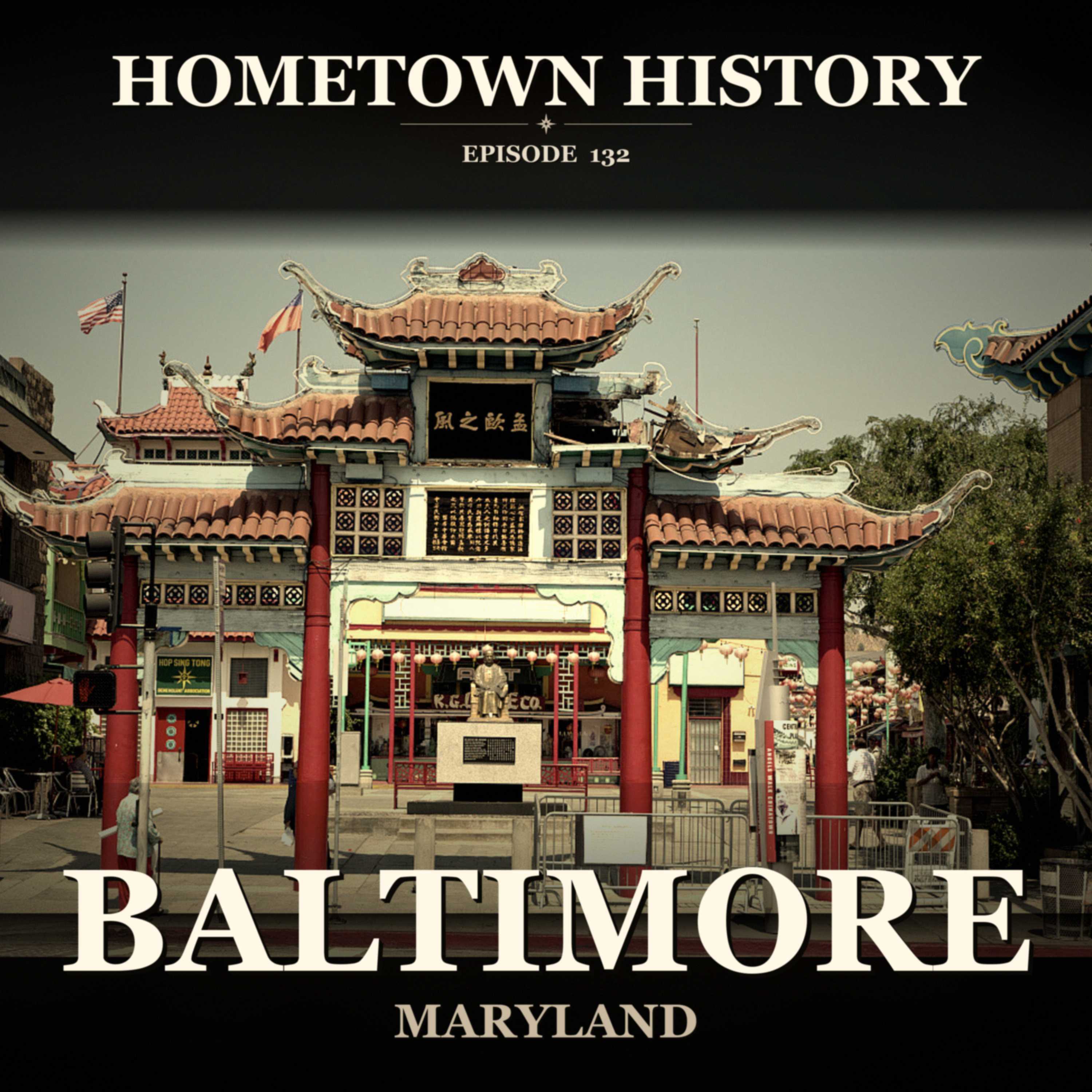
Baltimore's Underground Railroad Network
from Hometown History Hosted by Shane Waters
Baltimore, Maryland. Before we begin, a quick disclaimer. This episode discusses historical events involving people who were enslaved and contains terms that reflect the period's language, including the names of institutions. These terms are not used derogatorily, but are presented for historical accuracy and context. A time when freedom was a distant dream, when heavy chains clinked louder than prayers, and people labored under the scorching sun, yearning for a glimpse of light in their fate. TIMELINE 1526: The system began during the early years of European colonization, the Americas, dating back to 1526. 1776: From its beginning in 1776 until the year 1865, the practice of chattel slavery, which is the legal ownership of slaves, was rampant in the United States. 1793: Adding to the troubles, the Fugitive Slave Acts of 1793 and 1850 tightened the reins, allowing slave owners to track down escapees, even in free states. 1847: In 1847, responding to the call of friends in the anti-slavery movement, Coffin moved southward to Cincinnati, where he operated a warehouse exclusively selling free labor goods. WHY THIS MATTERS The story of Baltimore is a reminder that the events that shaped America didn't always happen in the biggest cities. What unfolded here left marks on the community that are still visible today. The full story is more complicated, and more human, than the version most people know. Episode 132 | Hometown History | Hosted by Shane Waters Hometown History explores forgotten stories from small-town America. The overlooked events, hidden triumphs, and buried tragedies that shaped the country we live in. New episodes every Tuesday. Find every episode at mythsandmalice.com/hometown-history
Embed this episode
No transcript yet.