
EPISODE · Jan 8, 2020 · 7 MIN
Bay Area Families Open Doors to Refugees As Crisis Escalates
from KALW News San Francisco, 91.7 · host KALW News San Francisco, 91.7
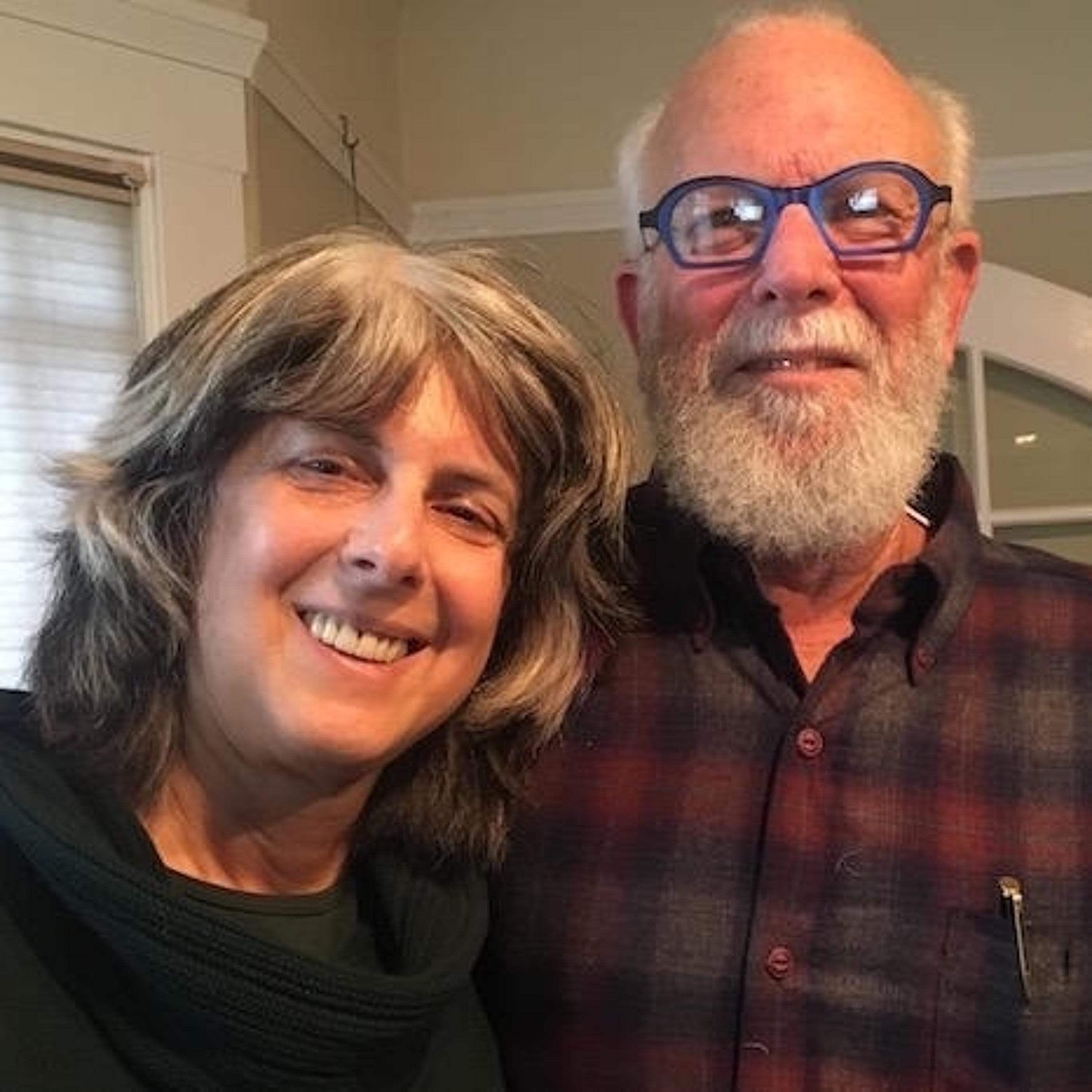
In 2019, the UN’s Refugee Agency reported that an unprecedented number of people had been forced to flee their home countries. Over 70 million people are currently displaced worldwide, and the global refugee population is expected to increase in 2020. When local governments fail to resettle refugees, individual citizens are opening their doors. In the Bay Area, dozens of volunteers have invited refugees and asylum seekers to live with them. Judy Salomon and her husband, Hillel, live in a brown stucco house in the Berkeley flats. For the past year, Michael and Charlie have been living with them too. “I call them pappa and mamma, even if they don't accept it,” Charlie says, laughing. He and Michael are drinking tea at the Salomons’ dining room table. They both asked KALW to use pseudonyms to protect their identities. The Ugandan refugee community is small, and they’re concerned their families back home could identify them. Living ‘Under Fear And Threat’ Charlie and Michael both identify as gay, and their home country, Uganda, has some of the strictest laws against homosexuality in the world. Government officials have linked gay people to an alleged terrorist group and accused them of recruiting schoolchildren. Homosexual acts can be punishable by life in prison. “We lived under fear and threat,” says Charlie. “[If] your son, your daughter is lesbian, or your son is gay? Get rid of him. Because the law will penalize you.” Charlie says he was evicted several times, because his landlords were afraid they would be penalized for sheltering him. “And if you couldn’t be arrested and you were caught, there was a lot of mob justice,” he says. “We lost several of our friends through that kind of death.” In October 2019, Ugandan ministers announced plans to re-introduce legislation in Parliament known colloquially as the “Kill the Gays” Bill. If passed, homosexual acts would be punishable by death. The law was heavily influenced by a group of American evangelical pastors, who have played a key role in funding anti-gay groups in Uganda. The government denied it was reconsidering the law after international aid organizations indirectly threatened to pull their funding. Charlie fled Uganda in 2015. He knew it was time to leave after several of his friends were murdered because of their sexual orientation. Michael left Uganda for good when his mother caught him at home with his boyfriend. “Her reaction was very bad,” he says. “She started slapping me. My boyfriend had run out of the house — I told him, ‘leave the house, I have to talk to my mom.’” His mother threatened to have him arrested, or take him to a rehabilitation center that offered conversion therapy. “At that moment, I decided to run away from my house,” says Michael. He threw a few things into a backpack and left. He was seventeen years old. ‘You Can’t Go Back’ Michael fled to Nairobi, Kenya, where he met Charlie. They both achieved refugee status, and the United Nations High Commissioner on Refugees (UNHCR) eventually resettled them both in the United States. That’s where Jewish Family and Community Services comes in. Over the past eight years, the non-profit’s East Bay branch has connected over 60 Bay Area families with refugees in need of housing.
Embed this episode
NOW PLAYING
Bay Area Families Open Doors to Refugees As Crisis Escalates
No transcript for this episode yet
Similar Episodes
No similar episodes found.
Similar Podcasts
No similar podcasts found.