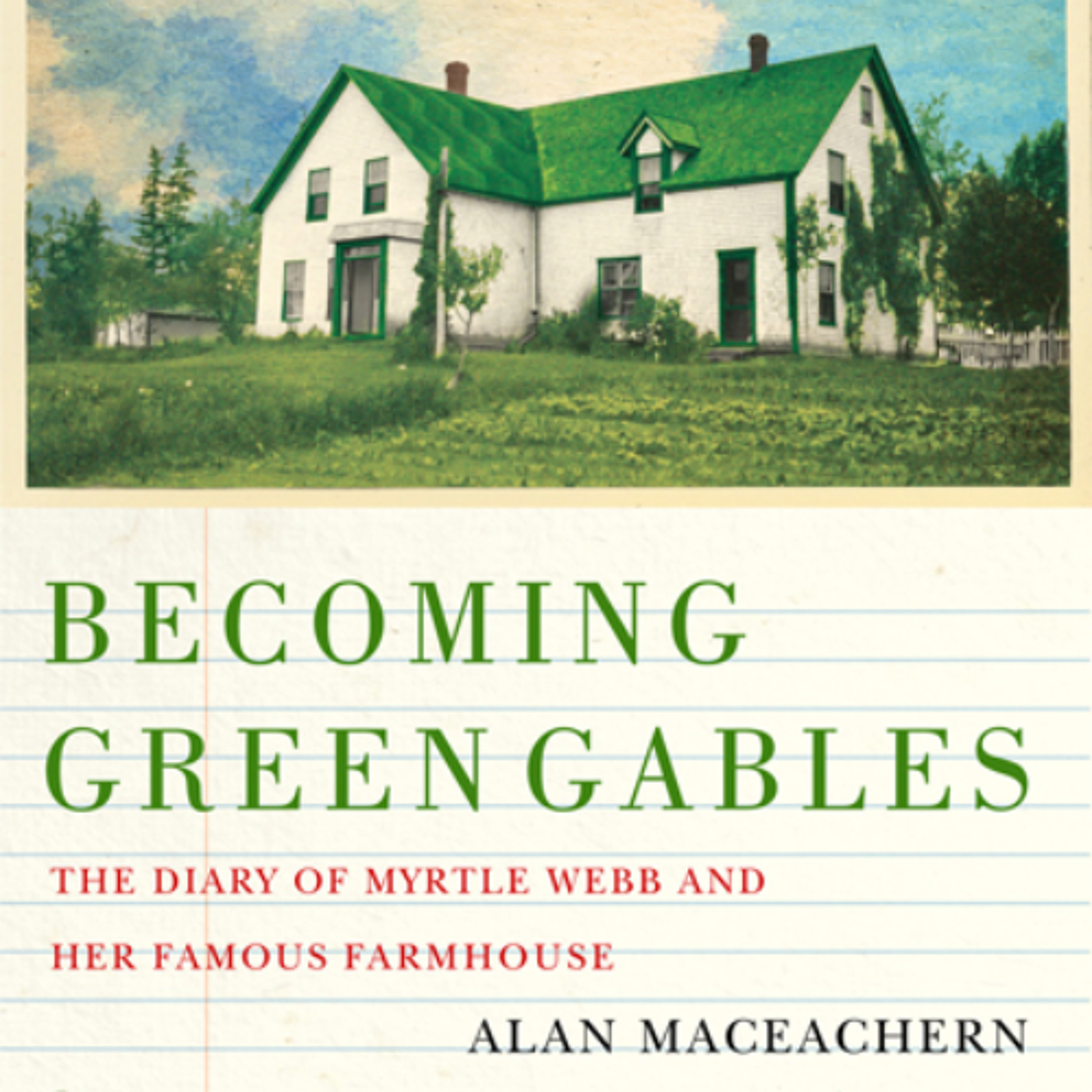
Becoming Green Gables: The Diary of Myrtle Webb and Her Famous Farmhouse episode artwork

EPISODE · Sep 19, 2025 · 23 MIN

Becoming Green Gables: The Diary of Myrtle Webb and Her Famous Farmhouse

from Witness to Yesterday (The Champlain Society Podcast on Canadian History) · host The Champlain Society

Nicole O'Byrne speaks with Alan MacEachern about his book Becoming Green Gables: The Diary of Myrtle Webb and Her Famous Farmhouse. In 1909 Myrtle and Ernest Webb took possession of a Cavendish, Prince Edward Island farm—ordinary except that it was already known as the inspiration for Anne of Green Gables, written by Myrtle’s cousin, L. M. Montgomery. The Webbs welcomed visitors to “Green Gables” and took in summer boarders, making their home central to PEI’s growing tourist trade. In the 1930s the farm became the centerpiece of a new national park, though the family remained its caretakers for another decade. During these years Myrtle kept a diary. When she began in 1924, she was a forty-year-old homemaker managing a household of eight; by 1954, she was a seventy-year-old widow, no longer resident in what had become the most famous house in Canada. In Becoming Green Gables, Alan MacEachern reproduces a selection of her diary entries, using them to explore topics from modern conveniences to wartime hosting and visits from “Aunt Maud” herself. Alan MacEachern is professor of history at the University of Western Ontario and has written widely on Canadian environmental history. Image Credit: MQUP If you like our work, please consider supporting it: bit.ly/support_WTY. Your support contributes to the Champlain Society’s mission of opening new windows to directly explore and experience Canada’s past.

Nicole O'Byrne speaks with Alan MacEachern about his book Becoming Green Gables: The Diary of Myrtle Webb and Her Famous Farmhouse. In 1909 Myrtle and Ernest Webb took possession of a Cavendish, Prince Edward Island farm—ordinary except that it was already known as the inspiration for Anne of Green Gables, written by Myrtle’s cousin, L. M. Montgomery. The Webbs welcomed visitors to “Green Gables” and took in summer boarders, making their home central to PEI’s growing tourist trade. In the 1930s the farm became the centerpiece of a new national park, though the family remained its caretakers for another decade. During these years Myrtle kept a diary. When she began in 1924, she was a forty-year-old homemaker managing a household of eight; by 1954, she was a seventy-year-old widow, no longer resident in what had become the most famous house in Canada. In Becoming Green Gables, Alan MacEachern reproduces a selection of her diary entries, using them to explore topics from modern conveniences to wartime hosting and visits from “Aunt Maud” herself. Alan MacEachern is professor of history at the University of Western Ontario and has written widely on Canadian environmental history. Image Credit: MQUP If you like our work, please consider supporting it: bit.ly/support_WTY. Your support contributes to the Champlain Society’s mission of opening new windows to directly explore and experience Canada’s past.

NOW PLAYING

Becoming Green Gables: The Diary of Myrtle Webb and Her Famous Farmhouse

0:00 23:24

No transcript for this episode yet

We transcribe on demand. Request one and we'll notify you when it's ready — usually under 10 minutes.

Frequently Asked Questions

How long is this episode of Witness to Yesterday (The Champlain Society Podcast on Canadian History)?

This episode is 23 minutes long.

When was this Witness to Yesterday (The Champlain Society Podcast on Canadian History) episode published?

This episode was published on September 19, 2025.

What is this episode about?

Nicole O'Byrne speaks with Alan MacEachern about his book Becoming Green Gables: The Diary of Myrtle Webb and Her Famous Farmhouse. In 1909 Myrtle and Ernest Webb took possession of a Cavendish, Prince Edward Island farm—ordinary except that it was...

Can I download this Witness to Yesterday (The Champlain Society Podcast on Canadian History) episode?

Yes, you can download this episode by clicking the download button on the episode player, or subscribe to the podcast in your preferred podcast app for automatic downloads.
URL copied to clipboard!