Becoming Part of the Solution
from Farver Farms Hosted by Farver Farms
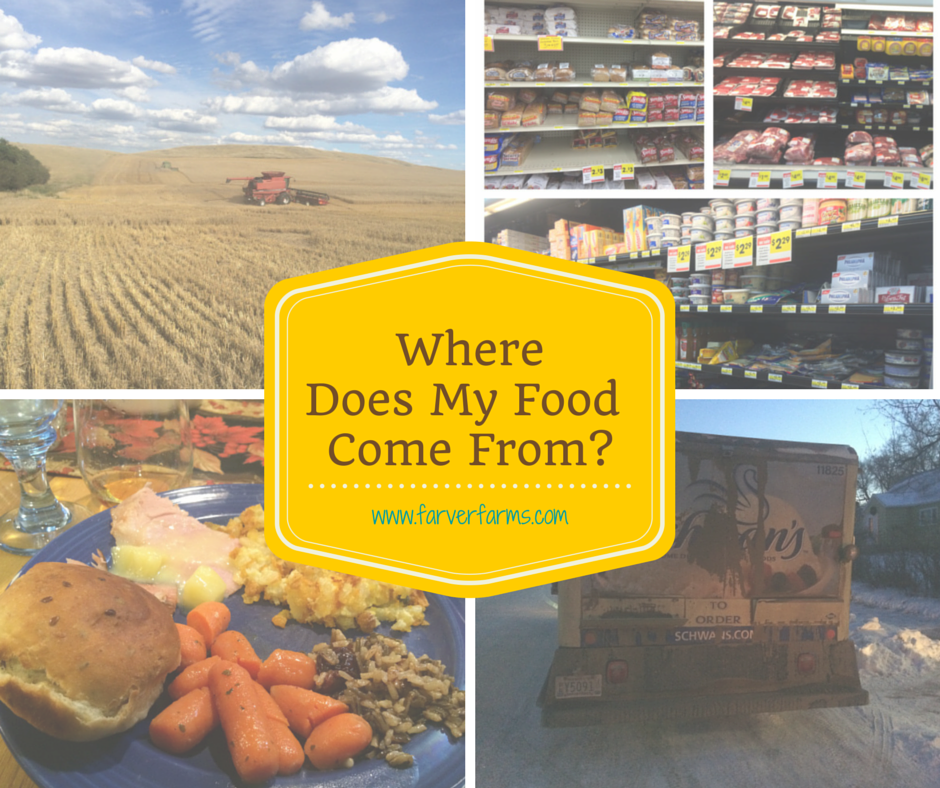
I usually prefer to write about the romantic side of farming and production agriculture. The way of life, the land, the heritage. But recently, I’ve had friends asking whether I have an opinion about all the hot-topic debate surrounding GMOs. I do. Of course I do. If you’re an ag producer, you have an opinion about GM crops. And fertilizer. And pesticides. And, and, and… If you’re an ag producer, you have an opinion about GM crops. And fertilizer. And pesticides. And…Powered By the Tweet This PluginTweet This To be certain, we’re not the only ones with opinions on those topics. Everyone has one. And while I’ve mostly stayed out of the social media conversations about GMOs & some of the other topics du jour, (largely because they often turn into mud slinging insult fests that tear down communication more than they disperse information), I’m going to weigh in today. I participated in a Tweet Chat last night about Millenials in Agriculture. For those of you not familiar with a Tweet Chat, it’s a live conversation via social media centered around a certain topic. Everyone participates uses the same hash tag, so that everyone else can see their comments. They’re fast moving, and a fantastic way to connect with folks around the globe. Last night was #agchat. And it made me equally hopeful about the future of agriculture, and frustrated about the perception of the industry our kids are inheriting. I was gleefully impressed with the Millenials participating in the conversation,… with their thoughtful answers, their willingness to learn as well as respectfully share their own knowledge & innovation, & their commitment to agriculture. Here’s where the frustration came. One of the questions asked this: What is the most difficult part of agvocating for Millennials? Several responded that the most difficulty lies in dispelling some of the misinformation out there surrounding ag. And even more than that, fending off anti-ag propaganda. Think about this. If our best & brightest, the future of food in our World, have to spend an increasing amount of their time defending themselves & their industry from uneducated hate mongers, that means they’re spending less time on actually producing food. Folks, that’s not a good scenario for the estimated 9 billion mouths we’ll need to be feeding by 2050. There’s a saying: If you’re not part of the solution, you’re part of the problem. Today, we’re committing to being part of the solution. That starts with being clear about where we stand. This article sums up our thoughts here on the Farm, about the issue of GMO vs organic crops. It’s well researched & well written, and says better than we could how we feel. “So what are the facts? Organically grown food is not more healthful than conventionally grown food. Plants don’t care whether their nitrogen comes from manure or a sack of fertilizer. Organic produce is more expensive because organic farming is less productive than conventional farming. Nor is it sustainable on a global scale. Indeed, if the whole world relied on organic farming, we could feed about half of today’s 7 billion people.” Don’t get us wrong. We’re absolutely pro-food choice. If a consumer chooses organic foods, or chooses to purchase their food directly from a farmer or at a farmers market, we support that choice. But the fact remains, we can’t feed the World using that model. God willing, as they become the next generation of our world’s food providers, Millenials and our own Prairie kids will be part of the ongoing discussion about the advancement of ag production practices that we’ll need to feed the increasing population. We want to play a part in leaving them an intellectual, problem solving, global conversation that includes everyone in the food supply system, from producers to consumers, rather than a constant defensive justification against a one-sided diatribe from the uneducated. And we truly believe that education will play a key part in these dialogues. But we’d be remiss if we naively assumed that emotion wouldn’t also be front and center. Farmers are emotional when they discuss their livelihood, their generational legacy. Consumers are emotional when they discuss the food they use to nourish their bodies. And those are both good things. It means there’s a high level of investment & dedication on both sides. They key, is to humanize those emotions. It’s far more difficult to fling insults at a friend than a faceless, nameless social media icon. And it’s far easier to reach for understanding with a real person than a perception of a giant, evil corporate empire. In the coming weeks, we’ll be launching a new Blog series at Farver Farms called ‘Where Does My Food Come From?’ We’re going to be talking with Farmers from around the Nation, putting personal stories & real faces on production agriculture. We’re going to make connections between individual farmers & the food products that consumers buy on the shelves every day. And we’re going to shed some light on the gate to plate process. Each of the posts in this series will include an interview with an ag producer. We’ll include the blogged version, but also the audio to the actual interview, because human voices can sometimes make a greater personal connection than words on a page. In fact, here’s the audio version of today’s post: http://www.farverfarms.com/wp-content/uploads/2014/12/Introduction.mp3 Each post will also include a direct connection to the consumer food choices that coincide with the farmer or rancher we’re interviewing. For example, if we interview a farmer who produces wheat that goes into the general food supply, we’ll talk about a product consumers commonly find on the shelves of local grocery stores. Say, bread. And we’ll be hosting a giveaway for our readers that matches with the topic for the day. Finally, each post will be sponsored by the folks in the middle– the ones who make the gate to plate connections. The shippers, process, & distributors who truly make the food supply system work. And you’ll hear a little bit about their stories as well. Our hope, is to make a direct, personal connection between food producers & food consumers, because knowledge is power. When consumers can see ‘who’ is producing their food– the real person, who’s not unlike themselves– and that these real people are feeding their own families the same food they’re asking consumers to eat, … it eliminates fear. It creates a foundation for learning & understanding. And it serves as a starting point for a combined effort, across the board, to sustainably feed our World. Watch for our new Blog series, ‘Where Does My Food Come From?’ debuting right here at FarverFarms.com in the the next few weeks, and…. I’ll see you soon on the Farm! -Shauna
Embed this episode
What this episode covers
I usually prefer to write about the romantic side of farming and production agriculture. The way of life, the land, the heritage. But recently, I've had friends asking whether I have an opinion about all the hot-topic debate surrounding GMOs. I ...
No transcript yet.