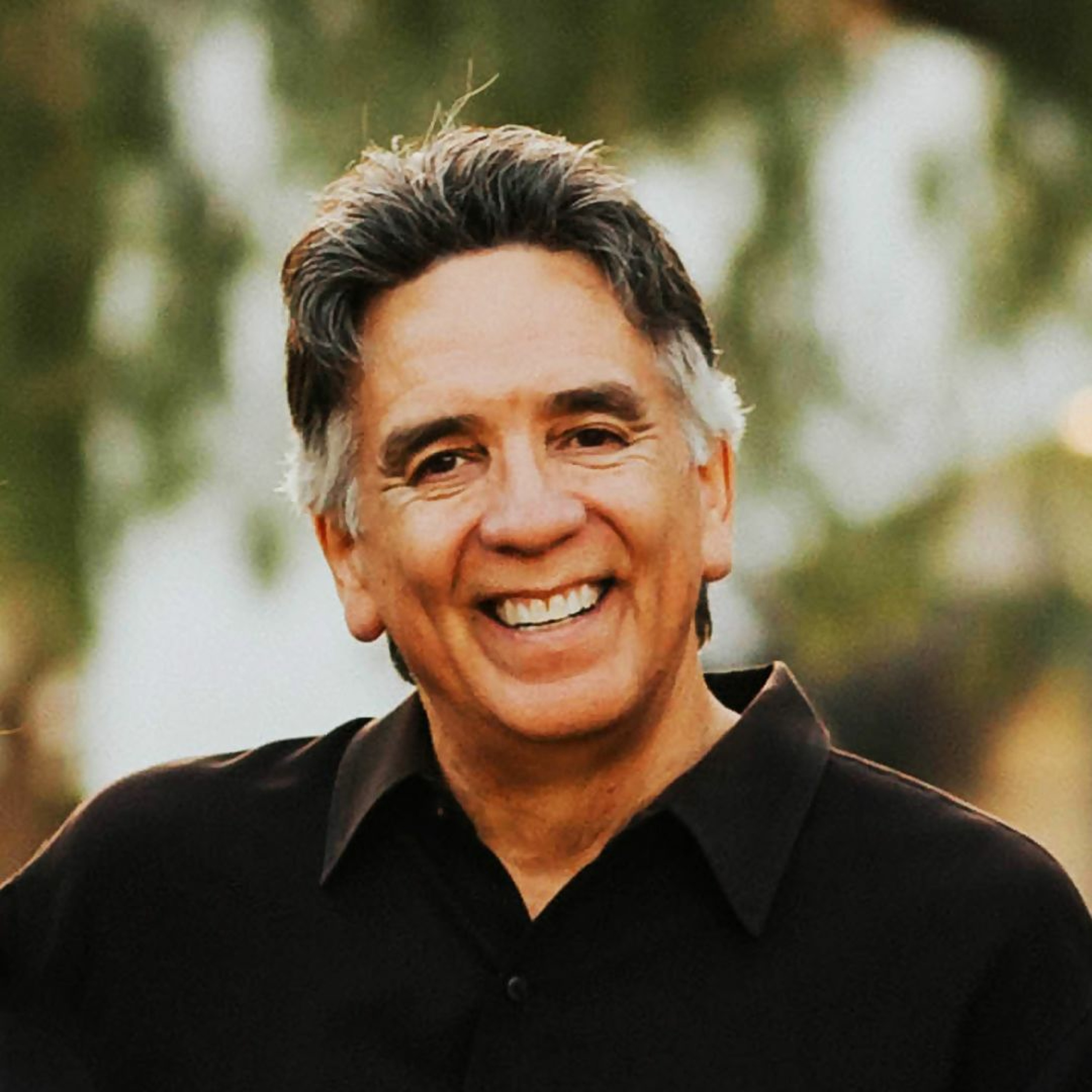
Beginning Of Shalom episode artwork

EPISODE · Oct 27, 2024 · 44 MIN

Beginning Of Shalom

from theeffect Podcasts · host David Brisbin

Dave Brisbin 10.27.24 When we hear the Hebrew word shalom, we think of peace, as in the absence of conflict. And when we hear the word forgiveness, we think of pardoning or excusing, even condoning a person’s harmful action. But shalom—selama in Aramaic—means the greatest amount of unity, wholeness, health, and prosperity possible. And sebaq, forgiveness, means to set free. To the Semitic mind, forgiveness is being set free from victimization, and the fear, anger, resentment that has metastasized as a result. But since we can’t free another person’s heart, when we forgive, we’re actually setting ourselves free. We’re the only ones who can. In the 8th Step of AA, when we make a list of all the people we have harmed, we are going far beyond a mere list. We are recognizing our deep interconnectedness, maybe for the first time. How each choice and action we make ripples out, affecting others, just as theirs affect us. Not a problem when our actions are affirming, but can be devastating when not. And the closer a person is to us, the more they are affected. Our interconnection creates a responsibility for each other, but accepting that is a tricky process because most of the people we’ve harmed have harmed us back—or at least we imagine they did. Becomes easy to justify our actions, wiggle off the hook by clinging to our own victimization. So when we become willing to make amends to them all, we are going far beyond a mere transaction, beyond apology or restitution. We are moving toward actual forgiveness, our own set-freeness…because we’ll never see the harm we’ve done until we’ve set ourselves free from the harm done to us. AA’s own literature calls Step 8 the “beginning of the end of isolation.” Perfect description. Anything less than the perfect unity and wholeness of shalom is considered hataha—Aramaic for sin. Sin is separation itself. Harmful action takes us there, to the separation and isolation of compromised relationship. To become aware of our interconnectedness, to be freed from our sense of victimhood so we can see the harm we’ve done is the beginning of the end of our isolation. And the beginning of shalom.

Dave Brisbin 10.27.24 When we hear the Hebrew word shalom, we think of peace, as in the absence of conflict. And when we hear the word forgiveness, we think of pardoning or excusing, even condoning a person’s harmful action. But shalom—selama in Aramaic—means the greatest amount of unity, wholeness, health, and prosperity possible. And sebaq, forgiveness, means to set free. To the Semitic mind, forgiveness is being set free from victimization, and the fear, anger, resentment that has metastasized as a result. But since we can’t free another person’s heart, when we forgive, we’re actually setting ourselves free. We’re the only ones who can. In the 8th Step of AA, when we make a list of all the people we have harmed, we are going far beyond a mere list. We are recognizing our deep interconnectedness, maybe for the first time. How each choice and action we make ripples out, affecting others, just as theirs affect us. Not a problem when our actions are affirming, but can be devastating when not. And the closer a person is to us, the more they are affected. Our interconnection creates a responsibility for each other, but accepting that is a tricky process because most of the people we’ve harmed have harmed us back—or at least we imagine they did. Becomes easy to justify our actions, wiggle off the hook by clinging to our own victimization. So when we become willing to make amends to them all, we are going far beyond a mere transaction, beyond apology or restitution. We are moving toward actual forgiveness, our own set-freeness…because we’ll never see the harm we’ve done until we’ve set ourselves free from the harm done to us. AA’s own literature calls Step 8 the “beginning of the end of isolation.” Perfect description. Anything less than the perfect unity and wholeness of shalom is considered hataha—Aramaic for sin. Sin is separation itself. Harmful action takes us there, to the separation and isolation of compromised relationship. To become aware of our interconnectedness, to be freed from our sense of victimhood so we can see the harm we’ve done is the beginning of the end of our isolation. And the beginning of shalom.

NOW PLAYING

Beginning Of Shalom

0:00 44:56

No transcript for this episode yet

We transcribe on demand. Request one and we'll notify you when it's ready — usually under 10 minutes.

French Your Way Jessica: Native French teacher founder of French Your Way Boost your French listening skills and test your comprehension with this one of a kind series of podcasts. Get the chance to listen to a real conversation between native speakers talking at normal speed AND customise your learning experience through carefully designed sets of questions (2 levels of difficulty) available for download at www.frenchvoicespodcast.com. All interviews also come with the transcript. French teacher Jessica interviews native speakers of French from around the world who share a bit of their life and passion. Where else would you meet in one same place a French yoga teacher based in Melbourne, a soap manufacturer from Provence, or a couple cycling around the world? The Lee Olsen Show Lee Olsen CJF I want to help you improve all areas of your life by 3 types of podcasts!👉Blood, Sweat & Blessings-Interviews of normal people that have achieved BIG things!👉Series!!! For Love of the Horse- Brad Jackman DVM & Lee Olsen CJF, how to help your horse!👉Business Tips- Proven Life Changing Business Strategies with Lee Olsen 🎙️Truth and Testimony the Broadcast Ray Gauthier & Adrian Scott This Podcast discusses and teaches the word of God. You will hear about world news and how it relates to bible prophecy. You will also hear interviews and testimonies from men and women of God who have devoted their lives to serving Yeshua (Jesus). Hosted by Ray Gauthier and Adrian Scott. These two long term broadcast colleagues have joined forces once again to provide you the highest quality in broadcast excellence, all for the glory of Yahweh: the God of all creation!You can see most of the podcasts uploaded here at our Youtube Channel.https://www.youtube.com/@truthandtestimonythebroadcast Rich and Weekly Wondery We’re fascinated with the lives of both the famous and the infamous. From the Kardashians and Kendrick to Britney and the Bravo-verse, RICH AND WEEKLY is your dose of the hottest and latest celebrity news. Brooke Siffrinn and Aricia Skidmore-Williams, hosts of the hit series Even the Rich and Even the Royals, spill the tea, dish the dirt, and tell you exactly what they think. New episodes drop every Thursday.Listen to Rich and Weekly on the Wondery App or wherever you get your podcasts. You can listen to all episodes ad-free on Wondery+. Join Wondery+ in the Wondery App, Apple Podcasts or Spotify. Start your free trial by visiting wondery.com/links/rich-and-weekly/ now.

Frequently Asked Questions

How long is this episode of theeffect Podcasts?

This episode is 44 minutes long.

When was this theeffect Podcasts episode published?

This episode was published on October 27, 2024.

What is this episode about?

Dave Brisbin 10.27.24 When we hear the Hebrew word shalom, we think of peace, as in the absence of conflict. And when we hear the word forgiveness, we think of pardoning or excusing, even condoning a person’s harmful action. But shalom—selama in...

Can I download this theeffect Podcasts episode?

Yes, you can download this episode by clicking the download button on the episode player, or subscribe to the podcast in your preferred podcast app for automatic downloads.
URL copied to clipboard!