
EPISODE · Jun 5, 2026 · 35 MIN
Best Citizen Science Kits for Kids: Building Real-World Research Skills at Home
from The STEM Lab
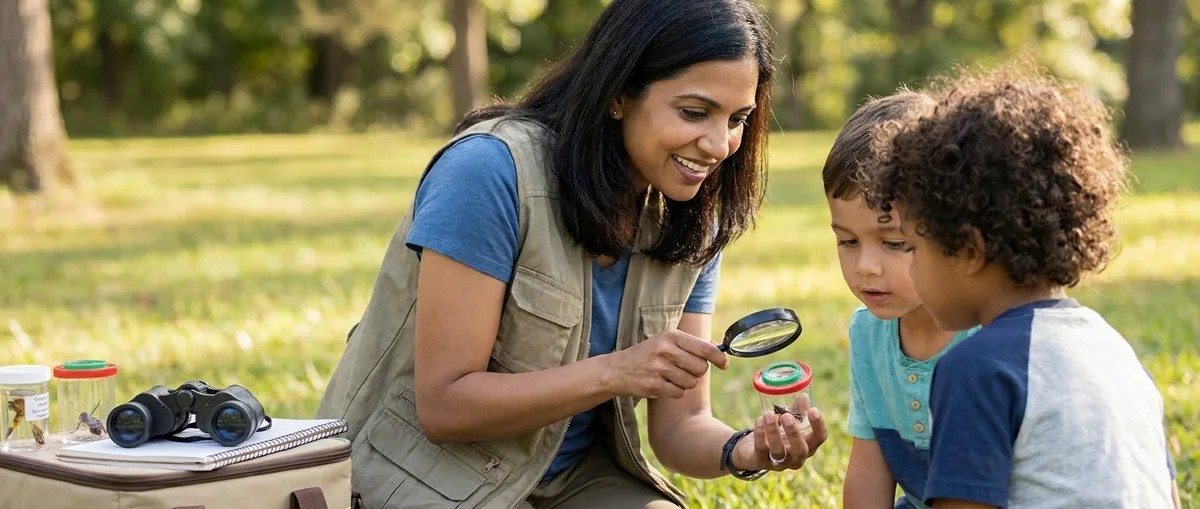
In this episode, we're talking about citizen science kits—the kind that connect your child to real research networks instead of just simulating science at the kitchen table. If you've ever wondered whether your kid could contribute actual data to university labs or environmental agencies, this episode walks you through what that looks like, what equipment you need, and how to pick a project that matches your child's age and interests. This isn't about toys or feel-good participation awards; it's about teaching kids the same protocols and data hygiene practices that professional scientists use every single day. Citizen science kits let kids collect real data for actual research studies, not just do pretend experiments. Their observations go into the same databases that scientists use to write papers, track species, or monitor water quality. It's like being part of a research team, even if you're working from your backyard. These kits teach skills that regular science kits don't, like calibrating equipment, troubleshooting weird results, and keeping data clean and organized. Instead of just following steps and getting a predictable result, kids learn to handle the messy, frustrating, real-world problems that actual scientists deal with all the time. You can start with simple observation projects around age seven or eight—things like counting birds or tracking when flowers bloom. More technical projects with sensors and water testing work better for kids around ten to twelve, once they can handle careful measurements and stay consistent over weeks or months. Most citizen science platforms are totally free to join because they're research projects looking for data, not companies selling you stuff. But if you're using equipment like water testing kits or sensor platforms, you'll need to budget for things like replacement chemicals, calibration supplies, or new sensor parts—usually fifty to one hundred dollars a year. You don't have to buy a fancy kit to do citizen science. Some of the best projects just need a smartphone camera and a free app, or binoculars and a bird feeder you already own. The important part is finding a well-designed protocol connected to real researchers, not necessarily buying a box with everything included. Show Links Affiliate Disclosure: As an Amazon Associate I earn from qualifying purchases. Full article Related Articles LEGO STEM Education: Complete Guide to Building Technical Skills Through Brick-Based Learning STEM Toys for 10 Year Olds That Teach Real Skills: Skill-Building Guide How to Choose a Citizen Science Kit for Your Child's Skill Level Best 3D Printers for Kids and Teens: Complete Buyer's Guide for Educational STEM Learning Best Robotics Kits for Kids: Complete Guide to Building Real Engineering Skills
Embed this episode
NOW PLAYING
Best Citizen Science Kits for Kids: Building Real-World Research Skills at Home
No transcript for this episode yet
Similar Episodes
No similar episodes found.
Similar Podcasts
No similar podcasts found.