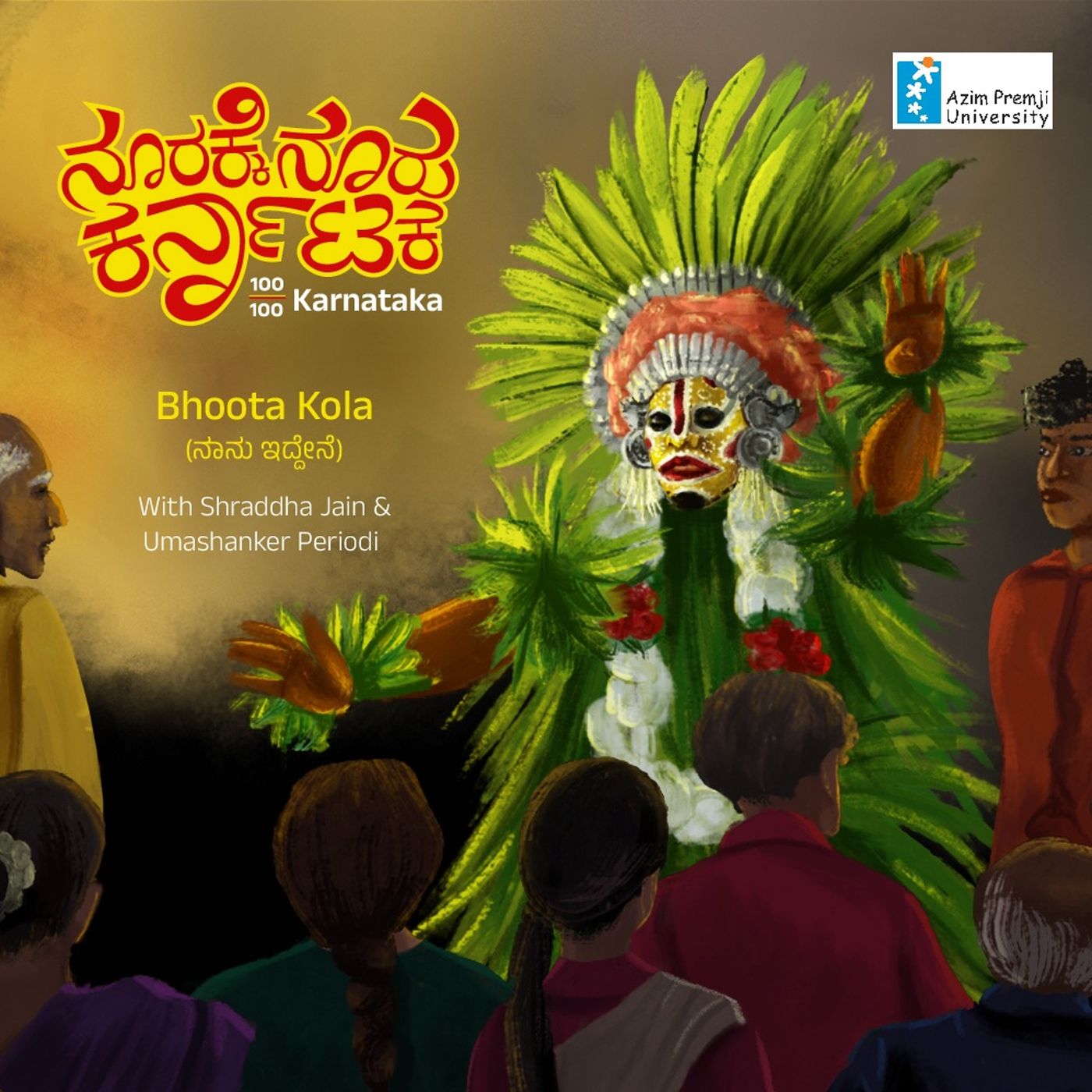
Bhoota Kola | ಭೂತ ಕೋಲ | Noorakke Nooru Karnataka ನೂರಕ್ಕೆ ನೂರು ಕರ್ನಾಟಕ episode artwork

EPISODE · Mar 20, 2024 · 40 MIN

Bhoota Kola | ಭೂತ ಕೋಲ | Noorakke Nooru Karnataka ನೂರಕ್ಕೆ ನೂರು ಕರ್ನಾಟಕ

from Radio Azim Premji University · host Radio Apu

“For the people of Dakshina Kannada, Bhootas are above god,” declares Umashanker Periodi. “Because, unlike gods, Bhootas talk to them.” Periodi, who hails from a family that is involved in Bhoota Kola, is a seasoned mentor and former Head of Karnataka State at Azim Premji Foundation. Although he grew up in a Dakshina Kannada village enveloped by the aura of rituals and traditions, as a college student with socialist influences, he grew sceptical of them. As his worldview matured, nudged by his mother, Periodi began to acknowledge and respect the beliefs of his people. His experience shaped his tolerance and appreciation of their cultural and social significance. In the second episode of our Kannada series Noorakke Nooru Karnataka [100/100 Karnataka], Shraddha has an engaging conversation with Periodi on the rich tradition of Bhoota Kola. A spirit worship tradition with highly stylised elements of performance and music, Bhoota Kola thrives in the Dakshina Kannada region of coastal Karnataka known as Tulunadu. The ceremonies, which take place between December and July, involve elaborate preparations, including energetic performances characterised by intricate costumes and decorations. Periodi explains that Bhootas — ancestral spirits — are often a symbolic manifestation of entities or powers feared or revered by communities that worship them. There is Koragajja the wise tribal elder who can recover anything that is lost, Panjurli the fearsome boar-faced forest spirit who is the protector of crops, the spirits of the heroic twins Koti and Chennayya who were martyred as they combated social injustice, and so on. Rooted in indigenous practices and Hindu mythology, Bhoota Kola is performed by shamanistic dancers who invoke ancestral spirits and become possessed by them, entering a lucid trance-like state. In this state, the Bhoota is often approached for answers, advice, or mediation. When the verdict is delivered, the spirit’s word is law. “I’m here, you have no reason to fear.” The Bhoota’s blessing is a solace to the village community. Bhootas, usually personified by individuals from lower castes, are vital arbiters who mediate conflicts and disputes within their communities. They serve as counsellors and dispensers of justice. Often, the Bhootas deliver judgements that go against the interests of the feudal landlords. For challenging the caste hierarchy, the Bhootas have often paid with their lives. Yet, struggling to overcome attempts by upper castes to rein in the tradition, Bhoota Kola has remained a vital pillar of community life in Tulunadu. A Bhoota Kola brings families together, creates a permissive environment for women to socialise beyond curfew hours, and provides a sacred space for free expression for those oppressed by the caste system. Continuing our exploration of stories from Karnataka for you to savour and share, Radio Azim Premji University brings you yet another episode of Noorakke Nooru Karnataka. We hope you enjoy listening to it. Credits: Akshay Ramuhalli, Bijoy Venugopal, Bruce Lee Mani, Harshit Hillol Gogoi, Manjunath SV, Narayan Krishnaswamy, Prashant Vasudevan, Sananda Dasgupta, Seema Seth, Shraddha Gautam, Supriya Joshi, and Velu Shankar For a comprehensive list of acknowledgements and resources, including notes in Kannada, please visit our website: https://azimpremjiuniversity.edu.in/radio-azim-premji-university

“For the people of Dakshina Kannada, Bhootas are above god,” declares Umashanker Periodi. “Because, unlike gods, Bhootas talk to them.” Periodi, who hails from a family that is involved in Bhoota Kola, is a seasoned mentor and former Head of Karnataka State at Azim Premji Foundation. Although he grew up in a Dakshina Kannada village enveloped by the aura of rituals and traditions, as a college student with socialist influences, he grew sceptical of them. As his worldview matured, nudged by his mother, Periodi began to acknowledge and respect the beliefs of his people. His experience shaped his tolerance and appreciation of their cultural and social significance. In the second episode of our Kannada series Noorakke Nooru Karnataka [100/100 Karnataka], Shraddha has an engaging conversation with Periodi on the rich tradition of Bhoota Kola. A spirit worship tradition with highly stylised elements of performance and music, Bhoota Kola thrives in the Dakshina Kannada region of coastal Karnataka known as Tulunadu. The ceremonies, which take place between December and July, involve elaborate preparations, including energetic performances characterised by intricate costumes and decorations. Periodi explains that Bhootas — ancestral spirits — are often a symbolic manifestation of entities or powers feared or revered by communities that worship them. There is Koragajja the wise tribal elder who can recover anything that is lost, Panjurli the fearsome boar-faced forest spirit who is the protector of crops, the spirits of the heroic twins Koti and Chennayya who were martyred as they combated social injustice, and so on. Rooted in indigenous practices and Hindu mythology, Bhoota Kola is performed by shamanistic dancers who invoke ancestral spirits and become possessed by them, entering a lucid trance-like state. In this state, the Bhoota is often approached for answers, advice, or mediation. When the verdict is delivered, the spirit’s word is law. “I’m here, you have no reason to fear.” The Bhoota’s blessing is a solace to the village community. Bhootas, usually personified by individuals from lower castes, are vital arbiters who mediate conflicts and disputes within their communities. They serve as counsellors and dispensers of justice. Often, the Bhootas deliver judgements that go against the interests of the feudal landlords. For challenging the caste hierarchy, the Bhootas have often paid with their lives. Yet, struggling to overcome attempts by upper castes to rein in the tradition, Bhoota Kola has remained a vital pillar of community life in Tulunadu. A Bhoota Kola brings families together, creates a permissive environment for women to socialise beyond curfew hours, and provides a sacred space for free expression for those oppressed by the caste system. Continuing our exploration of stories from Karnataka for you to savour and share, Radio Azim Premji University brings you yet another episode of Noorakke Nooru Karnataka. We hope you enjoy listening to it. Credits: Akshay Ramuhalli, Bijoy Venugopal, Bruce Lee Mani, Harshit Hillol Gogoi, Manjunath SV, Narayan Krishnaswamy, Prashant Vasudevan, Sananda Dasgupta, Seema Seth, Shraddha Gautam, Supriya Joshi, and Velu Shankar For a comprehensive list of acknowledgements and resources, including notes in Kannada, please visit our website: https://azimpremjiuniversity.edu.in/radio-azim-premji-university

NOW PLAYING

Bhoota Kola | ಭೂತ ಕೋಲ | Noorakke Nooru Karnataka ನೂರಕ್ಕೆ ನೂರು ಕರ್ನಾಟಕ

0:00 40:18

No transcript for this episode yet

We transcribe on demand. Request one and we'll notify you when it's ready — usually under 10 minutes.

No similar episodes found.

Frequently Asked Questions

How long is this episode of Radio Azim Premji University?

This episode is 40 minutes long.

When was this Radio Azim Premji University episode published?

This episode was published on March 20, 2024.

What is this episode about?

“For the people of Dakshina Kannada, Bhootas are above god,” declares Umashanker Periodi. “Because, unlike gods, Bhootas talk to them.” Periodi, who hails from a family that is involved in Bhoota Kola, is a seasoned mentor and former Head of...

Can I download this Radio Azim Premji University episode?

Yes, you can download this episode by clicking the download button on the episode player, or subscribe to the podcast in your preferred podcast app for automatic downloads.
URL copied to clipboard!