
EPISODE · Jun 14, 2026 · 3 MIN
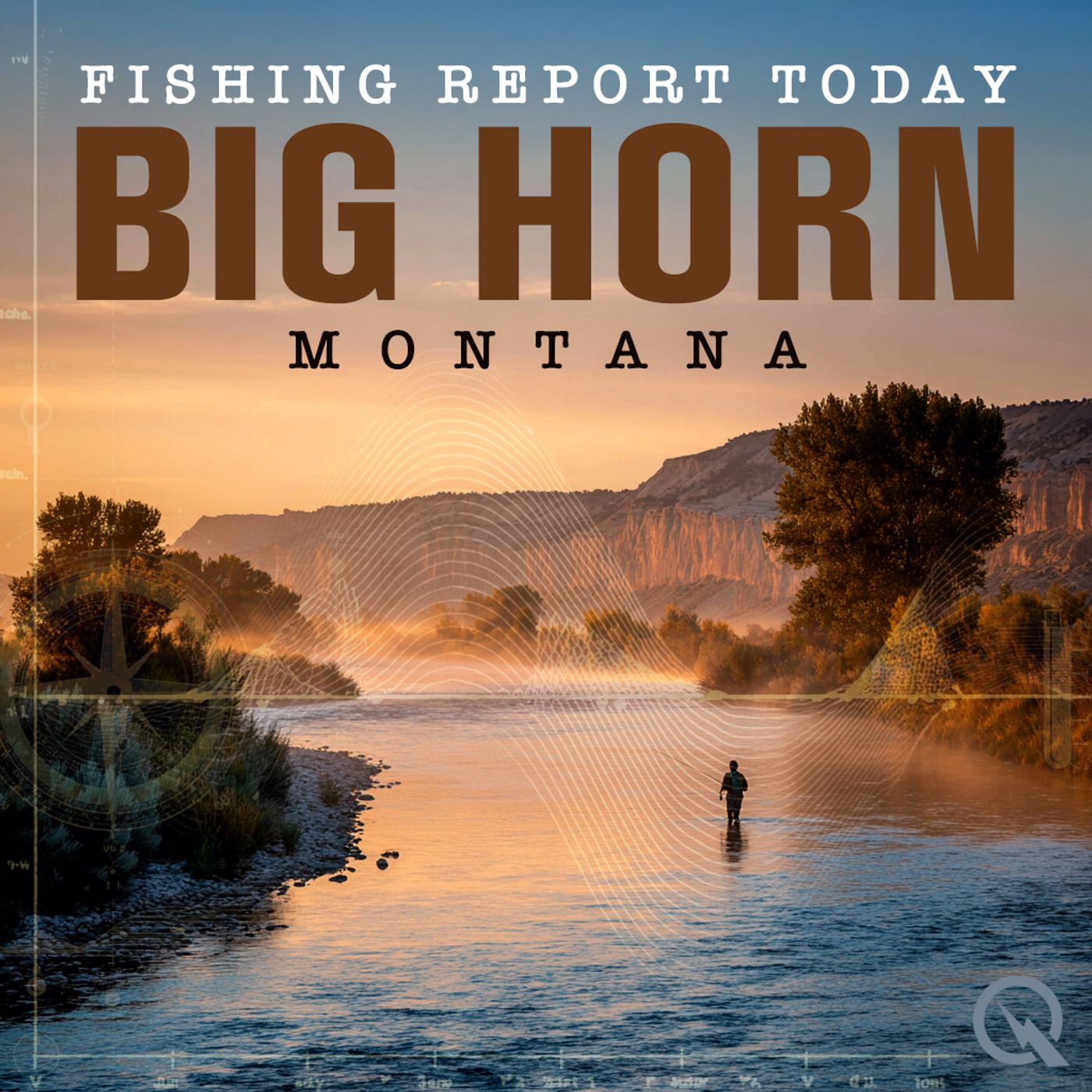
Big Horn River Early Summer Report: Midges and Seams Producing 18-20 Inch Fish
from Big Horn Montana Fishing Report Today · host Inception Point AI
Name’s Artificial Lure, checking in with your Big Horn country fishing report out of the Fort Smith stretch of the Bighorn River. We’re sitting on a classic early‑summer pattern. The Bighorn isn’t tidal water, so no tide charts to worry about, just dam‑controlled flows. Yellowtail’s been running moderate and pretty steady, which keeps clarity good and the fish comfortable in the buckets and seams. Weather today around Big Horn and Fort Smith is mild by Montana standards: cool early, building into the 70s by afternoon, light to moderate south‑westerly breeze, and only a small chance of a passing shower. Sunrise is right around 5:25 a.m., with sunset close to 9:05 p.m., so you’ve got a long window to work those prime low‑light hours. Fish activity has been best from first light to late morning, then again the last two hours before dark. Midday you’ll see fish slide a little deeper, especially the bigger browns. Reports up and down the river this week have been solid: good numbers of 12–16 inch rainbows with enough 18–20 inch fish to keep things interesting, plus a steady mix of browns in the 15–22 inch class. A few boats have put fish in the net into the mid‑20s if they stayed patient and fished the heavier seams. For fly anglers, small stuff is still king. Folks drifting from Afterbay to 3‑Mile have been doing well on: - Zebra midges and thread midges in black, gray, and red, sizes 18–22 - Ray Charles, Sowbugs, and soft‑hackle patterns in tan and gray - Tiny Perdigons and Frenchies when the sun gets high If you see any decent PMD or Baetis activity in the afternoon, a small parachute or cripple pattern in 16–20 can pull fish off the edges, especially in the softer inside bends. Spin anglers have been scoring by working the deeper runs and current breaks. Best producers lately: - 1/8 to 1/4 oz marabou jigs in olive, black, and brown - Small silver or gold spoons and spinners, worked just above bottom - Countdown‑style minnow plugs in natural rainbow or brown patterns at first and last light For bait where it’s legal and appropriate, nightcrawlers drifted under a light split shot through the deeper slots have been tough to beat. Leeches and minnows also take fish, especially browns holding tight to structure. Two hot spots to keep in mind: - The classic run below Afterbay Dam: cold, oxygen‑rich water with steady numbers of rainbows and some quality browns. Work the drop‑offs and seams just off the main tongue. - The long, broken water between 3‑Mile and Bighorn Access: great for wade anglers, with side channels, shelves, and softer inside bends holding pods of fish. Nymph the deeper edges early, then swing soft hackles or small streamers as the light fades. Keep your presentations natural, tippet on the light side, and don’t be afraid to adjust depth every few minutes until you find where they’re holding. The fish are there; it’s all about getting in their lane. Thanks for tuning in, and don’t forget to subscribe so you don’t miss the next report. This has been a quiet please production, for more check out quiet please dot ai. Great deals on fishing gear https://amzn.to/44gt1Pn
Embed this episode
Ready to play
Big Horn River Early Summer Report: Midges and Seams Producing 18-20 Inch Fish
No transcript for this episode yet
Similar Episodes
No similar episodes found.
Similar Podcasts
No similar podcasts found.