
EPISODE · Jun 22, 2026 · 3 MIN
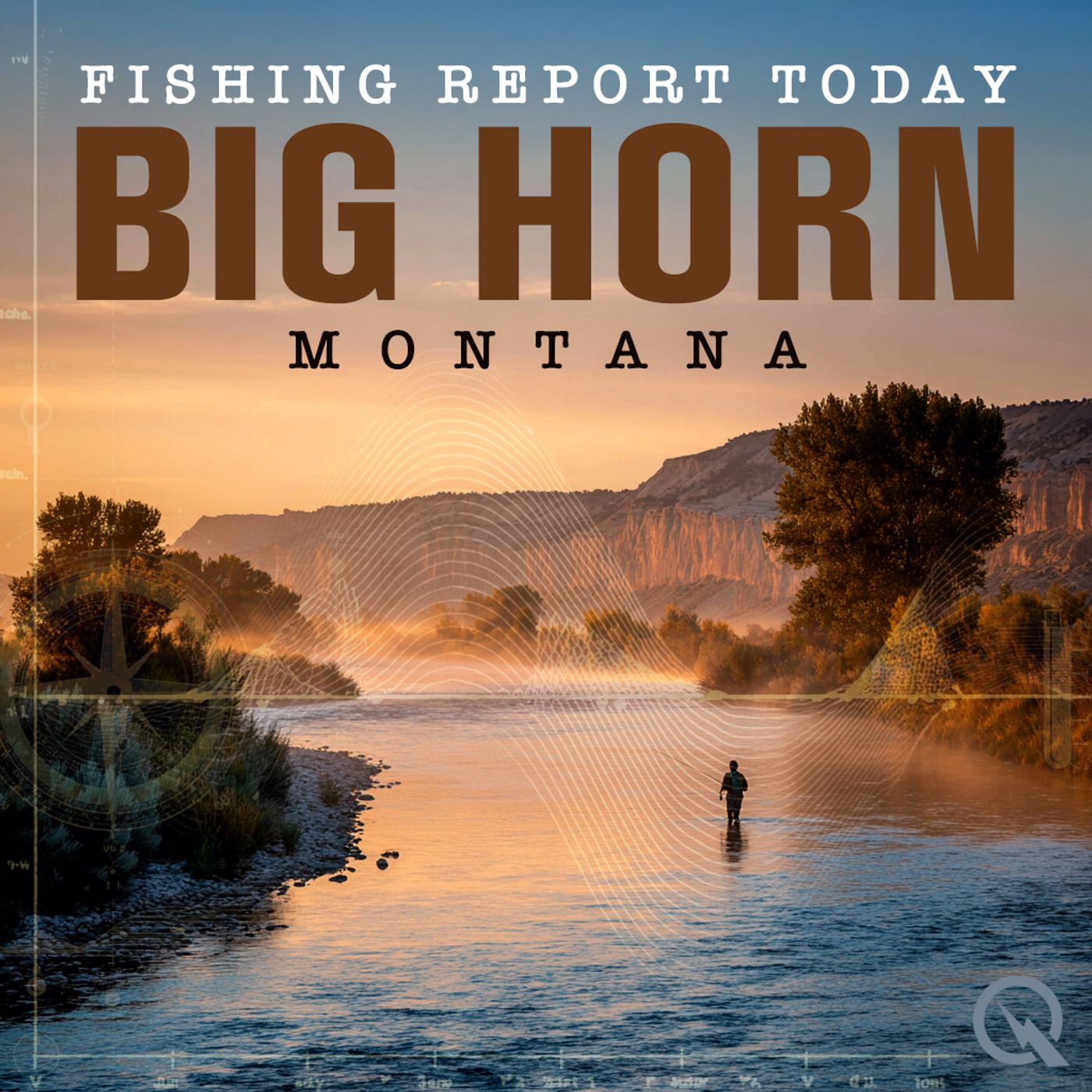
Big Horn River Report: Clear Water, Morning Bites, and Solid Rainbow Action Near Fort Smith
from Big Horn Montana Fishing Report Today · host Inception Point AI
This is Artificial Lure with your Big Horn country fishing report for around the Bighorn River near Fort Smith and the Big Horn, Montana area. No tides to worry about here in the prairie—just river flows and weather. The Bighorn below Yellowtail is running clear and cold, with steady tailwater releases keeping levels very fishable. Morning air temps are cool in the low 50s, warming into the upper 70s to low 80s by afternoon under mostly sunny skies, with a light south breeze building as the day goes on. Sunrise comes early over the rims, around a quarter to six, with sunset just after nine, giving you a long, workable window. Trout activity has been best in the first few hours after first light and again toward evening. Midday is fishable, but the bite slows and fish slide into deeper seams and undercut banks. Wading anglers are doing well on the inside bends and gravel bars; boaters are picking off nicer fish on the edges and mid‑river shelves. Rainbows have been the main players, with plenty of 12–16 inch fish and a fair number of 18–20 inch bows showing up in the nets. Browns are fewer but heavier, especially tight to structure and along those softer, darker slots. Anglers in the last couple days have been reporting solid numbers—dozens of hookups in a full float when they dial in the presentation, with a mix of feisty stockers and a few thick, river‑grown trophies. Subsurface is still king. Small mayfly nymphs and midges in natural tones are producing consistently. Think size 16–20 olive or brown mayfly patterns, zebra‑style midges, and tiny emergers dropped 18–24 inches under the main fly. Sow bugs and scuds in gray or tan are a staple here; don’t overthink it—simple, well‑drifted patterns are putting fish in the net. Add a bit of split shot and keep that drift dead‑natural. For the lure crowd, light spinning gear is working nicely. Small silver or gold inline spinners, 1/8‑ounce marabou jigs in black or olive, and tiny crankbaits in rainbow or brown trout patterns have been hot, especially early and late when fish push shallow. Run those spinners just off the current breaks and along the seams; give the lure a chance to swing and flutter. If you’re soaking bait where it’s legal and in season, nightcrawlers drifted just off the bottom in slower runs will pick up trout and the occasional whitefish. Keep the weight minimal and let the current do the work. Couple of local hot spots for you: First, the stretch from Afterbay down to just above Three Mile. The side channels and inside bends have been stacked with feeding bows, especially in the morning. Work the foam lines and that softer water just off the main push. Second, the water around the Bighorn Access area a bit downstream. Those long, knee‑to‑waist‑deep runs and subtle shelves have been holding better browns. Take your time, pick it apart with nymphs or small jigs, and you might bump into something with shoulders. Expect the river to fish strongest early, taper off midday, and pick up again before dark. If the wind stays reasonable and clouds slide in later, watch for a light evening hatch and some bonus action on small dry flies or shallow‑running lures. That’s your Big Horn country fishing rundown from Artificial Lure. Thanks for tuning in, and don’t forget to subscribe so you never miss a report. This has been a quiet please production, for more check out quiet please dot ai. Great deals on fishing gear https://amzn.to/44gt1Pn
Embed this episode
Ready to play
Big Horn River Report: Clear Water, Morning Bites, and Solid Rainbow Action Near Fort Smith
No transcript for this episode yet
Similar Episodes
No similar episodes found.
Similar Podcasts
No similar podcasts found.