I'm Reddong, I cover climate and the environment for The New York Times. I recently spent eight weeks on a research ship going to Antarctica, the planet's getting warmer, ice is melting away. Sea level rise is going to change our coastal cities. It's one thing to read about what scientists have discovered when they write papers, but it's another thing entirely to be there with them. This is what we do with The New York Times.
We want to bring you closer to the biggest stories that matter for how we all live in the world. If you'd like to support this work, you can become a subscriber. But nytimes.com subscribe. He grew up in Michigan, surrounded by poverty and heavy drug use. His new album, So Much For Good Bies, is inspired by his mother, who died about a year ago of an overdose.
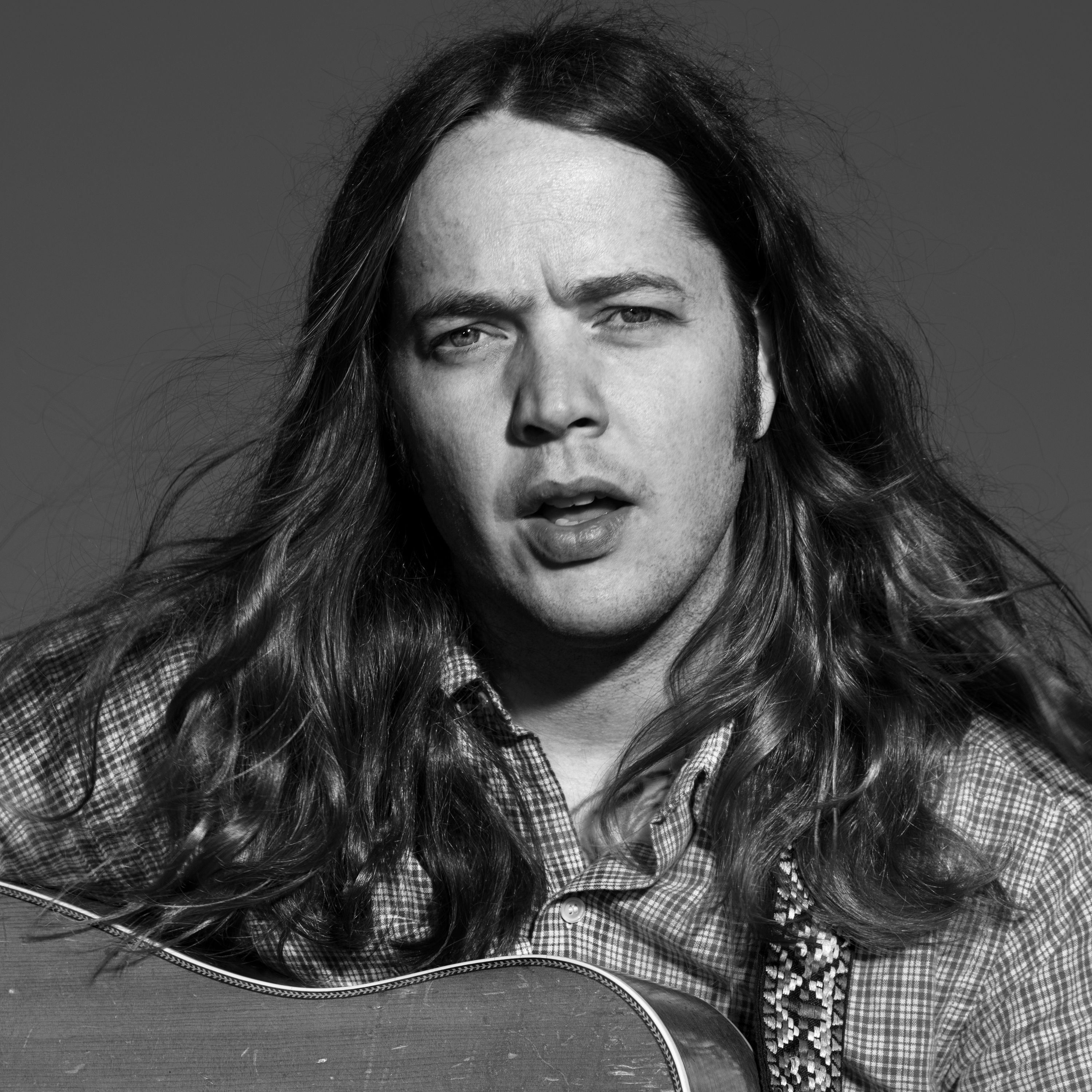
One of my favorite tracks, Milltown Flood, is a melancholy story song, which is built on strings as beautiful guitar playing. It looks like a tree. That guitar playing, I got to witness first hand in our second interview, which you want to stick around for. Mee, me, me, me. Here's my conversation with Billy Strings.
But first, a quick message. If you're not a subscriber, we have some news for you. You can now explore the times for free without paywalls during your first month in The New York Times app. Just download the app and we hope you enjoy it. Okay, on to the interview.
Thank you for taking the time to do this. I appreciate it. Of course. I wanted to ask, while these sold out shows across the country this summer and later in the summer, you're even doing your own festival. It's pretty wild for someone who got their start playing bluegrass music and still plays music that's informed by traditional bluegrass music to have achieved what you've achieved.
Was there a moment for you that stands out as representing when you realize, like, oh, this has actually gotten really big? Yeah. I went from playing in my bedroom to playing in coffee houses and pubs and restaurants and stuff like that. And eventually I was able to put in my two weeks at my day job, which was working at a hotel up in Traverse City. And at that point, I thought, man, if I never get any bigger than this, I'd be happy.
I'm making a live and play music. I remember when I put out my first record, Turmoil and Tinfoil. I never thought about how the record would be like good for my career. I was just trying to record these songs. I wrote down a bunch of stuff that was personal to me and it was kind of like writing in my diary or something.
And I just wanted to make this art. And I was really focused on that. And then I remember when we actually sold some records and I was like, well, it was just kind of a big eye-opener to me. I never thought about the record helping to further my career. Can you tell me about the title of the new album, So Much For Good Bies?
What does that mean? Where does it come from? Yeah. My mom passed away last June, just over a year ago. I was actually on my way to a show in Kentucky.
And I just woke up the next morning on the bus and my wife came back and she told me the news. And to me, it was this kind of sad thing, this idea that I didn't get to say goodbye. But when I told my manager about the title, he's kind of like, man, I like that, you know, because it's not really goodbye. She's in everything and she's everywhere. And I'm one of her greatest creations.
She was so artistic and so creative that she made me and my brother and sister. So I like the idea that it can kind of be taken both ways, you know, so much for goodbyes. I didn't get to say goodbye, but also so much for goodbyes because it's not really goodbye. I'm sorry for your loss. If you don't mind me asking it, how did your mom pass away?
She struggled her whole life with different kinds of substance abuses. And I think she had a lot of unresolved trauma that she never really had like proper therapy for. And I think that was her way of kind of getting through some of that was medicating herself. And so she had an illness that eventually she succumbed to. So she died of an overdose.
And it was a shock to me because I had no idea that she was using again and she seemed to be doing really well. And her addiction, you know, has caused a lot of trauma and stuff in my own life. And it's she's kind of like a conundrum because she's such a beautiful, amazing artistic and just an amazing person. I've never met anybody like her. You know, we always talked about having her make the art for the next record cover.
She was an artist. She always was making art these little shadow boxes and mixed media art. And she would always be collecting kind of these little trinkets and pieces of junk and stuff. And she would take all this forgotten rusty old crap and glue it together to make something beautiful. So even before this record was before I had any other songs for it, she was going to make the next record cover.
That was our goal and our dream. And I told her, you know, you can make the next record cover, you know, with your art. And we did, we got to make her piece of art the record cover, which I was really, really stoked on. It was actually the piece that she was working on the night she died. It was the last thing she touched.
Are there songs on the album that allow you to feel like you're saying things to her that you would have said that you didn't get a chance to say? Yeah, I think the big one on this record when it comes to that sort of thing is it's called Still I Crash. And I wrote that song not too long after she died. And that's the one that's pretty blatantly kind of me talking to her. You know, just wondering where she went, asking her where did she go and why.
And explaining the fact that I feel like I have to learn how to walk again, like a child. And yeah, just how difficult it is to be here without her. Yeah, it's hard. You know, my mom died two years ago. She had had ALS and then she did, they call it medical aid in dying.
Like, you know, she decided she didn't want to be around anymore and suffer. So she had someone come and help her. But I was able to say what I wanted to say to her because we knew when it was going to happen. But then my dad died at the end of April. It was sort of like your mom completely unexpected.
I had a hard relationship with him. But just when you don't have the chance to say things that you feel like you wanted to say, it's like an open wound that you're not sure when it's going to close. Whereas with my mom, I feel like there aren't unanswered questions or there wasn't anything left on set. So the grief feels very different. Yeah, absolutely.
It's not better or worse either way, I don't think. And it's just one of those things we have to learn to live with, you know, and try to just remember who she was and love and cherish her memory and live up to her wildness. You know, she's inspired me to really let loose and let my freak flag fly a little bit more, you know, live more the way she lived and trying to be so cautious all the time. You know, I feel like I've always tried to stay out of trouble and do the best I can to just not get myself hung up.
But my mom would just live life to the fullest constantly. And so she, you know, she inspires me to kind of live a little bit more on the wild side, you know. And how does playing music help process the feelings that you have, whether it's about your mom or anything else? Well, it's always been my coping mechanism and survival strategy and my medicine, you know, and playing bluegrass music is, it's like a portal back to my childhood back before I knew anything dirty about the earth. I think it's a way for me to go back to a time that was just beautiful and full of light.
And, you know, it can give me deja vu, stuff like that, you know, growing up playing music with my dad and then songwriting and stuff like that. It's kind of my cathartic and therapeutic way of dealing with things. I think sublimation is one of my main characteristics that I do in life. I just try to, instead of letting this hard stuff drag me down, I try to just make art from it, you know, make lemonade, if you will. You know, when you were a kid, I know, you know, sort of maybe a chaotic way that you grew up in Michigan.
You mentioned your mom's substance abuse problems and you referred to your dad and he is your dad. But technically speaking, it's your stepfather, right? Because your biological father died when you were really young from an overdose. It just sounds hard. How did music fit into your family life?
Like what role did it play for you growing up in the family? You know, my biological father died before I ever knew I was two years old. And so when I say my dad, I'm speaking of Terry Barber. And he taught me how to tie my shoes and wipe my ass and how to play guitar and all that. And I think early on, it was a way for me to bond with him.
And the better I got, I kind of, you know, would get attention from that. And I think I liked that. So I just kept trying to get better and better and make him proud. And I still do that to this day. I mean, even back when my mom was still alive, any time I would reach some sort of milestone, you know, I remember one of the last ones was when I played with Bob Dylan, you know, I'm calling my mom right before walking on stage and I'm like, you're never going to believe this.
I'm getting ready to go play with Bob Dylan. But back when I was a kid before any of the fame and all this stuff, it was just kind of our way of life, you know? I mean, it was like, it's just what we did. We just played music around my house. It was, if I wasn't playing old bluegrass tunes with my dad, I was listening to my mom playing Beatles records and stuff like that.
And I remember being a little kid, you know, this is kind of a good portrait of how my mother was. I was probably maybe seven years old and she was playing the Beatles, the white album backwards for me. Listened to Revolution number nine. Right. For secret messages or something?
Yeah. She was backwards masking kind of showing me how this stuff works. And I was just a little kid. I was like, what the heck? But it, music was always, yeah, it was always a big, a big deal.
You know, what you just described sounds very buoyant and positive. And that was a natural part of how you were growing up. But then there was this sort of other darker side. Was it hard for you to make sense of the light and the dark in your family at the same time? Or was it just, that's just what you knew?
And so you didn't really think about it? Well, I mean, early on, it wasn't so bad. You know, I think by the time I was old enough to kind of remember stuff, like four years old or so, my parents were doing pretty good. There was just some bush lights and, you know, if you joints here and there, it wasn't anything hard or crazy. So my early childhood was really beautiful and surrounded by music and friends.
And we had food in the cupboards, you know, we lived in a trailer, but it was a nice trailer. And we got out of the trailer park and we got this place over in Muir. And, you know, we had a swimming pool and my mom was digging in her garden and things were good. And then it just started to go downhill. You know, by the time I was 10, 11, 12, we moved into this other house that was a lot more kind of run down.
And I think my dad lost his job and we just started struggling a lot more financially. And that was at the same time that my parents were kind of falling into this addiction. And then after quite a few years of that, you know, I just moved out. I moved out of my mom's house when I was 13. And I was trying to like guilt trip them into seeing what they were doing, you know.
I mean, there wasn't any food. My house was no longer a home. So I took off. My friend Brad came and picked me up in his truck and I went and stayed in his basement for a while. And I was playing in a heavy metal band at that time.
And I kind of was just couch surfing. And when I realized that me moving out wasn't going to change anything, that's when I was like, oh no, I actually... No, I'm actually kind of homeless, you know. When I moved out, I was trying to cause a big scene to try to guilt trip people into realizing what was going on. But it didn't work. So then I had to just figure it out.
But eventually, you know, I never disowned my parents or I never like cut ties with them. And it actually became this kind of era of I was a young teenager and I was starting into trying things myself. And eventually it became a really cool party house because I could show up there with several car loads full of miners and a bunch of half gallons of whiskey and stuff. And like we can party at my house, my moms, you know, and they couldn't tell me no. My dad would always be like, you're not having all these miners drinking here.
I'm like, okay, well, what are you going to do called cops? You know? So I eventually just started partying with them. And you know, when you lose people to addiction like that, especially as a young kid, you almost wonder why or what it is that's so powerful that basically took them from me. I mean, I remember a time that's actually what the song, Turmoil and Tin Foil is about.
I was staring right at my mother. She's sitting right there, but I missed her. She's not herself anymore. Her soul and her beautiful vibrancy is gone. It's just this kind of gray shell of a person that is really sick.
So, you know, you wonder yourself. What is this stuff all about? So, you know, I was 16 the first time I smoked meth with my mom. And around that time is when I, you know, I was probably 15 when I started doing coke. And by the time I was 16, I was doing speed and trying crack and stuff.
And then a couple years later after that, I kind of got wondering about my father, my biological father. I never knew him. And I always kind of thought, man, he must have loved heroin more than me. So I always wondered what was so good that it was better than me. So that's when I, you know, would try heroin and stuff like that.
Because I just had to see what it was all about. And so I don't know. I got a lot of that stuff out of my system early on. And I think it was a good thing. I never really got hooked on anything because I was always surrounded by by tweakers and junkies and stuff. So I saw how bad these people's lives were.
And I never wanted to let myself get that far. So if I tried anything out of curiosity, I would try it once and I would leave it alone for a while. You know. But when you were younger and partying with your parents, I would bet that there was some part of you inside that felt conflicted about it or felt uncomfortable with it. Did you and your mom and your dad ever talk about that period in your life when you were sharing that kind of stuff? No, it was just what it was. I mean, sometimes, you know,
we'd get high and I would play guitar with my dad until the sun came up. I mean, hours and again. Now we're bonding again. Yeah. And that felt good.
You know, you had this odd situation where you're playing guitar with your dad and you were getting praised for it and you were getting attention for it, even if sort of like the circumstances in which it was occurring were kind of rough circumstances. But when did you realize that you were actually good at guitar? Not just that you could pick a tune, but that you had a real gift for it. I mean, that was early on. I started playing when I was about four years old. By the time I was six or seven,
I could carry a tune and I was my dad's rhythm player. He would play all the lead and do all the fancy picking and singing and I would hold down the rhythm for him. So by the time I was six or seven, I knew a lot of bluegrass songs. And one of the biggest moments for me was I was sitting in my dad's bedroom with him as I would basically every night, sitting there playing two guitars. And he was teaching me the song, Beaumont Rag. And we would play the tune and I would mess up
the second part every time. And, you know, I stopped us right in the middle of the song. I said, stop. Why don't you just play it and let me listen? And so that's what we did.
I just listened to him playing it. And instead of trying to count, you know, one, two, three, four on the D chord and one, two, three, four on the A chord, I listened to what he was playing. I listened to the melody. And so then I was like, all right, let me try it again. And instead of counting, I was just, I heard the melody.
I heard what he was doing. He was cueing you, right? Exactly. Yeah. And so that, and then I nailed it. And he was awful proud. He called my grandma, made her listen on the phone.
And that was a big moment for me because he was awful proud and I was proud. And that's when this sort of, this listening thing started. When I was able to listen to the music more intently and I could tell what chord was coming next. I used to think I was magic or something. I mean, I had no concept of music theory or anything, but my dad would play, you know, maybe a G chord. And then he would play a G seventh. And my ear would just lead me to the,
I'm like, well, the next chord is probably going to be a C. And then it would be. I think bluegrass and folk music and hillbilly music like that. It's kind of better to learn it that way than to try to learn it from some academic point of view. It's better to learn it on the back porch and to let it just get under your skin because then it's not some equation. It's a feeling.
It's a, you know, it comes from your soul. Was there a time when you started to really think that music and pursuing music could be a way into a different kind of life than the one you were living? Did you think of it as like a way out? I never considered that, um, growing up in the area that I did and just growing up the way that I did seeing music as a career, you know, it just kind of seemed like a really far-fetched idea. Although when I was younger, you like middle school and stuff, I mean, I used to think I was going to be, you know, the next Jimi Hendrix or something. I used to dream about being a big rock star. But as I got a little older,
I sort of realized that, like I said, it's far-fetched, you know, but I never thought of it as a career until I started kind of, I went out and did some open mic nights out there in Traverse City just for fun, just because my friends and I would be at home and let's go to the bar and, you know, I could sign up and play a few tunes. And this was before I was even old enough to be in the bar. And I'd go up there and play a few tunes, flat pick a little number, and people would, I'd get a standing ovation. And I started to realize, wow, this flat pick and stuff, this bluegrass stuff really gets people out of their seats. I mean, it's always been to me just something that I did around the house with my dad or whatever, something that I like because it brings me back to my childhood, but people really react to it.
And so when I started to kind of realize, man, maybe I do have something here. And it's kind of like, wow, these people never heard of Doc Watson before or what, you know? Well, but as, you know, someone who knows about the predecessors, who knows Doc Watson, you know, who knows Tony Rice, or one of my favorite players is Clarence White, ever listen to him. Of course. Yeah, beautiful player. Those are some of the greatest musicians who ever lived.
This incredibly beautiful music with such skill and heart. And they never attracted tens of thousands of people to arenas or had sort of the mass success that you've been able to have. Do you ever wonder like why you and not them? You must wonder about that, right? Yeah, I mean, on one hand, I don't know. Right. At a certain point, I stopped, you know, like wearing a suit and combing my hair back with pomade and trying to pretend like I was born in the Appalachian Mountains.
And my, you know, daddy was a coal miner and kind of doing this whole Civil War reenactment. And I started just being myself. And I also allowed the other influences from other kinds of music that I enjoyed. You know, I enjoy everything from hip hop to jazz and classic rock and heavy metal. And you know, death metal and hardcore. And I played in heavy metal bands and stuff. So I feel like my whole brain is just this kind of musical goulash that's just all mixed together.
And when I stopped trying to just be one thing, and I just allowed myself to enjoy and basically accept all of those influences in my own music, I feel like there's a very broad spectrum of people that what I do can attract everyone from metal heads to old bluegrassers to people that are into more improvisational music like the Grateful Dead. I mean, I got people from young teenagers to 70, 80 year old people in my crowd. And I play a little bit for all of them. I also, I've just always paid attention to, at least when I started to have a career in music, I paid attention to the marketing side of it too, the way that different bands from different genres would promote themselves. You know, bluegrass is an old tradition and it stayed kind of in the past in a lot of ways.
You know, I remember when I was coming up, a lot of the flyers for a concert or something. It would look like, look like an elementary school newsletter. You know, meanwhile, I see these rappers and stuff. When they promote a concert, they have a video and everything. It looks like a movie.
You know, and so I thought, man, we should do that. Or we should kind of mix these different ideas from different genres and stuff and just mix the way that different artists promote themselves and try to bring that over to the bluegrass scene. There is like a community of people who are Billy Strings fans. I know that outside some of the shows, there's like a, what do they call it, like a shakedown street kind of situation where people are selling, I don't know what they say, grilled cheese sandwiches or whatever, selling weed and stuff like that. What do you think that community is looking for when they come to a Billy Strings show?
I think that's a big part of the experience. It's not just the music. It's the camaraderie between all the friends that show up and, you know, we never play the same song, you know, the same way once. All these parts are not worked out exactly. A lot of it is very improvisational. So we have the way the song goes and we get that, but in the middle, every solo is different every time.
And sometimes we get into parts of the show where it's a very long improvised piece and that's where the audience and the band kind of come together to make this one big reciprocal thing. I've always kind of felt like the audience is in charge of the show. The more energy they give us, the more we can give back and they start kind of being able to press on the gas or the brakes or steer us in different directions because we're just kind of vibing off what they give us. I was reading an article about you and I think it talked about how before shows you used to get real anxious and have real stomach pain. Is that still an issue for you?
I definitely get nervous before a show. Sometimes moments before I'm walking on stage, I feel like I might pass out or I feel really lightheaded or in week. And I just got to kind of stumble up on stage and get into the first song or two and halfway through the show, I'm like, I'm the complete opposite. I have all this energy. I feel great. I feel super confident, almost cocky even, you know, to the point where I just start having a lot of fun.
And it's just the people's smiles that I think bring it out of me. And there is that sort of expectation from the crowd to do something amazing. And also that expectation from myself to always do better than I did the night before because this is my livelihood and this is my life. And at a certain point deep in the back of my mind, I'm scared that this is all going to go away at some point. And maybe I'll have to go back to the way life was when it was really hard and surrounded by, you know, there's this little devil on my shoulder that tells me I don't deserve any of this.
And thinks that I should be in some little trailer somewhere addicted to drugs or something and not a penny to my name. So it does feel like I'm kind of playing for my survival a lot. Each time I walk on stage, I'm playing for so that I don't have to go back there. I want to play a good show so that people will come next time. There's a lot riding on it, you know.
Does having a kid, has that changed the pressure you put on yourself as far as music? Yeah. I used to put too much pressure on myself and to the point where I would strangle the life out of the music. I would, it was the most important thing to me, you know, my music. It's everything from a career to a reason not to just let my life go off the rails and listen to that little devil on my shoulder.
But when my son was born, I kind of, I had a big change in perspective and now I'm kind of just free to go sing and play. If my family's okay, then I'm free to go play and sing and I'm singing from a place of joy in my belly now. And I have this little cosmic listener that I can sing to and sing for no matter what. And now I have an actual reason to go sing and play. When I leave my house to go on tour, I'm on a mission to provide for my family.
I'm not just out there to stoke my ego. What was your, what is your parents' relationship with your fans and with the scene around your music? Yeah, the last few years of my mom's life, she got really involved with my fans and the whole lot scene. I mean, she loved it. She, that's kind of what she grew up with going to concerts and hanging out and stuff.
So she would go out there and mingle with those folks all the time. She had many dear friends that she met at the shows and she would, she would do things like take videos of them explaining what my music meant to them. And she would send them to me and stuff. She would always tell me like, you have no idea how many people you've touched and how much your music means to these people. And I'm kind of like, you know, just blown away by that, you know.
But I wonder if that was maybe a tough situation for her to be and also because of the partying. Yeah, I wondered about that. But at a certain point, you know, people are going to do what they're going to do. And that's kind of one thing I learned from this whole thing is you can't change somebody's life, you know. People are going to do whatever they're going to do. And you've got to just love them for who they are and accept whatever happens, you know.
Do you think that's true? People are going to do whatever they're going to do? I do. You can't change. I mean, you can change for sure.
But you got to want to be the one to do it. I'm just saying I can't impose my will on somebody else to expect them to change. I don't think that's a possibility. I've always just wanted my mom and dad to have a good life and for my mom to have a garden and for them, you know, they're getting older. My mom was 64. I thought, you know, in my mind, it's like, I just want them to grow old and start being these boring old people that, you know, go up north every once in a while and sit at home and watch the Andy Griffith show or whatever.
But that's what was in my mind, not theirs. You know, my mom was living her best life. She was out there having a good time right up until the end, which again is still inspiring to me in a way, you know, where she just, she didn't want to grow old. She'd rather kind of run and go and run until the end, you know. You mentioned a couple times, you know, this idea of not wanting to go back to the life you had, but if the music had not taken off, what would a good life have been for you?
Oh, just, you know, working a job that I didn't absolutely hate, just making enough to have some food in the cupboards and a roof over my head and not being a drug addict, I think, would be good enough. But it turned out pretty well. Yeah. Yeah, like I said, I got a lot of stuff out of my system early on. So now I'm 10 years sober from alcohol and I'm definitely drawing a line in the sand here.
All this generational trauma has to stop with me and I'm going to give my son a life very different from mine. I've even since my son was born, I kind of stopped smoking weed too. So I've been totally sober for like almost a year now, except for now I like coffee. I never was a coffee drinker before. As far as vices go, I think you're allowed that one.
Yeah, I wake up and my wife always makes a pot of coffee and man, I'm to the point now where I'm, I go to bed excited about that cup of coffee in the morning. It's good to have something to live for. Yeah, it's good. I understand why people are into that stuff now. But Billy, I really appreciate you speaking with me today and talking with me about the tougher stuff.
And I think we're going to talk again maybe in a week, we can have something like that, but you're going to play a couple of tunes for us. I think you'll have your guitar with me. Awesome. Thank you. I'll see you soon.
Law transforms agreement into reality. A word becomes an agreement. An agreement becomes a contract. A contract becomes law. Today, Harvey, the AI platform for legal work, is writing the next chapter.
More than 200,000 lawyers are building with Harvey, accelerating review, sharpening negotiations, and more. This is how the future of agreements is being crafted now. Harvey, learn more at Harvey.ai. Harvey does not provide legal advice. Users should always independently review and verify any output from Harvey.
I'm Gilbert Cruz. This week on the Book Review Podcast, we have a special Halloween treat, or trick, or treat. Two horror writers recommend some titles that are sure to keep you up at night. I am a big fan of sentient houses in general. I think this is one of the scariest books I've ever read.
Listen to the Book Review, wherever you get your podcasts. That door shouldn't be open. Who left it open? Hi, Billy. How are you? Good. How's it going?
Billy, thank you for taking the time to speak with me again today. No problem. I thought maybe just here at the top you could play a traditional tune for us. I was thinking maybe something like the train that carried my girl from town. Sure. I could give it a try.
Hey, sounds good. Thank you very much. That was great. Yeah, I haven't had coffee yet. I couldn't tell. When you were starting out playing what were some of the elements of a bluegrass playing in particular that you found trickiest?
There's the speed. There's the precision, the articulation. It's not the easiest style of music to play well. What was the stuff that you kind of had to practice at the most? Well, when I first started playing, I just played rhythm, and my dad played all the lead.
So I would play, you know, while my dad was going stuff like that. And I was just a rhythm player for a long time, and I think that it sort of gave me quite a bit of time to just sit and listen. While I was playing the chords, I could listen to what the melodies were doing, and I could have those kind of seeped into my brain, you know. And it wasn't until a little bit later on that I kind of started to try to take some breaks on some stuff and try to learn how to play, pick the tunes and everything. I mean, I remember when I was a little kid, when I first started playing, I used to just play on two strings a lot.
And I would just notice these different, that's all you need right there. When I was a, I mean, I must have been like I said, like five years old, just learning how to play guitar. And I would just sit there and do that. Sometimes I'd get into a pattern.
And I just, man, it sounded so magical to me. It sounded huge, and like a symphony or something, you know, in my head. And it just, it's just two strings. You know, but I was just hearing these different intervals of all you do is change one note. And it gives it such a different emotion.
It sounds kind of hopeful or something. It sounds kind of like, I don't know. I don't know if this is going good. It sounds kind of like resolved. It's like, well, whatever.
You know. When we were talking last time, you mentioned that one of the first instances where you really felt proud about your guitar playing was when you were playing at Beaumont Rag with your dad and he was sort of like queuing you with the melodies. What did the possible to sort of demonstrate what you were talking about there? Like how he was using the melodies to help you understand where to come in? Yeah.
So Beaumont Rag, when I was playing it as a kid, see, I got this little thing here that's called the K-Pole. It's kind of like a cheater. It changes the keys without having to change the chord shapes, right? Right. Yes.
So I didn't use one on this tune. I played it open like this. And I would play it. So that was my part. My dad would take his K-Pole and play up here out of a C position.
But still in D. And so what he would play is... And so on. So when I was first learning that tune, I was trying to count. Okay.
One, two, three, four. One, two, three, four. D, two, three, four. A, two, three, four. D, and then G.
And I would get messed up during that part because I've never been good at counting anyways. Or in Bath or Numbers or anything like that. So we were playing the tune and I just asked my dad to stop. I said, well, right in the middle of the song, I just stopped. And I said, listen, you just play it and let me listen to it.
And so he played it. And I started hearing what he was doing. I wasn't counting. I was listening. And then on the second part he would go.
So I know when he goes... That's my time to go to the G chord. And I started just hearing these little things. You know? I didn't know it.
But he would play that chord with that note in it. In my ear, it just would automatically lead me to... So I started using the music as a roadmap instead of trying to count. And I know you still practice and take lessons. Occasionally, what are the things you're trying to get to in your playing now that you're consciously working on?
Oh, I don't know. I feel like I've just played so many gigs and stuff. I just hear myself play so much. I get sick of it. You know?
Bluegrass is a lot of using this much of the fretboard. I mean, all occasionally slide up here and get a little stuff. But there's no money past the fifth fret. And I've just kind of started to try to learn some different styles of music that I never really got into. You know?
Study in with my guy Rob that I've been kind of taking lessons with for the last couple of years. I mean, he's got me playing like Bach.
And just trying to expand my horizons, I guess. Billy, can you maybe just close things out? Maybe you can play us out with another traditional song. Something like Little White Church. I could probably try that one.
Oh, I'm sad and lonely. Yes, I'm sad and lonely for the Little White Church in the day. It was in the old song of ages. Oh, Christ, let me hide myself in thee. And I know their troubles are flying over dark in stormy sea.
Their troubles had on it. Happy together we shall be. Oh, I'm sad and lonely for the Little White Church in the day. It was in the old song of ages. Oh, Christ, let me hide myself in thee.
They are waiting, watching up yonder for the coming home of you and me. Oh, the Church in the Valley. Had a Little White Church at the plate. I looked so well. I'm sad and lonely.
Yes, I'm sad and lonely for the Little White Church in the day. I'm sad and lonely. Yes, I'm sad and lonely for the Little White Church in the day. Oh, I really want to thank you for bringing your guitar along today and playing for us. I appreciate it.
Yeah, no problem. I usually don't make any good music until after 3pm. Thank you again for taking all the time. No problem. Good luck with everything.
Thank you. I appreciate it. That's Billy Strings. His new album, So Much For Goodbyes, is out August 28th. To watch this interview and many others, you can subscribe to our YouTube channel at youtube.com.com.
The interview podcast. This conversation was produced by Seth Kelly. It was edited by John Wu, mixing by Sophia Landman, original music by Diane Wong and Mary Lozano. Photography by Philip Montgomery. The rest of the team is Priya Matthew, White Orm, Paola Newdorf, Joe Bill Munoz, Eddie Costis, Jeremy Rocklin, Gabby Contreras, Kathleen O'Brien and Brooke Minters.
Our executive producer is Allison Benedict. Next week, Lulu interviews actor Matthew Reese, star of the Emmy nominated show, Widows Bay. I'm David Marquesi and this is the interview from The New York Times. This week on The Wire Gutter Show, we're talking about face sunscreen. What do you think so far about the ones you have tried at this new ingredient?
I think it's sunscreen. And I'm excited it exists. Find out how the new FDA-approved ingredient is changing formulations and whether our expert thinks it's worth it. The Wire Gutter Show is on the New York Times app or wherever you like to listen.