Bingsu for one: Retailers roll out small-portion food products as inflation fuels 'micro consumption' episode artwork

EPISODE · May 9, 2026 · 5 MIN

Bingsu for one: Retailers roll out small-portion food products as inflation fuels 'micro consumption'

from Korea JoongAng Daily - Daily News from Korea · host LIM SUN-YOUNG

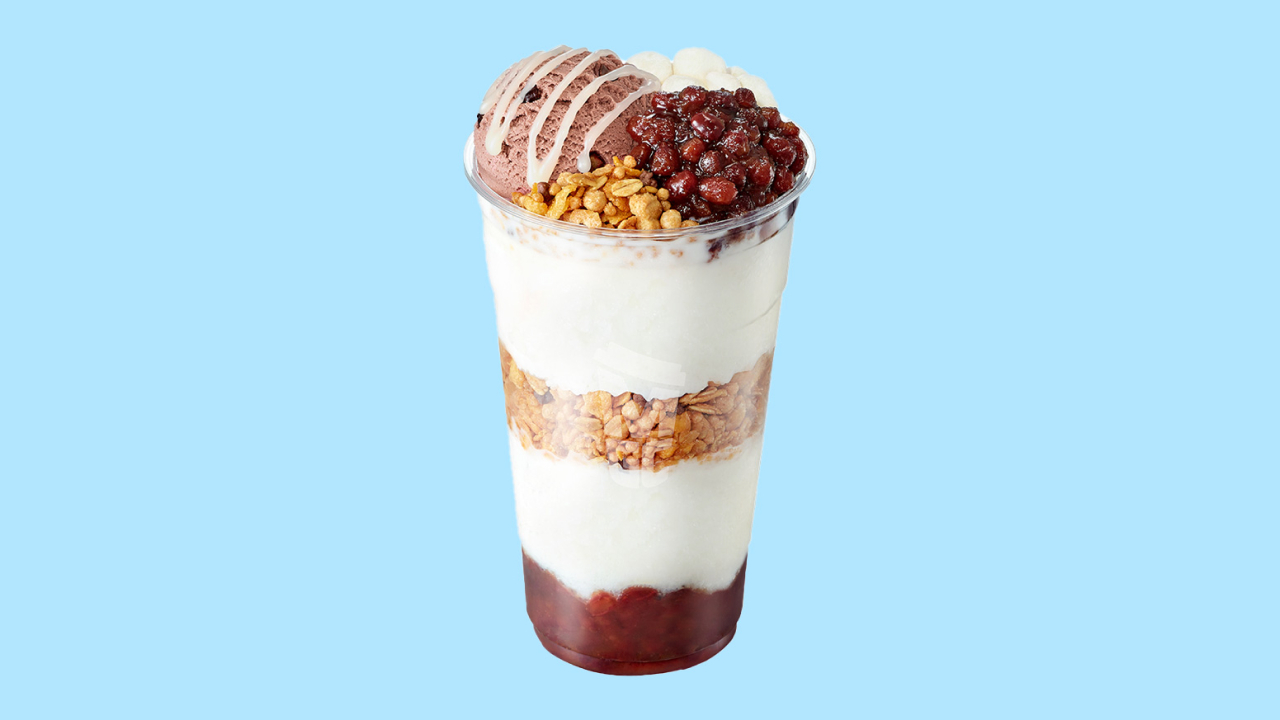
This article is by Lim Sun-young and read by an artificial voice. For 34-year-old office worker Koo, who lives alone in western Seoul, grocery shopping these days starts with one question: "Can I finish this in one meal?" "With prices already so high, it feels wasteful if food ends up being thrown away," Koo said. "I prefer foods that are inexpensive, convenient and easy to eat alone in small portions while still giving me some variety." Soaring prices, the rise of single-person households, and a growing preference for experiential consumption are fueling the spread of so-called micro consumption — purchasing that prioritizes small unit sizes. In response, the retail industry is rolling out a series of small-portion food products that break conventional expectations. According to the Ministry of Data and Statistics, consumer prices in April rose 2.6 percent from a year earlier, marking the steepest increase in 1 year and 9 months. The Korea Rural Economic Institute also identified "simplicity" as a key consumer value in its report on major food consumption trends for 2025 and 2026. "As production costs rise and companies face pressure to raise prices, expanding small-portion products has become an alternative way to reduce consumers' financial burden," an industry official said. The cafe industry is aggressively introducing single-serving cup bingsu, or shaved ice desserts, as a signature summer item after cup bingsu gained popularity last year at prices of 3,000 won to 4,000 won ($2 to $2.70), less than half the price of regular multi-serving bingsu. Budget coffee franchises, including Mega MGC Coffee, Paik's Coffee and Ediya Coffee, have launched cup bingsu earlier than last year while expanding their product lineups. Starbucks also recently introduced cup bingsu for the first time. Industry observers point to the rise of so-called bingsu-flation — a combination of bingsu and inflation — as a key factor behind the growing demand for value-for-money shaved-ice desserts. The price of apple mango bingsu at The Shilla Seoul hotel has climbed to 130,000 won this year, up 20,000 won from last year. Convenience stores are also introducing specialty menu items, such as sweet-and-spicy fried chicken, tteokbokki (spicy rice cake) and Korean beef seaweed soup, in cup-food formats. CU sells cup fried chicken portions weighing 220 grams (7.8 ounces) for 4,000 won and cup tteokbokki for 2,900 won, while GS25 offers refrigerated cup rice meals priced between 3,000 won and 5,000 won, along with instant cup soups in small portions for 1,500 won. "Sales of refrigerated cup rice meals rose 33.8 percent from a year earlier between January and April, while instant cup soup sales surged 167.4 percent," a GS25 representative said. "We plan to launch additional products, including cup noodles and cup tteokbokki, in the first half of this year in response to growing demand." Mini cakes are also gaining popularity. Sales of mini cakes at Emart bakeries between January and April rose 24.5 percent from a year earlier, while sales growth for whole cakes during the same period reached only 1 percent. Cafe and dessert chains, including Twosome Place and Baskin-Robbins, are also expanding mini cake product lines priced at around 10,000 won. Even products traditionally associated with bulk purchases — such as rice, pork belly and watermelon — are increasingly being sold in smaller portions. Lotte Mart now sells 1-kilogram (2.2-pound) bags of rice for 7,490 won and also offers small-portion meat products intended for single meals. At Emart, sales of sliced watermelon between January and April surged more than 1,000 percent from a year earlier. The range of sliced fruits sold at supermarkets is also expanding to include mangoes, peaches, melons and pineapples. Behind the trend is sharply rising food inflation. According to the Korea Agro-Fisheries & Food Trade Corporation and industry data, the average retail price of a 20-kilogram (44-pound) bag of ri...

This article is by Lim Sun-young and read by an artificial voice. For 34-year-old office worker Koo, who lives alone in western Seoul, grocery shopping these days starts with one question: "Can I finish this in one meal?" "With prices already so high, it feels wasteful if food ends up being thrown away," Koo said. "I prefer foods that are inexpensive, convenient and easy to eat alone in small portions while still giving me some variety." Soaring prices, the rise of single-person households, and a growing preference for experiential consumption are fueling the spread of so-called micro consumption — purchasing that prioritizes small unit sizes. In response, the retail industry is rolling out a series of small-portion food products that break conventional expectations. According to the Ministry of Data and Statistics, consumer prices in April rose 2.6 percent from a year earlier, marking the steepest increase in 1 year and 9 months. The Korea Rural Economic Institute also identified "simplicity" as a key consumer value in its report on major food consumption trends for 2025 and 2026. "As production costs rise and companies face pressure to raise prices, expanding small-portion products has become an alternative way to reduce consumers' financial burden," an industry official said. The cafe industry is aggressively introducing single-serving cup bingsu, or shaved ice desserts, as a signature summer item after cup bingsu gained popularity last year at prices of 3,000 won to 4,000 won ($2 to $2.70), less than half the price of regular multi-serving bingsu. Budget coffee franchises, including Mega MGC Coffee, Paik's Coffee and Ediya Coffee, have launched cup bingsu earlier than last year while expanding their product lineups. Starbucks also recently introduced cup bingsu for the first time. Industry observers point to the rise of so-called bingsu-flation — a combination of bingsu and inflation — as a key factor behind the growing demand for value-for-money shaved-ice desserts. The price of apple mango bingsu at The Shilla Seoul hotel has climbed to 130,000 won this year, up 20,000 won from last year. Convenience stores are also introducing specialty menu items, such as sweet-and-spicy fried chicken, tteokbokki (spicy rice cake) and Korean beef seaweed soup, in cup-food formats. CU sells cup fried chicken portions weighing 220 grams (7.8 ounces) for 4,000 won and cup tteokbokki for 2,900 won, while GS25 offers refrigerated cup rice meals priced between 3,000 won and 5,000 won, along with instant cup soups in small portions for 1,500 won. "Sales of refrigerated cup rice meals rose 33.8 percent from a year earlier between January and April, while instant cup soup sales surged 167.4 percent," a GS25 representative said. "We plan to launch additional products, including cup noodles and cup tteokbokki, in the first half of this year in response to growing demand." Mini cakes are also gaining popularity. Sales of mini cakes at Emart bakeries between January and April rose 24.5 percent from a year earlier, while sales growth for whole cakes during the same period reached only 1 percent. Cafe and dessert chains, including Twosome Place and Baskin-Robbins, are also expanding mini cake product lines priced at around 10,000 won. Even products traditionally associated with bulk purchases — such as rice, pork belly and watermelon — are increasingly being sold in smaller portions. Lotte Mart now sells 1-kilogram (2.2-pound) bags of rice for 7,490 won and also offers small-portion meat products intended for single meals. At Emart, sales of sliced watermelon between January and April surged more than 1,000 percent from a year earlier. The range of sliced fruits sold at supermarkets is also expanding to include mangoes, peaches, melons and pineapples. Behind the trend is sharply rising food inflation. According to the Korea Agro-Fisheries & Food Trade Corporation and industry data, the average retail price of a 20-kilogram (44-pound) bag of ri...

NOW PLAYING

Bingsu for one: Retailers roll out small-portion food products as inflation fuels 'micro consumption'

0:00 5:15

No transcript for this episode yet

We transcribe on demand. Request one and we'll notify you when it's ready — usually under 10 minutes.

No similar episodes found.

No similar podcasts found.

Frequently Asked Questions

How long is this episode of Korea JoongAng Daily - Daily News from Korea?

This episode is 5 minutes long.

When was this Korea JoongAng Daily - Daily News from Korea episode published?

This episode was published on May 9, 2026.

What is this episode about?

This article is by Lim Sun-young and read by an artificial voice. For 34-year-old office worker Koo, who lives alone in western Seoul, grocery shopping these days starts with one question: "Can I finish this in one meal?" "With prices already so...

Can I download this Korea JoongAng Daily - Daily News from Korea episode?

Yes, you can download this episode by clicking the download button on the episode player, or subscribe to the podcast in your preferred podcast app for automatic downloads.
URL copied to clipboard!