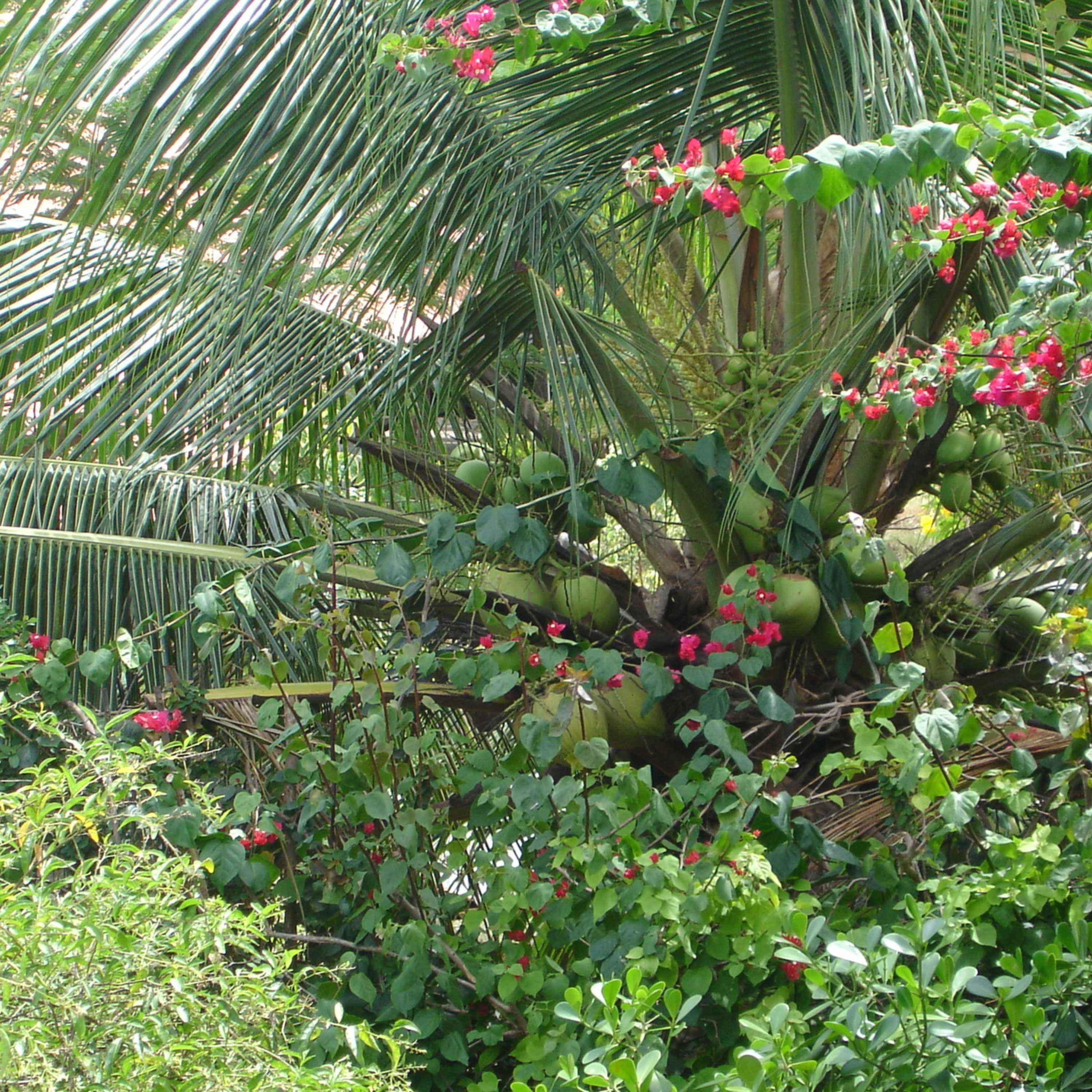
Bioeconomia. episode artwork

EPISODE · Nov 7, 2020 · 4 MIN

Bioeconomia.

from Podcasts de Ecologia/Composições musicais/NaturezaEcology Podcasts/Musical Compositions/Nature · host multimidiavillage

What is bioeconomics? There is no single definition of what the bioeconomy is, as it encompasses a wide variety of sectors that are adopting highly technological uses of biological processes and organic materials. “The bioeconomy is a paradigm shift. Basically, it is a life-based economy, ”says Marc Palahi, director of the European Forestry Institute. Palahi points out that oil is not only used for energy, but also for the production of a variety of products and materials, from plastics to fabrics. Examples of products from the bioeconomy in which petrochemicals are replaced by organic matter are from fabrics made from milk to plastics made from seaweed or shrimp shell. The term bioeconomics is also used to refer to more traditional uses of natural raw materials, such as wood, which can be used in buildings instead of carbon steel and concrete. “[In the bioeconomy], biomass or renewable resources from nature are used for products and services, instead of using non-renewable materials, such as oil and coal,” said Lauri Hetemäki, assistant director of the European Forestry Institute, in his speech at Bioeconomics Investment Summit, held in 2017 in Helsinki. When talking about bieconomics, it is very common to talk about circular economics as well, since with the bioeconomy it is possible to recycle agricultural and manufacturing by-products, using waste as a raw material.

What is bioeconomics? There is no single definition of what the bioeconomy is, as it encompasses a wide variety of sectors that are adopting highly technological uses of biological processes and organic materials. “The bioeconomy is a paradigm shift. Basically, it is a life-based economy, ”says Marc Palahi, director of the European Forestry Institute. Palahi points out that oil is not only used for energy, but also for the production of a variety of products and materials, from plastics to fabrics. Examples of products from the bioeconomy in which petrochemicals are replaced by organic matter are from fabrics made from milk to plastics made from seaweed or shrimp shell. The term bioeconomics is also used to refer to more traditional uses of natural raw materials, such as wood, which can be used in buildings instead of carbon steel and concrete. “[In the bioeconomy], biomass or renewable resources from nature are used for products and services, instead of using non-renewable materials, such as oil and coal,” said Lauri Hetemäki, assistant director of the European Forestry Institute, in his speech at Bioeconomics Investment Summit, held in 2017 in Helsinki. When talking about bieconomics, it is very common to talk about circular economics as well, since with the bioeconomy it is possible to recycle agricultural and manufacturing by-products, using waste as a raw material.

NOW PLAYING

Bioeconomia.

0:00 4:04

No transcript for this episode yet

We transcribe on demand. Request one and we'll notify you when it's ready — usually under 10 minutes.

No similar episodes found.

No similar podcasts found.

Frequently Asked Questions

How long is this episode of Podcasts de Ecologia/Composições musicais/NaturezaEcology Podcasts/Musical Compositions/Nature?

This episode is 4 minutes long.

When was this Podcasts de Ecologia/Composições musicais/NaturezaEcology Podcasts/Musical Compositions/Nature episode published?

This episode was published on November 7, 2020.

What is this episode about?

What is bioeconomics? There is no single definition of what the bioeconomy is, as it encompasses a wide variety of sectors that are adopting highly technological uses of biological processes and organic materials. “The bioeconomy is a paradigm...

Can I download this Podcasts de Ecologia/Composições musicais/NaturezaEcology Podcasts/Musical Compositions/Nature episode?

Yes, you can download this episode by clicking the download button on the episode player, or subscribe to the podcast in your preferred podcast app for automatic downloads.
URL copied to clipboard!