Biopic episode artwork

EPISODE · Dec 1, 2024 · 18 MIN

Biopic

from High Theory · host High Theory

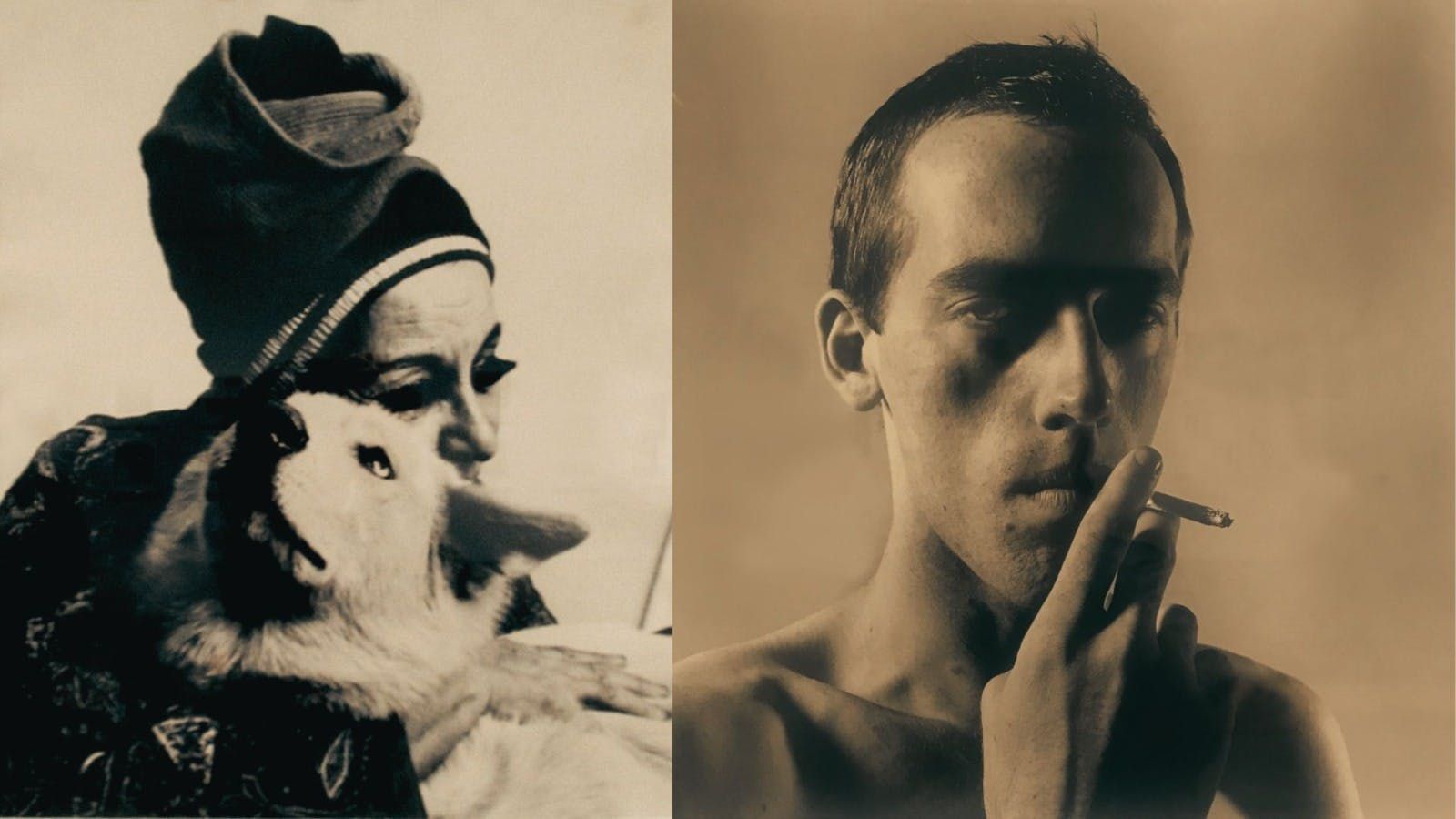
In this episode of High Theory, Laura Stamm talks about the biopic. One of the oldest forms of narrative cinema, biographical pictures are a mainstay of the medium today. Early biopics played an important role in public health discourse, representing the discoveries of science and the lives of scientists, which in turn led queer artists to adopt the genre in response to the AIDS crisis. Laura’s book, The Queer Biopic in the AIDS Era (Oxford UP, 2022), asks why queer filmmakers repeatedly produced biographical films of queer individuals living and dead throughout the years surrounding the AIDS crisis. These films evoke the genre's history building up lives worthy of admiration and emulation and the parallel history of representing lives damaged. By portraying lives damaged by inconceivable loss, queer filmmakers challenge the illusion of a coherent self presumably reinforced by the biopic genre and in doing so, their films open the potential for new means of connection and relationality. In the episode Laura references many films, including the Greta Garbo film Queen Christina (1933); Freud: The Secret Passion (1962); The Story of Louis Pasteur (1936); Dr. Ehrlich's Magic Bullet (1940); John Greyson’s musical Zero Patience (1993); and the Amy Winehouse biopic Back to Black (2024). Her research extends beyond the 1980s moment of crisis, and in the episode she gives a good explainer pre-code Hollywood and (briefly) the New Queer Cinema of the 1990s. If you were interested in this episode and want to learn more about queer representation in US popular culture, check out Margaret Galvan’s episode on Visibility. Laura Stamm is Assistant Professor of Health Humanities and Bioethics and Director of Diversity, Equity, and Inclusion for Department of Medicine at University of Rochester. She completed her PhD in Film and Media Studies and Gender, Sexuality, and Women's Studies at the University of Pittsburgh. Dr. Stamm's research interests broadly focuses on LGBTQ+ health, transgender studies, and medicine in visual culture. Beyond the book discussed here, her work has recently appeared in the edited collection New Queer Television: From Marginalization to Mainstream (Intellect Press, 2024) and Synapsis on “From the Clinic to the Talk Show: Narratives of Trans History in Framing Agnes.” The image for this episode shows photographs by Rob Corder of photographs by Peter Hujar of two queer artists, the sculptor Louise Nevelson and the writer, photographer, film maker, etc., David Wojnarowicz. Left: Peter Hujar, "Louise Nevelson (II), 1969". Gelatin silver print (1934-1987) Morgan Library. BAM Right: Peter Hujar, "David Wojnarowicz", 1981. Gelatin silver print (1934-1987) Menschel Collection. BAM Photos by Rob Corder. We do not own these images, but we do like them. Learn more about your ad choices. Visit megaphone.fm/adchoices

In this episode of High Theory, Laura Stamm talks about the biopic. One of the oldest forms of narrative cinema, biographical pictures are a mainstay of the medium today. Early biopics played an important role in public health discourse, representing the discoveries of science and the lives of scientists, which in turn led queer artists to adopt the genre in response to the AIDS crisis. Laura’s book, The Queer Biopic in the AIDS Era (Oxford UP, 2022), asks why queer filmmakers repeatedly produced biographical films of queer individuals living and dead throughout the years surrounding the AIDS crisis. These films evoke the genre's history building up lives worthy of admiration and emulation and the parallel history of representing lives damaged. By portraying lives damaged by inconceivable loss, queer filmmakers challenge the illusion of a coherent self presumably reinforced by the biopic genre and in doing so, their films open the potential for new means of connection and relationality. In the episode Laura references many films, including the Greta Garbo film Queen Christina (1933); Freud: The Secret Passion (1962); The Story of Louis Pasteur (1936); Dr. Ehrlich's Magic Bullet (1940); John Greyson’s musical Zero Patience (1993); and the Amy Winehouse biopic Back to Black (2024). Her research extends beyond the 1980s moment of crisis, and in the episode she gives a good explainer pre-code Hollywood and (briefly) the New Queer Cinema of the 1990s. If you were interested in this episode and want to learn more about queer representation in US popular culture, check out Margaret Galvan’s episode on Visibility. Laura Stamm is Assistant Professor of Health Humanities and Bioethics and Director of Diversity, Equity, and Inclusion for Department of Medicine at University of Rochester. She completed her PhD in Film and Media Studies and Gender, Sexuality, and Women's Studies at the University of Pittsburgh. Dr. Stamm's research interests broadly focuses on LGBTQ+ health, transgender studies, and medicine in visual culture. Beyond the book discussed here, her work has recently appeared in the edited collection New Queer Television: From Marginalization to Mainstream (Intellect Press, 2024) and Synapsis on “From the Clinic to the Talk Show: Narratives of Trans History in Framing Agnes.” The image for this episode shows photographs by Rob Corder of photographs by Peter Hujar of two queer artists, the sculptor Louise Nevelson and the writer, photographer, film maker, etc., David Wojnarowicz. Left: Peter Hujar, "Louise Nevelson (II), 1969". Gelatin silver print (1934-1987) Morgan Library. BAM Right: Peter Hujar, "David Wojnarowicz", 1981. Gelatin silver print (1934-1987) Menschel Collection. BAM Photos by Rob Corder. We do not own these images, but we do like them. Learn more about your ad choices. Visit megaphone.fm/adchoices

NOW PLAYING

Biopic

0:00 18:44

No transcript for this episode yet

We transcribe on demand. Request one and we'll notify you when it's ready — usually under 10 minutes.

Chewing the Fat with WorkForge WorkForge Bite-Sized Conversations for Building a Stronger Workforce Welcome to Chewing the Fat, a podcast delving deep into the world of food manufacturing. Dive into real conversations around critical topics like staffing, retention, onboarding, and career development in this essential industry. Subscribe now to gain insights from your peers, subject matter experts and more on the biggest issues facing food manufacturers today: -Hiring and retaining employees -Addressing the challenges of the Silver Tsunami -Improving time to productivity of new employees -Engaging employees from hire to retire And more... Tune in to Chewing the Fat, a WorkForge podcast, and join the conversation on how to build and sustain a resilient, high-performing workforce in food manufacturing. Sermons | Countryside Bible Church Countryside Bible Church At Countryside Bible Church, we equip believers to joyfully live holy lives, to serve one another, and to share the gospel of Jesus Christ, all to the glory of God. We are committed to a high view of God, and a high view of Scripture. IT IS WHAT IT IS with SHALLZ - SHALLY ZOMORODI Shally Zomorodi What?  "It is what it is" with ShallZ – Shally ZomorodiWhen? WeeklyHow long? 35 minutesEvery week, Mother of 4, wife, morning TV news anchor and ultimate hostess, Shally Zomorodi talks about life - its up's and downs and how to stay on track in her weekly podcast, ‘It is what it is.’  Known for her high energy, infectious smile and ability to see the cup as half full Shally talks about all things in life and how to work through its challenges. From parenting, marriage, friendships, current events to how to smile when it just seems impossible ‘It is what it is’ is the perfect podcast to help inspire you to dance through the rain. The Syndicate Blogcast: Startups | Startup Investing | Tech News | Angel Investors | VC | Venture Capital | Private Equity | Crowdfunding | Fundraising Matt Ward - Serial Entrepreneur | Angel Investor | Startup Advisor | Amazon Ecommerce The Syndicate Blogcast show is an extension of The Syndicate podcast, featuring long form articles on the future technology, ecommerce, business and life. The mini-sodes deconstruct high level startup, business and tech issues to help investors and operators better understand and win the market. Recurring topics include: Facebook, Google, Amazon, Apple, Ecommerce, Blockchains, ICOs, Cryptocurrencies, Marketing, Fundraising, Venture Capital, Startup Challenges, Business Development and more. The Blogcast comes in addition to The Syndicate - the place where investors and startups combine to create crazy businesses and even crazier returns. The Syndicate podcast is a deep dive on the angel investors and VCs behind the big name startups. We interview the best and brightest investors, syndicate leads, GPs, limited partners and startup founders to create an original, off the cuff discussion on startup investing.

Frequently Asked Questions

How long is this episode of High Theory?

This episode is 18 minutes long.

When was this High Theory episode published?

This episode was published on December 1, 2024.

What is this episode about?

In this episode of High Theory, Laura Stamm talks about the biopic. One of the oldest forms of narrative cinema, biographical pictures are a mainstay of the medium today. Early biopics played an important role in public health discourse,...

Can I download this High Theory episode?

Yes, you can download this episode by clicking the download button on the episode player, or subscribe to the podcast in your preferred podcast app for automatic downloads.
URL copied to clipboard!