
EPISODE · Oct 19, 2021 · 1H 3M
Books-in-Print talk with Alisa Freedman, Asian Studies, University of Oregon
from UO Today · host Oregon Humanities Center
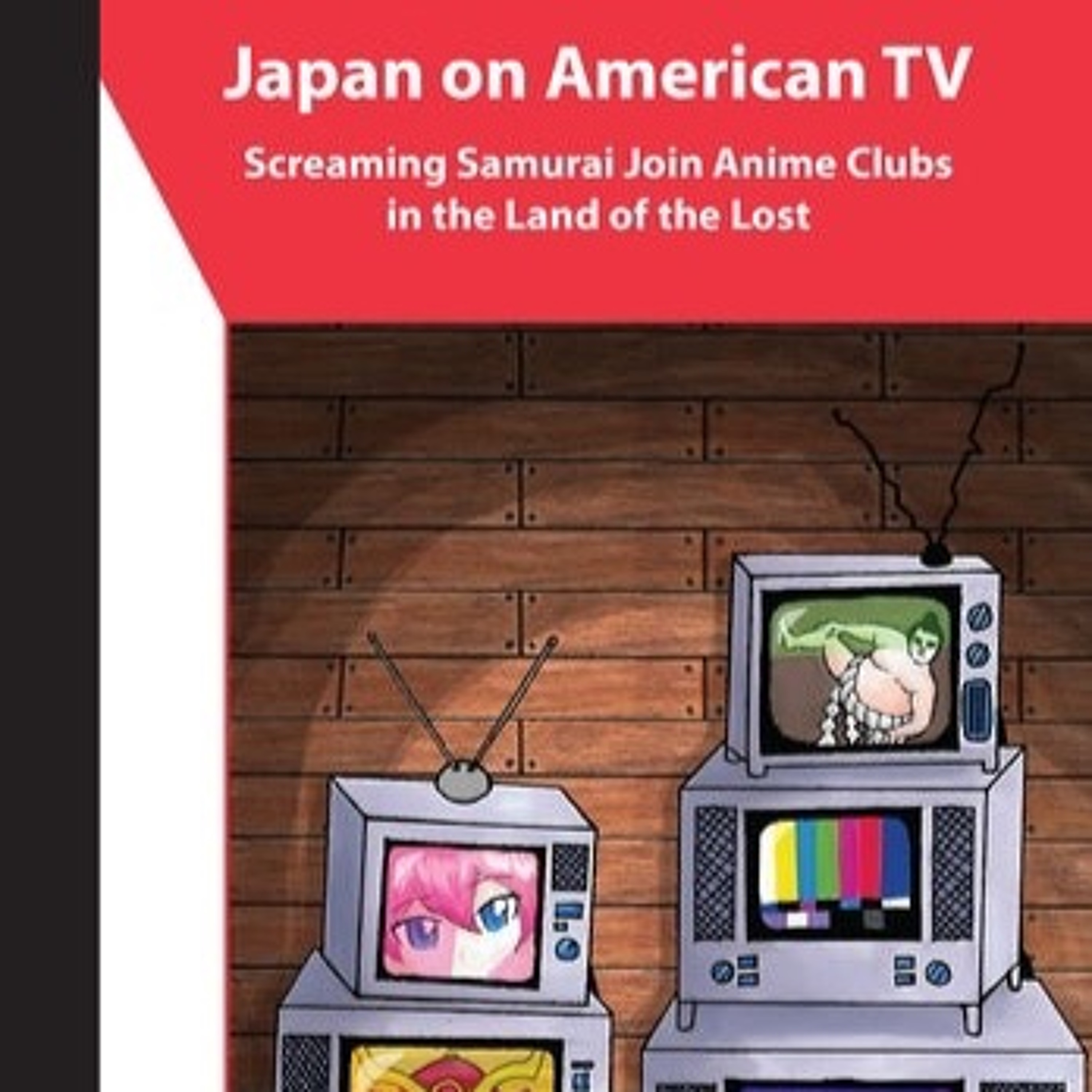
"Japan on American TV" explores political, economic, and cultural issues underlying depictions of Japan on U.S. television comedies and the programs they inspired. Since the 1950s, U.S. television programs have taken the role of “curators” of Japan, displaying and explaining selected aspects for viewers. Beliefs in U.S. hegemony over Japan underpin this curation process. "Japan on American TV" takes a historical perspective to understand the diversity of Japan parodies and examines six main categories of television portrayals representing different genres and comedic forms: (1) stereotypes of judo instructors (1950s and 1960s); (2) samurai parodies (prevalent in the 1970s); (3) the Bubble Economy Era in Sesame Street’s Big Bird in Japan (1988); (4) “Cool Japan” parodies (1990s through the present); (5) eager fans in sketch series (2010s); and (6) makeover reality shows (2019). These examples show changing patterns of cultural globalization and perpetuate national stereotypes while verifying Japan’s international influence. Television presents an alternative history of American fascinations with and fears of Japan.
Embed this episode
NOW PLAYING
Books-in-Print talk with Alisa Freedman, Asian Studies, University of Oregon
No transcript for this episode yet
Similar Episodes
No similar episodes found.
Similar Podcasts
No similar podcasts found.