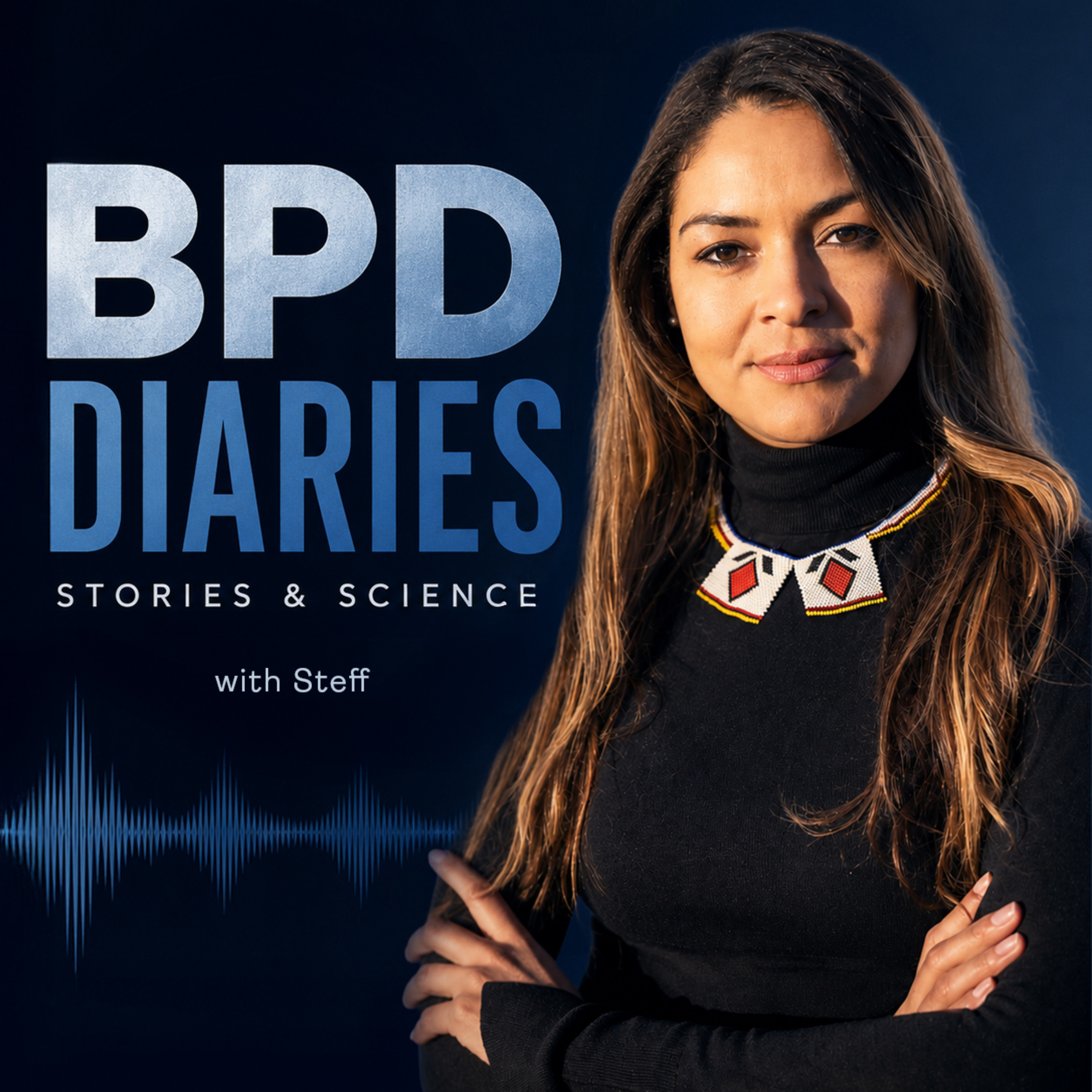
BPD Stigma | BPD Isn’t a Bad Word episode artwork

EPISODE · Aug 8, 2025 · 39 MIN

BPD Stigma | BPD Isn’t a Bad Word

from BPD Diaries: Stories and Science · host Stephanie Schildknecht

Why is Borderline Personality Disorder still so misunderstood?In this episode we explore the stigma surrounding BPD, from the media, to the police force, to mental health professionals. We look at structural stigma, public stigma, and self-stigma, exploring real stories, real harm, and how validation and awareness can lead to healing.🌱 Have questions, stories, or something you’d like us to cover? We’d love to hear from you. Email us at [email protected]⁠⁠⁠⁠⁠ and let’s keep the conversation going.🎧 Looking for guided meditations made for emotional regulation, BPD, and more? Check out our YouTube channel Empowered Heroes for free meditations created with love and care:⁠⁠⁠⁠⁠⁠⁠https://www.youtube.com/@Empoweredheroes⁠⁠⁠⁠⁠⁠⁠ Also available on ⁠⁠⁠⁠Spotify at Empowered Heroes Meditations⁠⁠⁠⁠.📩 For support on your BPD recovery journey with DBT-based skills and Mindfulness practices, email me for a free 30-Minute Consultation: ⁠[email protected]⁠ or check out the website: www.bpdsupport.org*If you or someone you care about is struggling with symptoms of BPD, know that you’re not alone. Support is out there, and healing is absolutely possible.📚 Referenced Research Includes:Aviram, R. B., Brodsky, B. S., & Stanley, B. (2006). Borderline personality disorder, stigma, and treatment implications. Harvard review of psychiatry, 14(5), 249-256. https://doi.org/10.1080/10673220600975121 Black, D. W., Pfohl, B., Blum, N., McCormick, B., Allen, J., North, C. S., ... & Zimmerman, M. (2011). Attitudes toward borderline personality disorder: a survey of 706 mental health clinicians. CNS spectrums, 16(3), 67-74. Doi:10.1017/C109285291200020XBlascovich, J., Mendes, W. B., Hunter, S. B., Lickel, B., & Kowai-Bell, N. (2001). Perceiver threat in social interactions with stigmatized others. Journal of personality and social psychology, 80(2), 253. https://doi.org/10.1037/0022-3514.80.2.253Brown, M. Z., Comtois, K. A., & Linehan, M. M. (2002). Reasons for suicide attempts and nonsuicidal self-injury in women with borderline personality disorder. Journal of abnormal psychology, 111(1), 198. https://doi.org/10.1037/0021-843X.111.1.198Choi-Kain, L. W., Reich, D. B., Masland, S. R., Iliakis, E. A., & Ilagan, G. S. (2020). Longitudinal course of borderline personality disorder: What every clinician needs to know. Current Treatment Options in Psychiatry, 7(3), 429-445.Corrigan, P. W. (2000). Mental health stigma as social attribution: Implications for research methods and attitude change. Clinical psychology: science and practice, 7(1), 48. https://doi.org/10.1093/clipsy.7.1.48Corrigan, P. W., & Penn, D. L. (1999). Lessons from social psychology on discrediting psychiatric stigma. American psychologist, 54(9), 765. https://doi.org/10.1037/0003-066X.54.9.765Corrigan, P. W., River, L. P., Lundin, R. K., Penn, D. L., Uphoff-Wasowski, K., Campion, J.,.. & Kubiak, M. A. (2001). Three strategies for changing attributions about severe mental illness. Schizophrenia bulletin, 27(2), 187-195. https://doi.org/10.1093/oxfordjournals.schbul.a006865Couture, S., & Penn, D. (2003). Interpersonal contact and the stigma of mental illness: A review of the literature. Journal of mental health, 12(3), 291-305. https://doi.org/10.1080/09638231000118276Pettigrew, T. F., & Tropp, L. R. (2008). How does intergroup contact reduce prejudice?Watson, A. C., Otey, E., Westbrook, A. L., Gardner, A. L., Lamb, T. A., Corrigan, P. W., & Fenton, W. S. (2004). Changing middle schoolers' attitudes about mental illness through education. Schizophrenia bulletin, 30(3), 563-572. https://doi.org/10.1093/oxfordjournals.schbul.a007100

Why is Borderline Personality Disorder still so misunderstood?In this episode we explore the stigma surrounding BPD, from the media, to the police force, to mental health professionals. We look at structural stigma, public stigma, and self-stigma, exploring real stories, real harm, and how validation and awareness can lead to healing.🌱 Have questions, stories, or something you’d like us to cover? We’d love to hear from you. Email us at [email protected]⁠⁠⁠⁠⁠ and let’s keep the conversation going.🎧 Looking for guided meditations made for emotional regulation, BPD, and more? Check out our YouTube channel Empowered Heroes for free meditations created with love and care:⁠⁠⁠⁠⁠⁠⁠https://www.youtube.com/@Empoweredheroes⁠⁠⁠⁠⁠⁠⁠ Also available on ⁠⁠⁠⁠Spotify at Empowered Heroes Meditations⁠⁠⁠⁠.📩 For support on your BPD recovery journey with DBT-based skills and Mindfulness practices, email me for a free 30-Minute Consultation: ⁠[email protected]⁠ or check out the website: www.bpdsupport.org*If you or someone you care about is struggling with symptoms of BPD, know that you’re not alone. Support is out there, and healing is absolutely possible.📚 Referenced Research Includes:Aviram, R. B., Brodsky, B. S., & Stanley, B. (2006). Borderline personality disorder, stigma, and treatment implications. Harvard review of psychiatry, 14(5), 249-256. https://doi.org/10.1080/10673220600975121 Black, D. W., Pfohl, B., Blum, N., McCormick, B., Allen, J., North, C. S., ... & Zimmerman, M. (2011). Attitudes toward borderline personality disorder: a survey of 706 mental health clinicians. CNS spectrums, 16(3), 67-74. Doi:10.1017/C109285291200020XBlascovich, J., Mendes, W. B., Hunter, S. B., Lickel, B., & Kowai-Bell, N. (2001). Perceiver threat in social interactions with stigmatized others. Journal of personality and social psychology, 80(2), 253. https://doi.org/10.1037/0022-3514.80.2.253Brown, M. Z., Comtois, K. A., & Linehan, M. M. (2002). Reasons for suicide attempts and nonsuicidal self-injury in women with borderline personality disorder. Journal of abnormal psychology, 111(1), 198. https://doi.org/10.1037/0021-843X.111.1.198Choi-Kain, L. W., Reich, D. B., Masland, S. R., Iliakis, E. A., & Ilagan, G. S. (2020). Longitudinal course of borderline personality disorder: What every clinician needs to know. Current Treatment Options in Psychiatry, 7(3), 429-445.Corrigan, P. W. (2000). Mental health stigma as social attribution: Implications for research methods and attitude change. Clinical psychology: science and practice, 7(1), 48. https://doi.org/10.1093/clipsy.7.1.48Corrigan, P. W., & Penn, D. L. (1999). Lessons from social psychology on discrediting psychiatric stigma. American psychologist, 54(9), 765. https://doi.org/10.1037/0003-066X.54.9.765Corrigan, P. W., River, L. P., Lundin, R. K., Penn, D. L., Uphoff-Wasowski, K., Campion, J.,.. & Kubiak, M. A. (2001). Three strategies for changing attributions about severe mental illness. Schizophrenia bulletin, 27(2), 187-195. https://doi.org/10.1093/oxfordjournals.schbul.a006865Couture, S., & Penn, D. (2003). Interpersonal contact and the stigma of mental illness: A review of the literature. Journal of mental health, 12(3), 291-305. https://doi.org/10.1080/09638231000118276Pettigrew, T. F., & Tropp, L. R. (2008). How does intergroup contact reduce prejudice?Watson, A. C., Otey, E., Westbrook, A. L., Gardner, A. L., Lamb, T. A., Corrigan, P. W., & Fenton, W. S. (2004). Changing middle schoolers' attitudes about mental illness through education. Schizophrenia bulletin, 30(3), 563-572. https://doi.org/10.1093/oxfordjournals.schbul.a007100

NOW PLAYING

BPD Stigma | BPD Isn’t a Bad Word

0:00 39:57

No transcript for this episode yet

We transcribe on demand. Request one and we'll notify you when it's ready — usually under 10 minutes.

MG Show MG Show The MG Show, hosted by Jeffrey Pedersen and Shannon Townsend, is a leading alternative media platform dedicated to uncovering the truth behind today’s most pressing political issues. Launched in 2019, the show has grown exponentially, offering unfiltered insights, comprehensive research, and real-time analysis. With a commitment to independent journalism and factual integrity, the MG Show empowers its audience with knowledge and encourages active participation in the political discourse. Breaking News Show | eTurboNews Juergen Thomas Steinmetz News is relevant to the global travel and tourism industry, human rights and global issues.Breaking news when it happens and only from the source. Eat to Live Jenna Fuhrman, Dr. Fuhrman Our health is our most precious gift and smart nutrition can change your life. Each month, join Dr. Fuhrman and his daughter, Jenna Fuhrman as they discuss important topics in the world of nutrition. Eat to Live will change the way you eat and think about food. French Your Way Jessica: Native French teacher founder of French Your Way Boost your French listening skills and test your comprehension with this one of a kind series of podcasts. Get the chance to listen to a real conversation between native speakers talking at normal speed AND customise your learning experience through carefully designed sets of questions (2 levels of difficulty) available for download at www.frenchvoicespodcast.com. All interviews also come with the transcript. French teacher Jessica interviews native speakers of French from around the world who share a bit of their life and passion. Where else would you meet in one same place a French yoga teacher based in Melbourne, a soap manufacturer from Provence, or a couple cycling around the world?

Frequently Asked Questions

How long is this episode of BPD Diaries: Stories and Science?

This episode is 39 minutes long.

When was this BPD Diaries: Stories and Science episode published?

This episode was published on August 8, 2025.

What is this episode about?

Why is Borderline Personality Disorder still so misunderstood?In this episode we explore the stigma surrounding BPD, from the media, to the police force, to mental health professionals. We look at structural stigma, public stigma, and self-stigma,...

Can I download this BPD Diaries: Stories and Science episode?

Yes, you can download this episode by clicking the download button on the episode player, or subscribe to the podcast in your preferred podcast app for automatic downloads.
URL copied to clipboard!