
EPISODE · May 6, 2026 · 3 MIN
Brace for the accelerating inflation shock
from Korea JoongAng Daily - Daily News from Korea
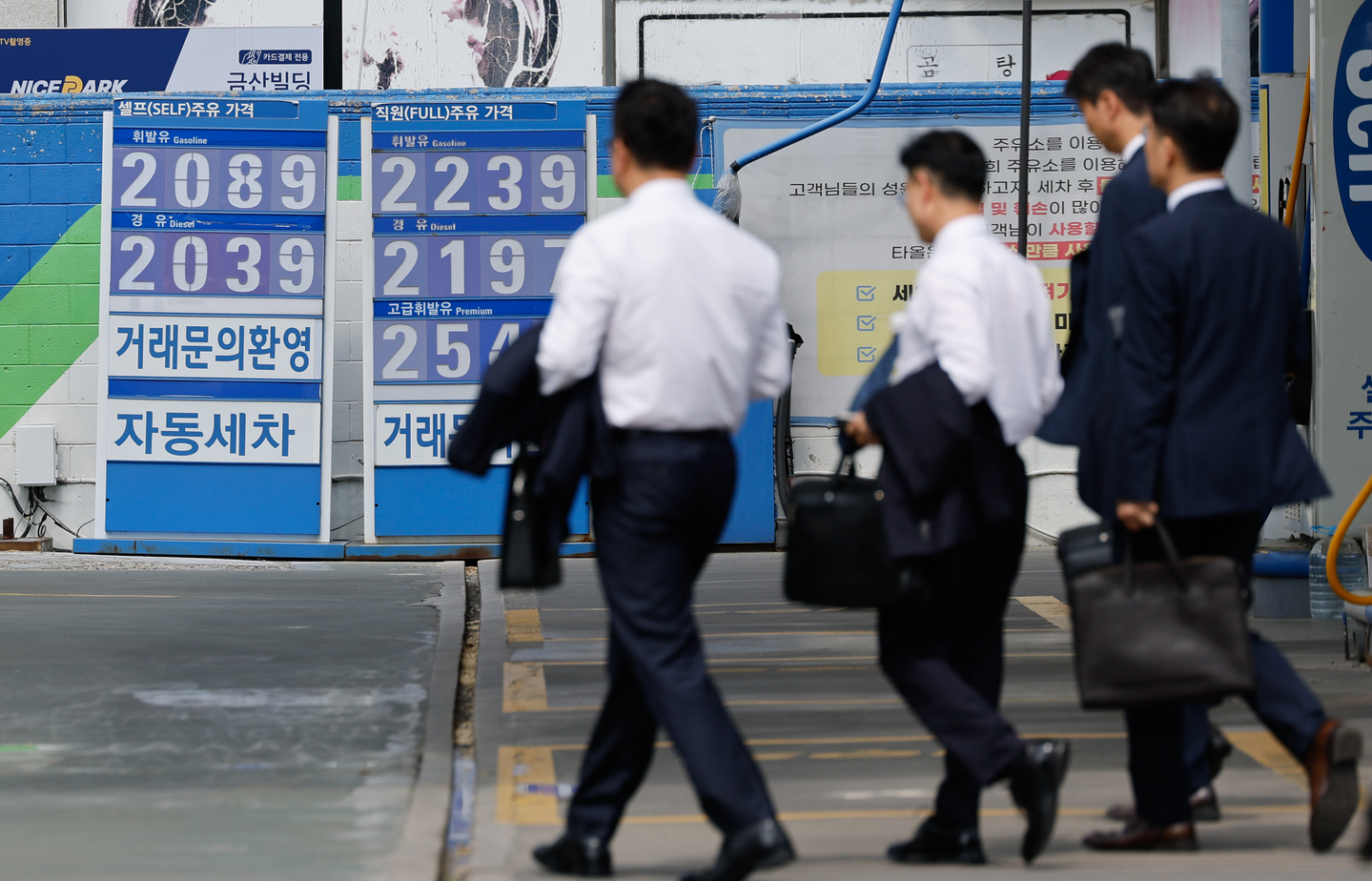
Inflation pressures stemming from the Middle East war are becoming increasingly difficult to ignore. According to April consumer price data released Wednesday by the Ministry of Data and Statistics, prices rose 2.6 percent from a year earlier, marking the steepest increase in one year and nine months. Rising global oil prices were the primary driver, with petroleum products surging more than 20 percent. There is growing concern that inflation could accelerate further after May. Strategic petroleum reserves and crude inventories, which had previously softened the impact of soaring oil prices, are reportedly nearing their limits in many countries. The Financial Times recently pointed to late May as a possible tipping point for another sharp rise in oil prices. Containing inflation caused by supply shocks such as oil price spikes is never easy. Premature monetary tightening risks triggering stagflation — a combination of high inflation and stagnant growth. Yet some level of tightening may still be unavoidable if policymakers hope to contain inflation expectations fueled by oil market instability. Recent remarks by Yoo Sang-dai, senior deputy governor of the Bank of Korea, were widely interpreted as signaling a possible shift toward tighter monetary policy. During a recent news conference, Yoo said the time may have come to stop cutting interest rates and consider raising them instead. The rise in long-term U.S. Treasury yields above 5 percent has added to market anxiety, raising fears of weakening investment and consumer activity. Even if not immediate, economic actors should prepare for the possibility of higher benchmark interest rates in the second half of the year. Rising rates increase the cost of speculative investment financed through debt and raise the risk of sudden corrections in overheated asset markets. The Kospi surged more than 6 percent Wednesday, closing above the 7,000 mark for the first time ever, only 70 days after surpassing 6,000. Yet this is hardly a moment for celebration. Margin loans in the domestic stock market — often viewed as a key indicator of debt-driven investment — have climbed to around 36 trillion won ($24.5 billion), based on an exchange rate of 1,470 won to the dollar. Investors themselves now need to fasten their seat belts and focus on risk management. Coordination between the government and the central bank will also become increasingly important. During his confirmation hearing, Shin Hyun-song indicated that if inflation and growth objectives conflict, price stability should take priority. By contrast, President Lee Jae Myung recently criticized fiscal conservatives on social media for repeatedly "singing the song of austerity." His remarks were widely interpreted as dismissing criticism of the government's expansionary fiscal stance. Many now worry that the administration's aggressive spending policies could clash with the Bank of Korea's emphasis on inflation control. Fiscal policy must therefore remain balanced and restrained so that government spending does not further destabilize prices. This article was originally written in Korean and translated by a bilingual reporter with the help of generative AI tools. It was then edited by a native English-speaking editor. All AI-assisted translations are reviewed and refined by our newsroom.
Embed this episode
NOW PLAYING
Brace for the accelerating inflation shock
No transcript for this episode yet
Similar Episodes
Apr 16, 2026 ·22m
Similar Podcasts
No similar podcasts found.