
EPISODE · Dec 12, 2024 · 18 MIN
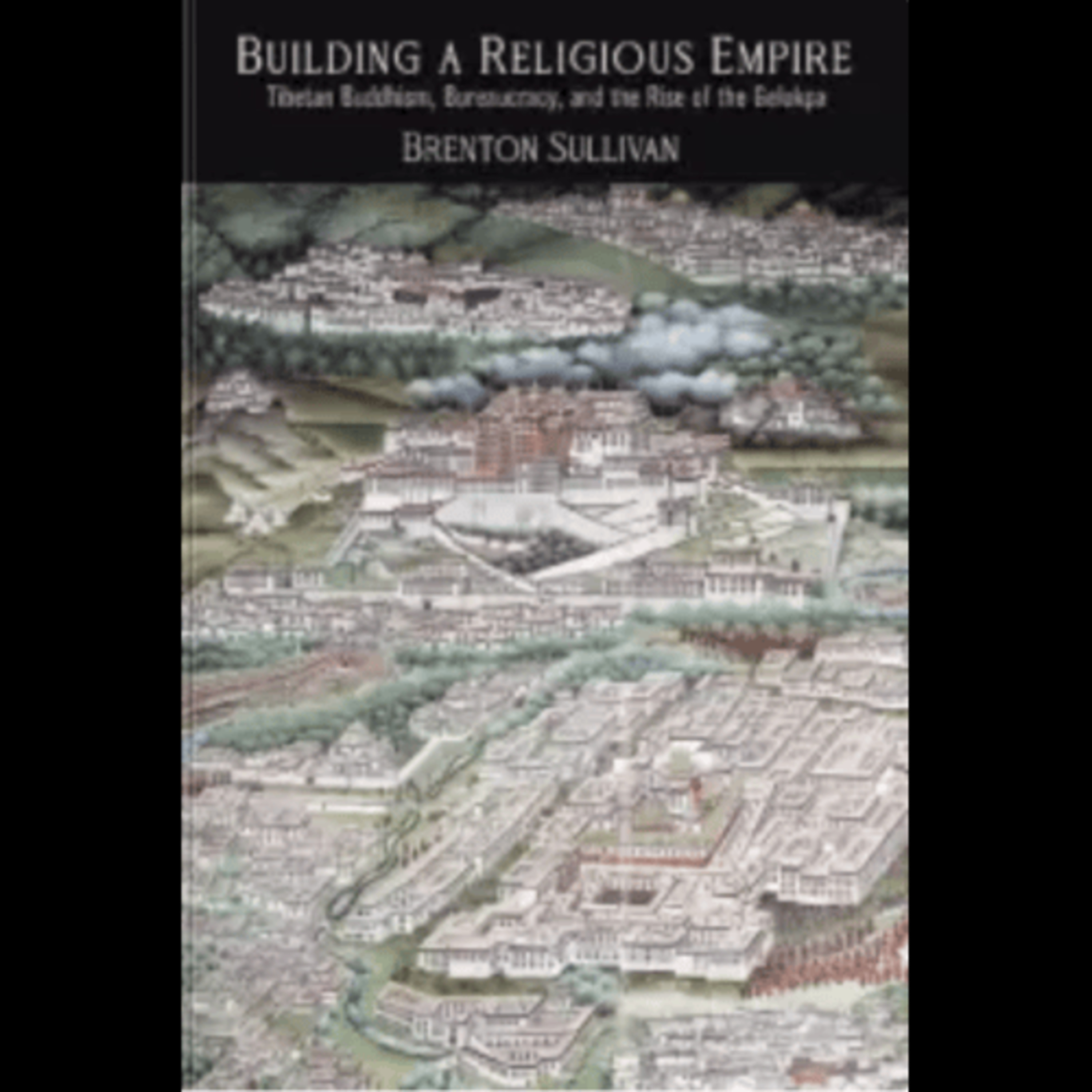
Brenton Sullivan, "Building a Religious Empire: Tibetan Buddhism, Bureaucracy, and the Rise of the Gelukpa," (University of Pennsylvania Press, 2020)
from The New East Asian Studies Podcasts in the Age of AI · host Barton Qian
The vast majority of monasteries in Tibet and nearly all of the monasteries in Mongolia belong to the Geluk school of Tibetan Buddhism, best known through its symbolic head, the Dalai Lama. Historically, these monasteries were some of the largest in the world, and even today some Geluk monasteries house thousands of monks, both in Tibet and in exile in India. In Building a Religious Empire, Brenton Sullivan examines the school's expansion and consolidation of power along the frontier with China and Mongolia from the mid-seventeenth through the mid-eighteenth centuries to chart how its rise to dominance took shape. In contrast to the practice in other schools of Tibetan Buddhism, Geluk lamas devoted an extraordinary amount of effort to establishing the institutional frameworks within which everyday aspects of monastic life, such as philosophizing, meditating, or conducting rituals, took place. In doing so, the lamas drew on administrative techniques usually associated with state-making―standardization, record-keeping, the conscription of young males, and the concentration of manpower in central cores, among others―thereby earning the moniker "lama official," or "Buddhist bureaucrat." The deployment of these bureaucratic techniques to extend the Geluk "liberating umbrella" over increasing numbers of lands and peoples leads Sullivan to describe the result of this Geluk project as a "religious empire." The Geluk lamas' privileging of the monastic institution, Sullivan argues, fostered a common religious identity that insulated it from factionalism and provided legitimacy to the Geluk project of conversion, conquest, and expansion. Ultimately, this system succeeded in establishing a relatively uniform and resilient network of thousands of monasteries stretching from Nepal to Lake Baikal, from Beijing to the Caspian Sea. Building a Religious Empire Brenton Sullivan Geluk school of Tibetan Buddhism Dalai Lama and Geluk monasteries Tibetan Buddhism in Mongolia and China Expansion of Geluk religious empire Buddhist bureaucrat and lama officials Monastic institution in Tibetan Buddhism Geluk administrative techniques Tibetan monasticism and state-making Historical spread of Geluk Buddhism Religious identity and conversion Monastic networks in Asia Buddhism and power consolidation Tibetan Buddhist expansion in China Buddhism's influence on Central Asia East Asian Studies Podcast Tibetan Studies Tibetan Religious History
Embed this episode
Ready to play
Brenton Sullivan, "Building a Religious Empire: Tibetan Buddhism, Bureaucracy, and the Rise of the Gelukpa," (University of Pennsylvania Press, 2020)
No transcript for this episode yet
Similar Episodes
No similar episodes found.
Similar Podcasts
No similar podcasts found.