oh i knew you heard the sounds of belby of devoe in the background singing poison this brings back so many memories from my young adult years even my childhood new edition belby of devoe going to concerts enjoying their music sarah you're not jumping in here i mean i'm learning from you i think this is a bit before my time old neil okay so we're gonna move on to today's topic here i knew the chorus you know the poison yeah you remember new edition sure i don't know i don't want to finish this talk later yeah we'll do this yeah yeah you do you do if you don't remember but i did enjoy watching you dance since that song came on you saw the memories plug back but on this edition of bringing it home with sarah and tenille we're actually not talking about 90s hip-hop we are actually talking about a very serious topic which is poison actually it is and and we chose this topic because the week of march 17th through 24th is actually um national poison prevention week it is but it's just a week but it's a thing we need to be aware of all year long because poisoning can happen anytime and a lot of people may not even realize that this is a thing right right and it happens right i found it really interesting as we were preparing for this um talk that the tennessee poison prevention hotline actually gets over 127 000 calls a year i have no idea i mean that's a lot that is a lot of people that are having a frightening moment dealing with a poison issue um that can it be a household product over medication right or insect bites i mean i just had no idea the volume of calls that were being made and this doesn't include 9-1-1 we're talking about calls specifically to this hotline that deals only with poison issues and we're going to give out that number uh throughout our podcast so get something right with because you'll want to make a note of this and then post it on your refrigerator or something because you never know when you're going to need it exactly um one of the things that i found amazing is the different types of poisoning that affect different age groups for example the poison calls that they get dealing with adolescents and young adults have to do mainly with overdoses and suicide attempts which is very sad and with the older population many of the calls have to do with medication mixing or taking the wrong dosages you know maybe you took your medicine and forgot you took it and then you take it again and you know you're in a situation that could be fatal well all of those situations are extremely frightening they are they are so this is a very important number to have this is a very important center the tennessee poison center and so we just want to kind of you know discuss some things that might help us to avoid some of these situations hopefully in our own homes yeah i think we need to make every effort to i guess you could say poison proof your home poison proof your home as much as you possibly can the good thing is a lot of household products now are they're in safety packages that's true you know and some of these are to protect against poisoning by little kids who don't know any different and then some things people are using intentionally in a way that shouldn't be right um so they're having to put everything from detergent to other cleaners and things that are um you know safety package for sure yes that's a great feature that is being added to a lot of products for sure another thing you know when you do open these the safety feature you need to know how to close them again properly yeah don't just throw it in a ziplock or whatever and put it under the counter because it's easier yeah people take those shortcuts because you know it takes us a minute to get in these safety products but you know we're defeating the purpose if we don't close them back or you know we try to make it quick for us to get in we're also making it quick for somebody else to get in yes that could you know use it as it's intended that's right that's right um just really keeping things out of the way of your children and that's not easy by the time they get big enough to open cabinets and climb on top of things to reach things it's not right hard it is it can be really difficult you really need to be intentional about this because not everything has a safety feature on it right and a lot of cleaning products and things can look like a gatorade or you know you think about like floor cleaner may be the same color as a yellow gatorade or something like that and kids don't know that it's something that could be harmful because they can't read the packaging number one if it's a very young child and you know we have done these activities out in the community where we do the look-alike jars you know where we'll have pine saw in one jar and applesauce in one jar not label not applesauce apple juice you'll be able to tell the difference between applesauce and pine saw but apple juice and pine saw look very similar now one is slightly darker than the other but when you don't have a label and they're sitting side by side it's hard for you to determine which is which now as an adult i know what pine saw smells like yes very true if a child may not or wouldn't no a child would not know and other things that are the same colors windshield washer fluid and some of the blue drinks right and the same with medicine we need to keep that um out of sight locked up if preferably you know even if you have teenage children around i mean kids experience with stuff and we don't want to have it at their you know disposal to use yeah you know we see commercials about um and read things about where most kids that use over-the-counter drugs and prescription drugs they misuse them they give them their own homes right and that's scary it is so we definitely need to make sure that we're taking care of that kind of stuff um keep them in their original container so that you can know what's what um also never ever put medicine or any kind of chemical in like a cup or a soft drink bottle that's scary yes because somebody could come along and completely mistake that for something else so you know just store it in the proper containers and put them in the right place one thing they tell us not to do is to refer to our medicine as candy you know many times a grandmother or mother will tell children i've got to take my candy now i'm not going to use the word medicine well when the child sees that unattended medicine they think it's candy just like any other candy that they eat and so we're born not to refer to medicine as candy ever yeah i don't think any parent would oh gosh you feel so bad if your child mistook that you know definitely read the labels on your medicines and household products you know and just be aware of what you're bringing into your home yeah there's a place for it you just need to be aware there is and you know even unintentional poisonings that could happen to us ourselves you know we need to make sure we turn on the lights when we're taking medication oh gosh yes you don't need to be grappling around in the dark grabbing pills and you know grab the wrong thing and take it yeah that's right because you can end up with an emergency that could have been avoided if we had just you know put some light in the room um so that we could read and see what we were taking right that's scary or when we're giving our children their medicine you know it could be at night we could be sleeping say oh i didn't give her medicine i roll over get something out of a bottle give it to her and it could be you know the wrong thing or the wrong amount that's right for sure yes also just be aware of your children watching you so this is geared more towards a toddler or small child if they see you giving yourself medicine they may think that they can do that you know so we need to keep it up and only let the adult in the house do that um don't store things under the sink when you have small kids roaming around unless you're gonna lock that cabinet up yeah it's an inconvenience once again to us yep but it might save our child's life that's exactly right yeah and you know if you're using a household product you know cleaner or whatever you happen to be doing and the phone rings or the doorbell rings or something like that take it with you or your child can get into it i mean just that quick i mean you turn away for just a moment and your child has gotten into something that you have so make sure you secure those items even if you're just gonna be gone for a few blinks you know that's all it takes for a poisoning to happen and we don't ever want that to be the case oh you know and you hear a lot of times if you suspect that your child or you have done taken something you didn't need to you wanted to throw it back up well the poison center actually says do not do that unless you've been instructed to do so by um someone at their call center or by a physician because that differs uh depending on what the poison is right because something could be harmful coming up right and you don't want to do that so you don't want to induce vomiting unless instructed to by a trained professional or a medical person and we're going to chat a little bit more about this topic but let me pause and give the phone number for the poison helpline and you can call this directly if you suspect a poison or if you know there's been one the number's toll free it's 1-800-222-1222 and they even had a little song about it one time 1-800-222-1222 did i sing that right yes okay i've never heard that you were really in your music that was a commercial it was a commercial it was a commercial it was a commercial it was not the hotline would open back in the 90s so no i don't think it was at least um so make sure that phone number is kept near the phone like sarah was suggesting on the refrigerator um somewhere near the telephone somewhere that you can get to it quickly you can even program it in your cell phone you could poison it could be in your phone under poison or if your children if you have a babysitter coming over or a grandparent or something like that you're not going to be home you need to have this listed on those important phone numbers anyway for those people so make sure that they know to do that and the good thing about it the poison center is there 24 hours a day yeah so just like they're there anytime you need them and they've got the most current accurate information on what to do if you suspect a poison right it's great to know that they're always available yes and also the tennessee poison center they do a lot of outreach so you know if your organization is wanting to you know help get the word out about the poison help line um they have brochures they've got phone stickers that you can put right on your phone they've got refrigerator magnets that you can put up um pencils yeah they'll also come out to your school or your organization and do presentations for parents and teachers you know they want to keep people safe from poisoning i'm sure they they would like to see that number of callers actually decrease they would you know they would but they're definitely there to help if you do suspected poisoning um don't wait to see what ill effect is going to take place if you just even suspect it you need to get on the phone and make that toll free phone call to the tennessee poison center or get to the doctor yes no asap do not wait and say well we'll see what happens if they get sick we'll know because it may be too late exactly and just so you know the tennessee poison center is a program of vanderbilt university medical center so they've got some good medical backing for the you know the information that they give you when you call this hotline right so and a lot of people don't realize this either it's not just for medication or chemicals it could be for a snake or spider bite yeah you know so don't hesitate to call if they can't help you they'll tell you what to do they will so i'm gonna give this number one more time just so everybody can get it 1-800-222-1222 that's the poison helpline that you need to call they're there 24 hours a day uh spread the word since this is national poisoning awareness week uh we want to keep people safe that's exactly right that's the goal for this week and the goal anytime so hopefully you've got some good tips thank you for joining us on this episode of bringing it home with sarah and teneal and in the words of bob marley live the life you love and love the life you live bye bye
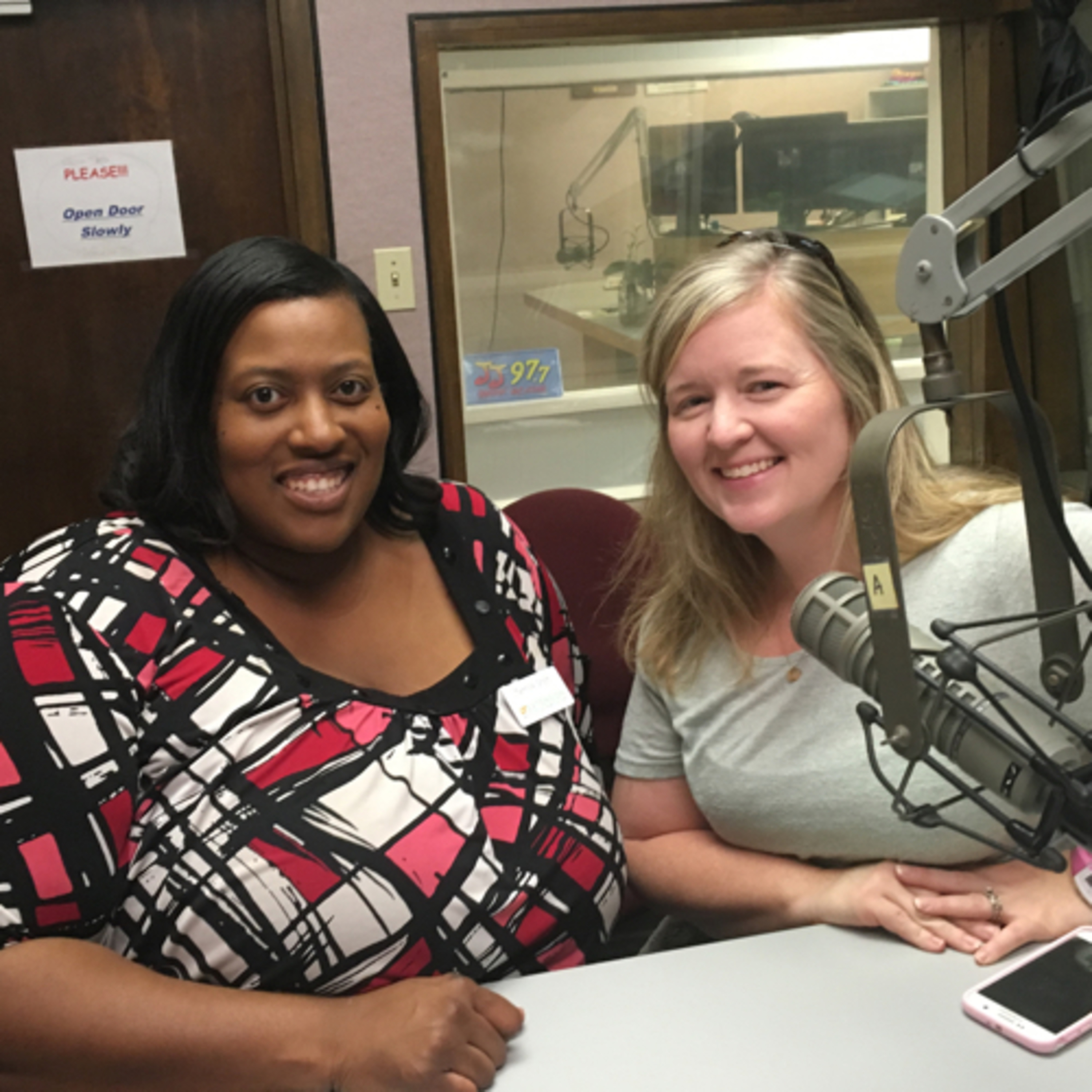
Bringing it Home: Poison Prevention Week
from UTIAg Hosted by UTIAg
This is National Poison Prevention Week. Is your family safe from accidental poisonings in the home? On this episode of “Bringing it Home,” Sarah and Tennille look at ways to be sure and what to do if it happens.
Embed this episode
of
matches
Transcript Auto-generated, may contain errors
Frequently asked questions
How long is this episode of UTIAg?
This episode is 13 minutes long.
When was this UTIAg episode published?
This episode was published on March 18, 2019.
Is there a transcript available for this episode?
Yes, a full transcript is available for this episode. You can read the complete transcript on the episode page.
Can I download this UTIAg episode?
Yes. Use the download control on the episode player to save the publisher-provided media file.