
EPISODE · Nov 4, 2021 · 0 MIN
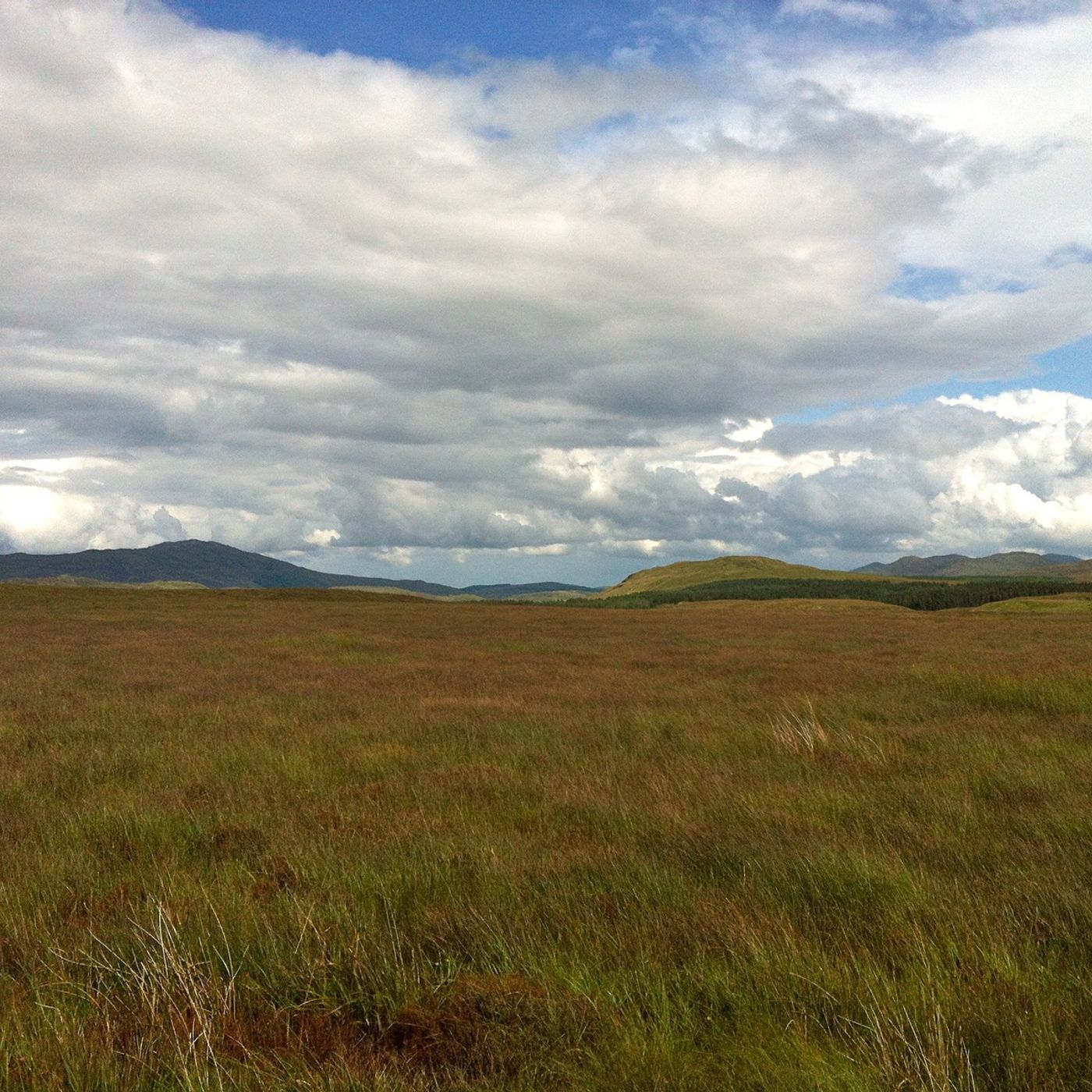
BSW3 21. View of the glens
from Racontour Archive - 2020 onwards · host Racontour and friends
Speaker: Sean McMahonFrom the Bluestack Way Part 3 playlist. View From the rock outcrops at the top of the hill, fine views can be had of the glens with the town nestling quietly below. In the valley, the Owenea river flows from east to west passing Glenties on towards Ardara to enter the Atlantic ocean. To the right is Lough Anna from where the town gets its water supply. it is said that the monks used to have a resting place on an island in this lough whilst ministering to their flock in this region. Appinites Standing on the ridge before this descent into the valley, take time to look at the rock outcrops which are part of an interesting geological feature known as Appinites. The hills immediately south of Glenties are made up of an igneous rock called appinite (after the Appin region in Scotland where these rocks are particularly abundant). These rocks are part of the fiery geological history of Donegal. At the culmination of the continental collisions around 410 million years ago, vast volumes of hot magma rose through the crust to cool slowly within the metamorphic rocks already present to form granite. Donegal contains ten large granite masses, one of which named Barnesmore granite is seen at Barnesmore. Slightly earlier, but intimately related to the large granite masses that make up much of Donegal, are the much smaller appinite bodies that can be seen here. The Appinite magma was generated by melting rocks deep in the Earth's interior, termed mantle rocks. It is thought that the special conditions that are often present near the end of continental collision are necessary to create the magma. The magma then rose and cooled, crystals started to form and were carried along with the rising magma. Among the earliest minerals to crystalize were a greenish black mineral called hornblende which in places nearly entirely makes up the rock. As only minor amounts of white feldspar crystallised with the hornblende, the rock is very dark in colour. The shape of the hornblende crystals indicates that they formed extremely rapidly from the magma. With certain crystals constantly being crystallized or extracted from the magma, the residual magma constantly changes and becomes less voluminous. This can mean that rock that forms from the magma early on can be completely different from the rocks that form later. In the Appinite just south of Glenties later batches of magma have intruded rock that formed much earlier (hornblende-rich rock) in the form of thin criss-crossing veins. These later veins stand out on the rock surface. They are light-coloured because they are made up almost entirely by feldspar with minor amounts of other minerals. These veins probably represent rock that crystallised from the last fraction of the magma. Many examples of these rock formations can be observed on the hills towards Glenties. In the audio piece, in what will be our last direct view of Loughros Bay and the Atlantic, we tell you of the legend of Hy Brasil that is off in the horizon.
Embed this episode
NOW PLAYING
BSW3 21. View of the glens
No transcript for this episode yet
Similar Episodes
No similar episodes found.
Similar Podcasts
No similar podcasts found.