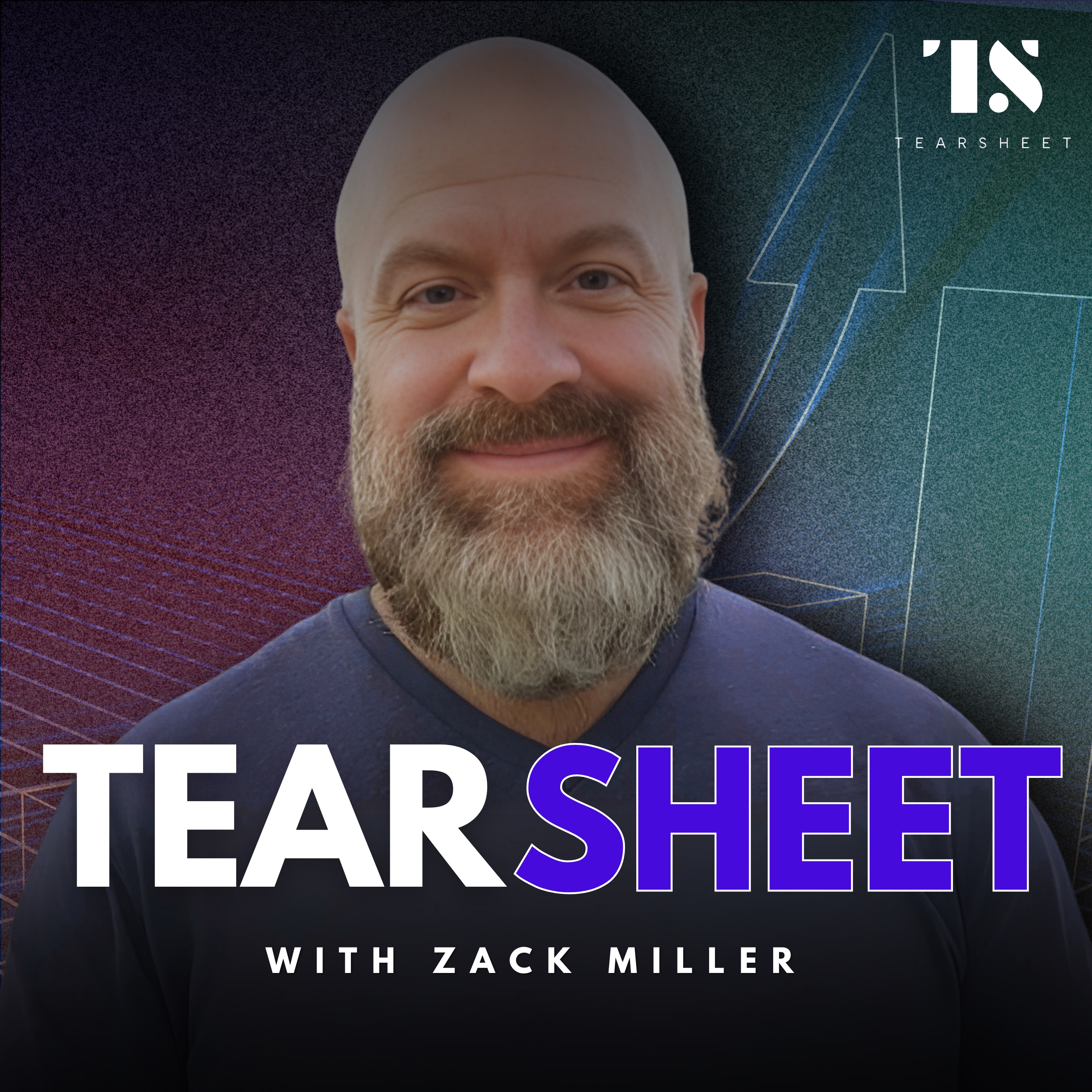
Building the bridge between crypto and coffee shops: A chat with Mesh's Bam Azizi episode artwork

EPISODE · Feb 5, 2025 · 23 MIN

Building the bridge between crypto and coffee shops: A chat with Mesh's Bam Azizi

from Tearsheet Podcast: Exploring Financial Services Together · host Tearsheet

The Tearsheet podcast often explores the intersection of financial services and technology. What makes this exploration unique is its focus on emerging trends, like the connection of the Web3 technologies of crypto and blockchain with the traditional finance ecosystem. Today, Bam Azizi, the co-founder and CEO of Mesh, joins me on the podcast. Founded in 2020, Mesh is an embedded financial platform designed to simplify crypto transactions by enabling real-time connectivity and asset transfers. Previously, Azizi co-founded the cybersecurity company, No Password. Azizi has a strong background in robotics and software engineering. He is now leading Mesh towards a future focused on tokenized assets.“Everything will be tokenized because it’s easier to transfer and build,” says Azizi. He emphasizes the importance of addressing market gaps. Mesh integrates exchanges and enables crypto payments. The Evolution of Crypto & Embedded Finance Embedded finance has emerged as a pivotal market structure in fintech. It allows financial services to be seamlessly integrated into non-financial platforms. Azizi sees Mesh as a connection aggregator, not a data aggregator. This sets it apart from competitors like Plaid. “Plaid is the right solution for traditional assets,” Azizi explains. “We are the right solution for the crypto industry.” Traditional platforms focus on aggregating banking data -- Mesh enables transactional capabilities. This includes transferring assets between exchanges and using crypto for payments. Crypto Payments and Practical Use Cases Mesh’s offerings have evolved from enabling cryptocurrency deposits to powering crypto payments. Azizi describes the creation of MeshPay, which is a comprehensive solution that addresses the unique challenges of crypto payments within a commercial setting. “Imagine paying at a coffee shop with crypto through Apple Pay,” says Azizi. This vision stems from a real-world use case where a small business embedded Mesh to accept crypto as a payment method. For regions grappling with hyperinflation, functionality like this offers real practical advantages. Tokenized Assets: The Future of Finance Azizi strongly advocates adopting tokenized assets. He predicts that “everything will be tokenized” in the coming decade. Tokenization can simplify asset transfers, improving accessibility and mirroring the digitization wave of the past two decades. Azizi believes traditional processes are inefficient. He points to asset transfers between brokerage accounts as an example. These processes are often cumbersome. Tokenized systems promise to end these inefficiencies. They pave the way for streamlined financial operations. Challenges and Opportunities with Regulation Discussing regulatory frameworks, Azizi underscores the importance of clarity. “Healthy regulation benefits everyone,” he notes. Azizi emphasizes how clear guidelines could boost cryptocurrency adoption and innovation. Mesh’s non-custodial model aligns with the crypto community’s ethos of decentralization. It resonates with users who prioritize privacy and control over their assets.

The Tearsheet podcast often explores the intersection of financial services and technology. What makes this exploration unique is its focus on emerging trends, like the connection of the Web3 technologies of crypto and blockchain with the traditional finance ecosystem. Today, Bam Azizi, the co-founder and CEO of Mesh, joins me on the podcast. Founded in 2020, Mesh is an embedded financial platform designed to simplify crypto transactions by enabling real-time connectivity and asset transfers. Previously, Azizi co-founded the cybersecurity company, No Password. Azizi has a strong background in robotics and software engineering. He is now leading Mesh towards a future focused on tokenized assets.“Everything will be tokenized because it’s easier to transfer and build,” says Azizi. He emphasizes the importance of addressing market gaps. Mesh integrates exchanges and enables crypto payments. The Evolution of Crypto & Embedded Finance Embedded finance has emerged as a pivotal market structure in fintech. It allows financial services to be seamlessly integrated into non-financial platforms. Azizi sees Mesh as a connection aggregator, not a data aggregator. This sets it apart from competitors like Plaid. “Plaid is the right solution for traditional assets,” Azizi explains. “We are the right solution for the crypto industry.” Traditional platforms focus on aggregating banking data -- Mesh enables transactional capabilities. This includes transferring assets between exchanges and using crypto for payments. Crypto Payments and Practical Use Cases Mesh’s offerings have evolved from enabling cryptocurrency deposits to powering crypto payments. Azizi describes the creation of MeshPay, which is a comprehensive solution that addresses the unique challenges of crypto payments within a commercial setting. “Imagine paying at a coffee shop with crypto through Apple Pay,” says Azizi. This vision stems from a real-world use case where a small business embedded Mesh to accept crypto as a payment method. For regions grappling with hyperinflation, functionality like this offers real practical advantages. Tokenized Assets: The Future of Finance Azizi strongly advocates adopting tokenized assets. He predicts that “everything will be tokenized” in the coming decade. Tokenization can simplify asset transfers, improving accessibility and mirroring the digitization wave of the past two decades. Azizi believes traditional processes are inefficient. He points to asset transfers between brokerage accounts as an example. These processes are often cumbersome. Tokenized systems promise to end these inefficiencies. They pave the way for streamlined financial operations. Challenges and Opportunities with Regulation Discussing regulatory frameworks, Azizi underscores the importance of clarity. “Healthy regulation benefits everyone,” he notes. Azizi emphasizes how clear guidelines could boost cryptocurrency adoption and innovation. Mesh’s non-custodial model aligns with the crypto community’s ethos of decentralization. It resonates with users who prioritize privacy and control over their assets.

NOW PLAYING

Building the bridge between crypto and coffee shops: A chat with Mesh's Bam Azizi

0:00 23:13

No transcript for this episode yet

We transcribe on demand. Request one and we'll notify you when it's ready — usually under 10 minutes.

That Hoarder: Overcome Compulsive Hoarding That Hoarder Hoarding disorder is stigmatised and people who hoard feel vast amounts of shame. This podcast began life as an audio diary, an anonymous outlet for somebody with this weird condition. That Hoarder speaks about her experiences living with compulsive hoarding, she interviews therapists, academics, researchers, children of hoarders, professional organisers and influencers, and she shares insight and tips for others with the problem. Listened to by people who hoard as well as those who love them and those who work with them, Overcome Compulsive Hoarding with That Hoarder aims to shatter the stigma, share the truth and speak openly and honestly to improve lives. The Small Business Startup School – Business Notes | Financial Literacy | Retail Psychology – For Professionals & Entrepreneurs The Small Business Startup School Inc. Starting or buying a small business? While personal circumstances may vary, business patterns remain timeless. On The Small Business Startup School, we explore strategies, insights, and practical solutions to help entrepreneurs confidently navigate their journey.Hosted by Ola Williams—a retail entrepreneur, fintech founder, and financial coach with over two decades of experience—this podcast marries financial awareness and retail psychology with optimism to deliver actionable takeaways.Join us to learn, grow, and connect as we uncover the keys to business success.Let’s continue to learn together and be encouraged to keep on connecting! DIOSA. Carolina Sanper This podcast is a sacred space created by Carolina Sanper where you connect with your inner wisdom and embody your magnetic feminine power.It is the realization that the mystical realm is where you plant the seeds of your desired reality.It is a portal to your true essence: awareness, presence, and receiving with ease. Welcome home, DIOSA. 🖤 XXX Tech by SOVRYN Dr. Brian Sovryn The crossroads between technology, sensuality, and metaphysics - and the longest running anarchist podcast in the world! Brought to you by Dr. Brian Sovryn.

Frequently Asked Questions

How long is this episode of Tearsheet Podcast: Exploring Financial Services Together?

This episode is 23 minutes long.

When was this Tearsheet Podcast: Exploring Financial Services Together episode published?

This episode was published on February 5, 2025.

What is this episode about?

The Tearsheet podcast often explores the intersection of financial services and technology. What makes this exploration unique is its focus on emerging trends, like the connection of the Web3 technologies of crypto and blockchain with the...

Can I download this Tearsheet Podcast: Exploring Financial Services Together episode?

Yes, you can download this episode by clicking the download button on the episode player, or subscribe to the podcast in your preferred podcast app for automatic downloads.
URL copied to clipboard!