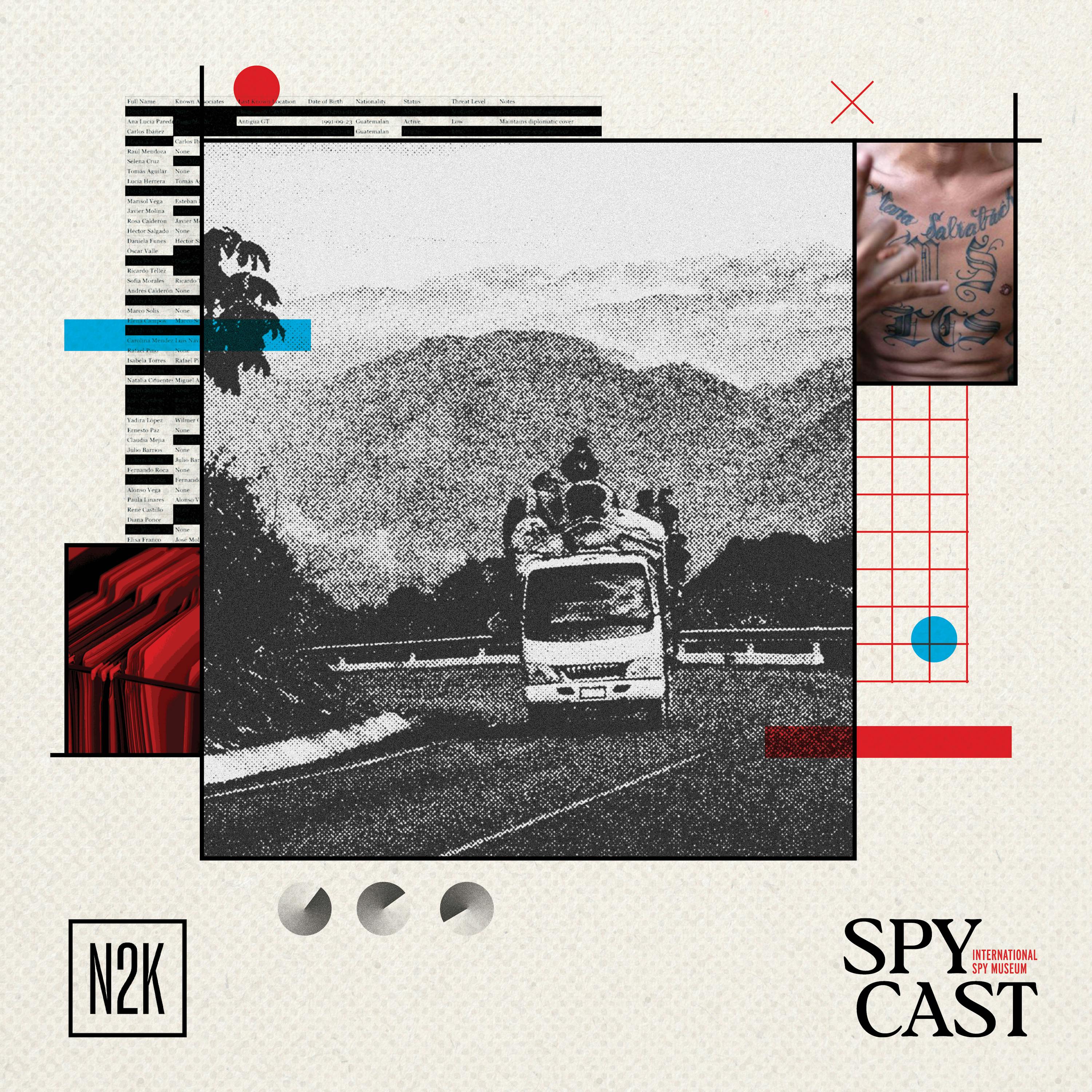
Building the US’s First Known Gang Intelligence Database in Latin America episode artwork

EPISODE · Feb 3, 2026 · 35 MIN

Building the US’s First Known Gang Intelligence Database in Latin America

from SpyCast · host SpyCast

As an agent with the Drug Enforcement Administration (DEA) who later embedded with the CIA, Wes Tabor worked to dismantle criminal networks in Central and South America - think gangs like MS-13, the Sinaloa Cartel, and Tren de Aragua. In 2006, he was stationed in Guatemala, a transit corridor for South American cocaine to enter the US. It was during this time that he created a gang intelligence system to help identify gang members, using biodata and records from regional prisons and police departments. As confirmed by two retired DEA agents, the FBI then took the database and made it their own. This is how it happened. *Clarification: The  US arrested Guatemala's anti-drug chief in 2009, while three high-ranking, anti-narcotics police officers were arrested by the U.S. in 2005. Subscribe to Sasha's Substack, HUMINT, to get more intelligence stories: https://sashaingber.substack.com/ For more information about the International Spy Museum, visit:  https://www.spymuseum.org/ And if you have feedback or want to hear about a particular topic,  you can reach us by email at [email protected]. This show is brought to you by N2K Networks, Goat Rodeo, and the International Spy Museum in Washington, DC. This episode was produced by Flora Warshaw and the team at Goat Rodeo. At the International Spy Museum, Mike Mincey and Memphis Vaughan III are our video editors. Emily Rens is our graphic designer. Joshua Troemel runs our SPY social media. Amanda Ohlke is our Director of Adult Education and Mira Cohen is the Vice President of Programs.

As an agent with the Drug Enforcement Administration (DEA) who later embedded with the CIA, Wes Tabor worked to dismantle criminal networks in Central and South America - think gangs like MS-13, the Sinaloa Cartel, and Tren de Aragua. In 2006, he was stationed in Guatemala, a transit corridor for South American cocaine to enter the US. It was during this time that he created a gang intelligence system to help identify gang members, using biodata and records from regional prisons and police departments. As confirmed by two retired DEA agents, the FBI then took the database and made it their own. This is how it happened. *Clarification: The  US arrested Guatemala's anti-drug chief in 2009, while three high-ranking, anti-narcotics police officers were arrested by the U.S. in 2005. Subscribe to Sasha's Substack, HUMINT, to get more intelligence stories: https://sashaingber.substack.com/ For more information about the International Spy Museum, visit:  https://www.spymuseum.org/ And if you have feedback or want to hear about a particular topic,  you can reach us by email at [email protected]. This show is brought to you by N2K Networks, Goat Rodeo, and the International Spy Museum in Washington, DC. This episode was produced by Flora Warshaw and the team at Goat Rodeo. At the International Spy Museum, Mike Mincey and Memphis Vaughan III are our video editors. Emily Rens is our graphic designer. Joshua Troemel runs our SPY social media. Amanda Ohlke is our Director of Adult Education and Mira Cohen is the Vice President of Programs.

NOW PLAYING

Building the US’s First Known Gang Intelligence Database in Latin America

0:00 35:47

No transcript for this episode yet

We transcribe on demand. Request one and we'll notify you when it's ready — usually under 10 minutes.

Frequently Asked Questions

How long is this episode of SpyCast?

This episode is 35 minutes long.

When was this SpyCast episode published?

This episode was published on February 3, 2026.

What is this episode about?

As an agent with the Drug Enforcement Administration (DEA) who later embedded with the CIA, Wes Tabor worked to dismantle criminal networks in Central and South America - think gangs like MS-13, the Sinaloa Cartel, and Tren de Aragua. In 2006, he...

Can I download this SpyCast episode?

Yes, you can download this episode by clicking the download button on the episode player, or subscribe to the podcast in your preferred podcast app for automatic downloads.
URL copied to clipboard!