
EPISODE · Mar 1, 2026 · 13 MIN
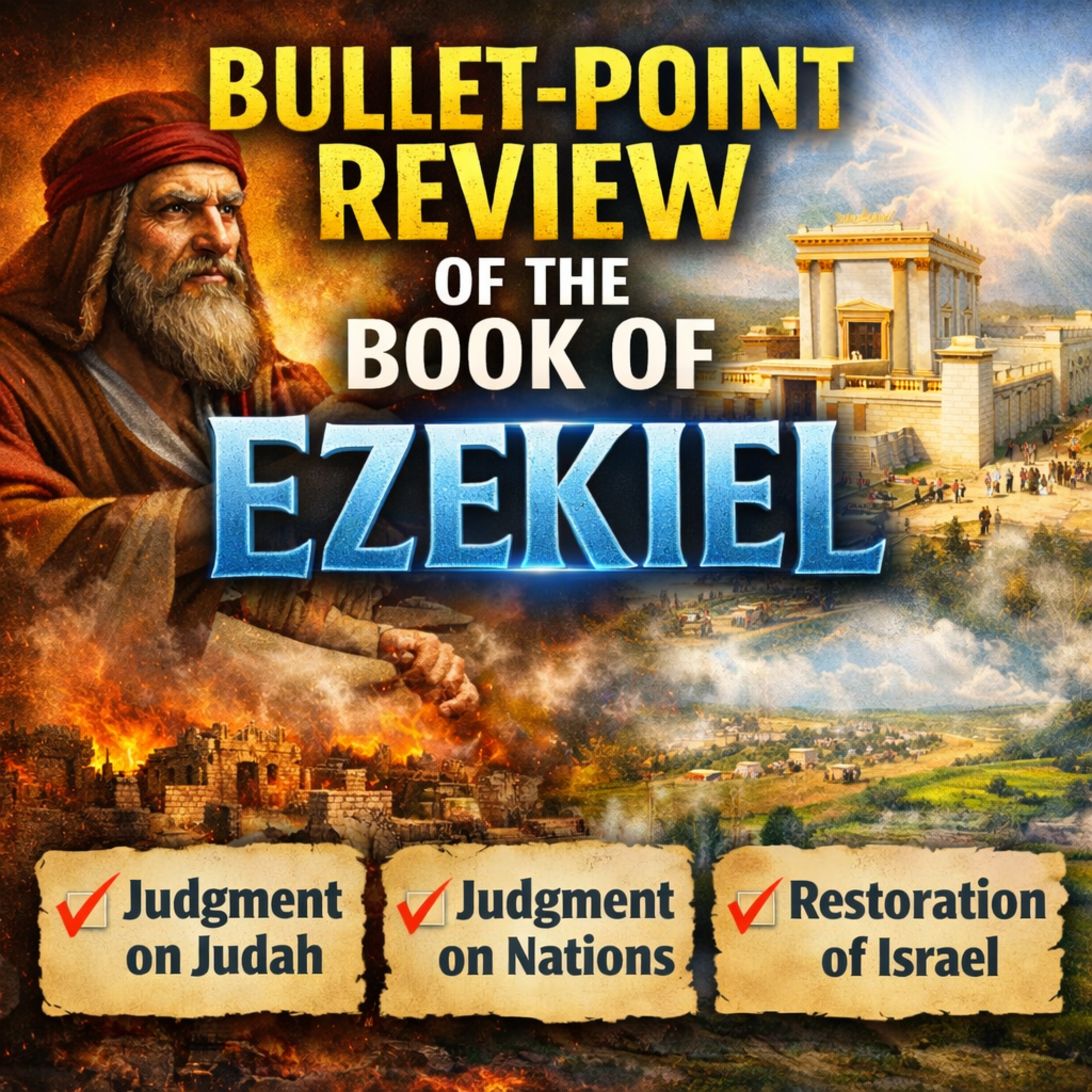
Bullet-Point Review of the Book of Ezekiel
from What Does the Bible Teach? · host John Musgrave, M.Div., Pastor, Christ Church PCA, Clayton, North Carolina
What is the true message of the Book of Ezekiel? How should evangelical and Reformed Christians understand its prophecies about judgment, exile, temple restoration, and the promise of David’s everlasting kingdom?In this in-depth Bible lesson on Ezekiel, we walk carefully through the structure, theology, and historical setting of this often-misunderstood prophetic book.📖 The Structure of EzekielEzekiel unfolds in three major sections:1️⃣ Judgment Against Judah and Jerusalem (Ezekiel 1–24)Ezekiel, an exilic prophet deported to Babylon in 597 BC, proclaims the coming destruction of Jerusalem—fulfilled in 586 BC. His fulfilled prophecies confirm that his message truly comes from the Lord.2️⃣ Judgment Against the Nations (Ezekiel 25–32)God demonstrates His sovereignty over the surrounding nations. Babylon is not ultimate—Yahweh rules history and executes covenant judgment.3️⃣ Restoration and Reconstruction (Ezekiel 33–48)After judgment comes hope. Ezekiel gives detailed instructions for:The redistribution of the Promised LandThe reunification of all twelve tribesThe rightful priesthood (sons of Zadok)The centrality of JerusalemThe restoration of David’s throneThe famous vision of the two sticks (Ezekiel 37) reveals that Judah and Ephraim will become one nation again—under a Son of David. The Davidic covenant remains everlasting. God does not revoke His promise.🧭 A Reformed Hermeneutic of EzekielThis lesson also addresses a crucial interpretive principle:God gives Scripture to real people in real history. Ezekiel was written to sixth-century exiles—not as cryptic end-times code, but as covenant instruction for those awaiting restoration.Rather than speculative readings focused solely on modern prophecy charts, this study emphasizes:Covenant theologyThe historical context of the Babylonian exileThe fulfillment of Ezekiel’s near-term predictionsThe theological continuity of the Davidic covenantThe unity of the twelve tribes under God’s sovereign planFor Presbyterian and Reformed Christians, this approach safeguards a historically grounded, Christ-centered reading of the Old Testament without detaching the book from its original audience.🎯 Who This Lesson Is ForEvangelical Christians seeking serious Bible teachingPresbyterian and Reformed believersStudents of covenant theologySeminary and theology studentsAnyone wanting a structured, faithful explanation of EzekielIf you want to understand the Book of Ezekiel in its historical context, see how judgment leads to restoration, and grasp why the Davidic kingdom remains central to biblical theology, this lesson will equip you.Here’s the video @ https://youtu.be/giU_RbAjHnYSee other resources and teaching @ https://www.christchurchclayton.org/mediaWatch other lessons of “The Bible: Each Book” @ https://www.youtube.com/playlist?list=PLm8Dt3kxWQ8TwYS3sMbl-LjnSVJi9q8V0#EzekielStudy#EzekielExplained#OldTestamentStudy#BibleTeaching#ReformedTheology#Presbyterian#CovenantTheology#ExilicProphet#DavidicCovenant#TempleRestoration#BiblicalTheology#ChristianDoctrine#Evangelical#BibleLesson#Prophets#Jerusalem586BC#BabylonianExile#TwelveTribes#ReformedBibleStudy #JohnMusgrave #ChristChurchOfClaytonNC #TheGospelForLiving
Embed this episode
NOW PLAYING
Bullet-Point Review of the Book of Ezekiel
No transcript for this episode yet
Similar Episodes
No similar episodes found.
Similar Podcasts
No similar podcasts found.