Buying America
from On the Commons Podcast Hosted by Antonia Malchik
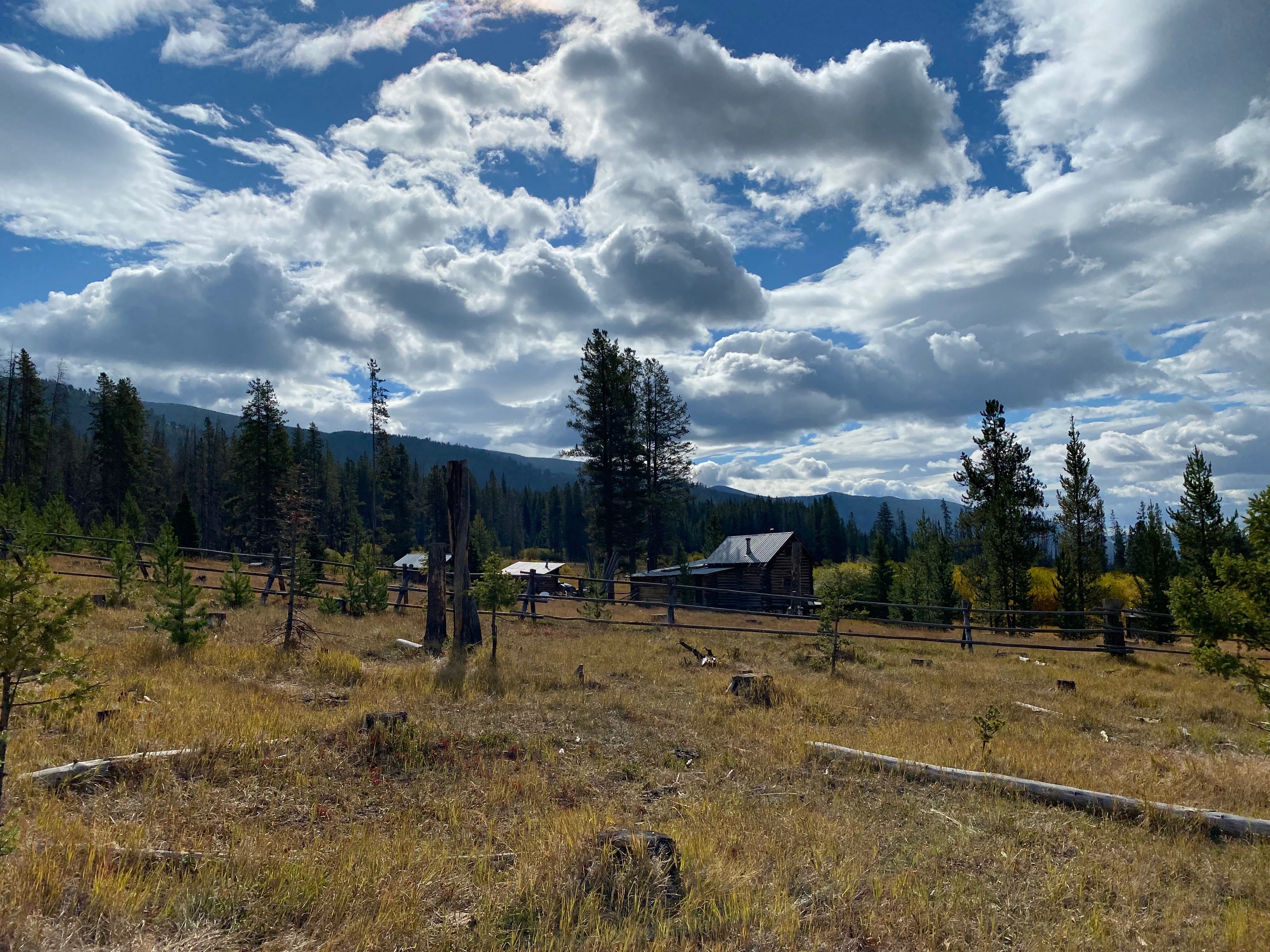
My younger sister and I made a deal once a long time ago—I was maybe 13 or 14 or 15; over 30 years ago anyway—just before or after we’d moved to a new town. I think it was one of our very brief stints in California, or after we’d returned from the Soviet Union. The deal was: we wouldn’t talk to anyone about our previous life, schools, or friends. We’d moved a few times by then and had learned that most people just weren’t that interested in us, in other people. We’d also learned how painful their lack of curiosity—which felt like lack of care—could be. It didn’t feel like a shutting down or closing off so much as coming to the realization that it was rare to meet someone who was interested in the worlds that other people carry around in their own lives and within their own minds. Maybe we weren’t interested, either, though that was harder to know since we spent several formative years adapting to new places, new people, and new circumstances. We were continually reshaping who we were according to where we landed. We decided that this time we’d keep our precious memories, our selves, to ourselves. We pinky swore on it. One or two or a few years later I tried to draw on those memories for a high school essay and found them frustratingly locked away even from myself. —- I am halfway through Blake Watson’s Buying America from the Indians. Books like this take me a lot of time to read. It’s dense—not dense like a headache to read but dense with information, following the various land deals speculators in America made for several decades leading up to 1776 and beyond. Wealthy people like Lord Dunmore, who complained when he was moved from governing New York to governing Virginia because he found that Virginia looked much less kindly on his rapacious land grabbing. Dunmore partnered with land dealers who made questionable bargains with various Native tribes, and swept up ownership of as much land as he could but chose the losing side when the revolution came. Lucky him, though—in 1784, after America’s independence was recognized, he filed for and was granted reimbursement from the British Crown for loss of lands in large parts of America. Buying America from the Indians is about the crucial U.S. Supreme Court case of 1823, Johnson v. McIntosh, which decided that Indian people had no right to sell land—only European settlers could do that. In circular reasoning, the decision first articulated and then reiterated the Doctrine of Discovery’s logic: only people who discovered land could own it. People who already lived in North America simply resided there; they had no right of title. That reasoning still dictates many Supreme Court decisions with regards to Native American land rights. The part I’ve read up to this point lays out the groundwork for that case. It revolves around power struggles between the British Crown, which claimed that all North American land under its jurisdiction belonged to said Crown—that is, only the Crown could grant legal title to settlers—and people (usually already fairly wealthy) who wanted to buy land land directly from local Native Nations. A number of America’s “founding fathers” were simply land speculators. Leading thinkers like Thomas Jefferson, John Adams, and Benjamin Franklin wrote eloquently on the right of Indians to sell land to willing buyers not because they saw them as equal partners or even equal people but because they, and others, wanted that land and the Crown wouldn’t recognize their ownership. Maybe I’m not giving all of them enough credit, but reading this book it’s hard not to think of the entire American Revolution as having nothing to do with life, liberty, or even taxation without representation, and everything to do with a few powerful people frustrated that those with even more power wouldn’t let them gather up and claim as much land as they wanted. It’s particularly enlightening reading this book after having read Nick Hayes’s The Book of Trespass and gaining (I hope) a deeper understanding of the kind of land-hoarding mentality people brought with them when they flocked to the North American continent. They badly wanted to chuck over feudalism, but only because doing so would benefit their land speculations. —- It’s strange, moving to new places and meeting new people. One of the things that startles me about writing is how often people read and connect with something I’ve written, maybe because of those long-ago experiences of moving around and coming to terms with the fact that most people aren’t particularly curious about others’ lives. But isn’t the mind an amazing thing? I imagine when my sister and I were having to adapt to different schools over and over, it was a time of life when we as well as other kids were simply deeply absorbed in our own selves, the growing, fumbling, seeking self that is the mind mediated through the body’s experiences of this world. These days, I am heartened and amazed by how many people are curious. Who try harder to understand lives at far remove from their own. I don’t know if we have made progress as a species on that front, or if I just spend a lot of time with grown-ups who happen to read books, but it’s hair-curling to think of all those powerful people colonizing this continent and other continents, people who just wanted and wanted and wanted, who took what they wanted and did not, it seems, ever pause to wonder about the lives and experiences of those they were taking from. And all the people in the thousands of years before that who did the same and how many are still doing the same. Like they pinky swore to never let another’s experience make the slightest crack in their own worldview. The mind-blowing thing is how many people try to be better than that. How many people seek out stories and experiences different from their own, simply in an effort to understand one another better. When you think about what goes on in people’s minds when they want to find points of empathy and understanding, it’s truly, remarkably, beautiful. —- Bonus photo: The top photo is of my stepfather’s cabin, which we spent a couple nights at last weekend. While there we walked the property lines to find the corners, and scouted two original survey stones, one pictured below. I am a little obsessed with survey markers and the stories they tell about how we view and occupy land. That’s how my whole commons/private property fixation began. —- Some stuff to read, listen to, or watch: * Speaking of stones, a recent episode of the Scotland Outdoors podcast focused on geology, which is a subject I never get tired of. Although it always throws me off when we (I do this all the time) talk of rocks being however-many-million years old since . . . well, isn’t everything on the planet just reformed matter from when the planet coalesced to begin with? And all that simply reformed matter from the universe? We’re all stardust, but sometimes it takes a lot of digging to be reminded of that. * Since half my family is employed in the specialty coffee business, I get pleasure out of simple pieces like Jessica Easto’s “How to enjoy coffee” in Psyche. Having had many cupping sessions placed in front of me over the years, I can affirm that she is right when she writes that, “The first time you drink coffee that tastes like more than coffee, you’ll never forget it.” * Archaeologist Lindsey Büster had a fascinating piece in Sapiens about the tendency—and ongoing and inexplicable human need—of Iron Age people in Britain to hang onto objects owned by deceased loved ones, not grave goods but simply stuff that people couldn’t let go of, like bone spoons or grinding stones: “Our relationship with objects (especially those that become problematic through, for example, the death of a loved one) has surely always been complicated. Knowing that we are not, and have never been, alone in these feelings offers a degree of comfort.” * I watched this 52-minute Aeon video because I’ve been looking for deeper explanations into why “person… Get full access to TRESPASSING at antonia.substack.com/subscribe
Embed this episode
No transcript yet.