
EPISODE · Sep 4, 2022 · 14 MIN
BW - EP131—003: Orson Welles Is The Shadow—Les Misérables
from Breaking Walls: The Podcast on the History of American Network Radio Broadcasting · host James Scully
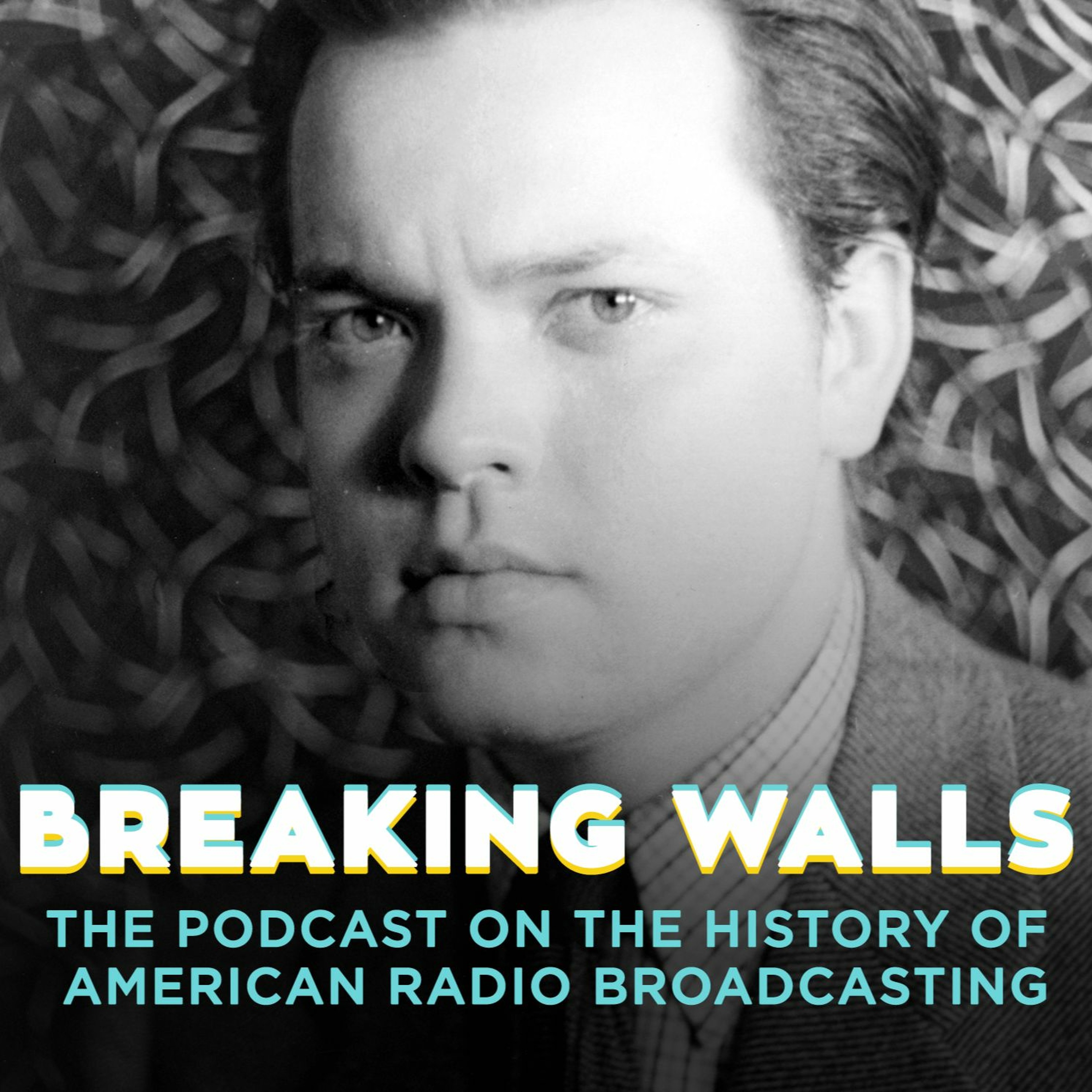
By late spring in 1937, the Federal Theater Project was under intense scrutiny for staging what some felt were too many left-leaning labor plays. In Washington, there were rumors funds would be cut. At the same time, Welles and John Houseman were rehearsing a production of The Cradle Will Rock. The play took place in "Steeltown, USA.” It followed the efforts of Larry Foreman to unionize the town's workers. This was to combat the wicked Mister Mister, who controls Steeltown’s factory, press, church, and social organizations. Less than three weeks before the play was to open on June 23rd, The WPA shut down the project. Welles went to Washington to argue his case. He failed. Next, he threatened to open the play himself. The government’s response was severe. A dozen uniformed guards took over the building. They stood at the front entrance, the box office, and in the alley outside the dressing rooms to ensure no government property was touched. But, John Houseman discovered an out. As U.S. citizens, the actors were free to enter as audience members and rise from their seats to speak their lines, so long as they weren’t on stage. The Cradle Will Rock played in the aisles. The next day everyone was fired, but it was front-page news. That summer NBC featured a series of Shakespeare dramas with John Barrymore, while CBS aired Shakespeare adaptations featuring Humphrey Bogart and Leslie Howard. To battle for listeners, Mutual scheduled a seven-week take on Victor Hugo’s Les Misérables, hiring Orson Welles to write, direct, and star in the production. Les Misérables debted on Friday, July 23rd, 1937 at 10PM, over WOR in New York. The production also marked the radio debut of the Mercury Theatre troupe. Martin Gabel was Javert. Alice Frost, Fantine. Virginia Nicolson, the adult Cosette, and it also featured soon-to-be radio mainstays like Ray Collins, Everett Sloane, Betty Garde, Hiram Sherman, Frank Readick, Richard Widmark, and Welles’ good friend, Agnes Moorehead. From July 23rd through September 3rd, Les Misérables captured public interest. In a press release, Welles referred to the broadcast as a “projection” of what radio could dramatically evolve into. The series had begun solely on the east coast, but audience reaction induced Mutual’s officials to give it full coast-to-coast coverage. It cemented Welles as someone who could write, produce, direct, and act for radio.
Embed this episode
NOW PLAYING
BW - EP131—003: Orson Welles Is The Shadow—Les Misérables
No transcript for this episode yet
Similar Episodes
No similar episodes found.
Similar Podcasts
No similar podcasts found.