Can a machine read my mind? episode artwork

EPISODE · Nov 15, 2019 · 42 MIN

Can a machine read my mind?

from CrowdScience · host BBC World Service

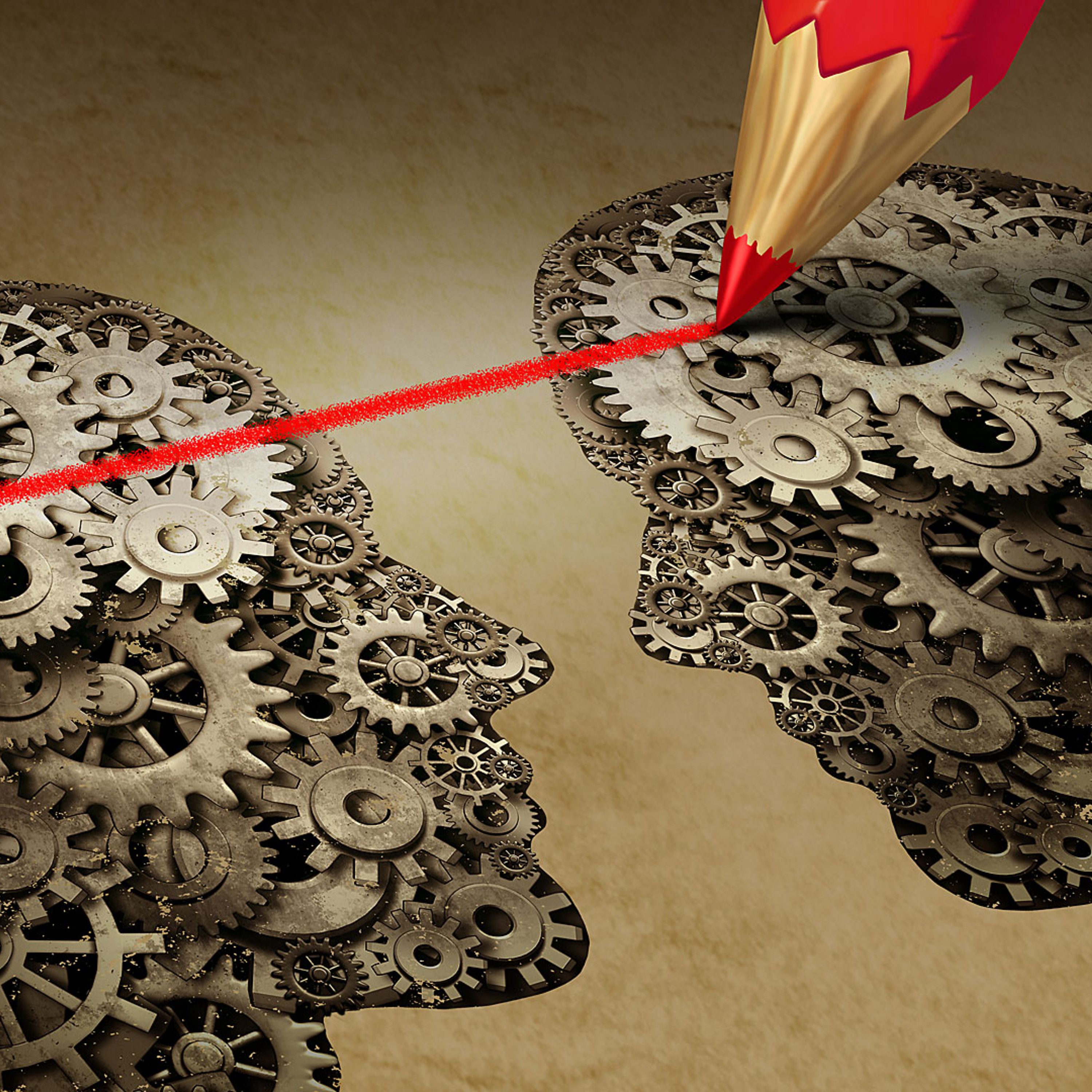
For decades science fiction has been imagining the incredible ways that machines might interact directly with our minds, from enabling telepathic communication to controlling robotic suits, solely using the power of thought. Getting computers to interface directly with the human brain has proven extremely challenging, but rapidly advancing computer technology is changing the landscape. CrowdScience listener Daniel wonders if we might finally be on the cusp of enabling machines to meld with our minds. To find out, presenter Alex Lathbridge goes in search of the latest efforts to connect brains to computers. He learns how researchers are combining brain scans with machine learning and gets to test whether an fMRI machine can decode his emotions. He then meets someone with a brain implant but discovers there are many hurdles to overcome before these become mainstream in clinical practice – for example, how can scientists develop implants that won’t damage the brain? With tech companies like Facebook and Elon Musk’s Neuralink starting to invest in this sector, many experts believe it is only a matter of time before thoughts are ‘readable’. Whilst currently this technology is focussed on helping people with serious medical conditions, other potential applications for it are raising ethical considerations. Could it be possible to read someone's mind against their will? Might this be used in warfare? Listener Daniel wonders how far this technology might go, leading Alex to ask an ethicist what mind-reading technology might do to society.Presented by Alex Lathbridge Produced by Melanie Brown(Photo: Telepathic people symbols are connected, mind reading as 3D illustration. Credit; Getty Images)

For decades science fiction has been imagining the incredible ways that machines might interact directly with our minds, from enabling telepathic communication to controlling robotic suits, solely using the power of thought. Getting computers to interface directly with the human brain has proven extremely challenging, but rapidly advancing computer technology is changing the landscape. CrowdScience listener Daniel wonders if we might finally be on the cusp of enabling machines to meld with our minds. To find out, presenter Alex Lathbridge goes in search of the latest efforts to connect brains to computers. He learns how researchers are combining brain scans with machine learning and gets to test whether an fMRI machine can decode his emotions. He then meets someone with a brain implant but discovers there are many hurdles to overcome before these become mainstream in clinical practice – for example, how can scientists develop implants that won’t damage the brain? With tech companies like Facebook and Elon Musk’s Neuralink starting to invest in this sector, many experts believe it is only a matter of time before thoughts are ‘readable’. Whilst currently this technology is focussed on helping people with serious medical conditions, other potential applications for it are raising ethical considerations. Could it be possible to read someone's mind against their will? Might this be used in warfare? Listener Daniel wonders how far this technology might go, leading Alex to ask an ethicist what mind-reading technology might do to society.Presented by Alex Lathbridge Produced by Melanie Brown(Photo: Telepathic people symbols are connected, mind reading as 3D illustration. Credit; Getty Images)

NOW PLAYING

Can a machine read my mind?

0:00 42:58

No transcript for this episode yet

We transcribe on demand. Request one and we'll notify you when it's ready — usually under 10 minutes.

No similar episodes found.

No similar podcasts found.

Frequently Asked Questions

How long is this episode of CrowdScience?

This episode is 42 minutes long.

When was this CrowdScience episode published?

This episode was published on November 15, 2019.

What is this episode about?

For decades science fiction has been imagining the incredible ways that machines might interact directly with our minds, from enabling telepathic communication to controlling robotic suits, solely using the power of thought. Getting computers to...

Can I download this CrowdScience episode?

Yes, you can download this episode by clicking the download button on the episode player, or subscribe to the podcast in your preferred podcast app for automatic downloads.
URL copied to clipboard!