Can People Actually Change?
from Beyond the Prescription Hosted by Dr. Lucy McBride and Benoit Denizet-Lewis
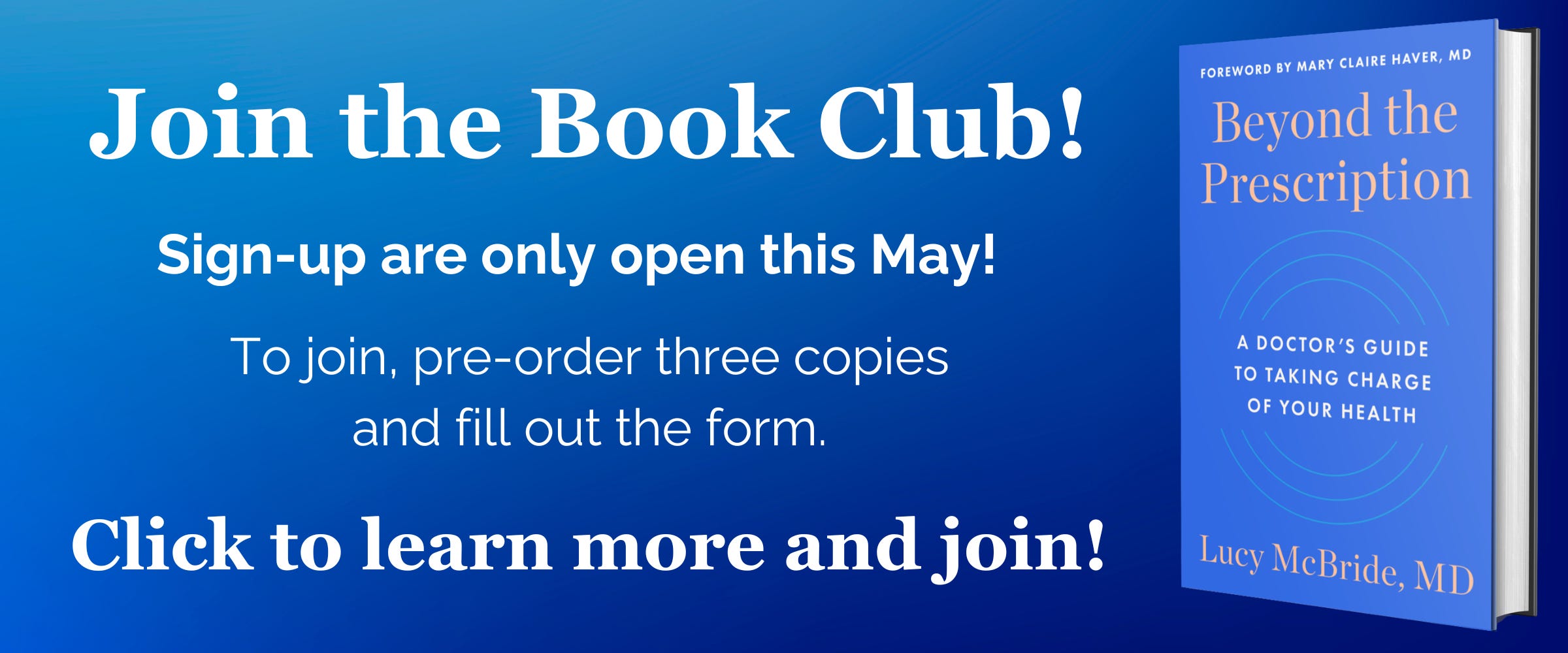
Dr. Lucy McBride sits down with Benoit Denizet-Lewis, longtime writer for the New York Times Magazine and bestselling author of You’ve Changed: The Promise and Price of Self-Transformation, for a wide-ranging conversation about how people actually transform. What Transformation Actually Means—and How It Happens * The self-help industry focuses on habit change and optimization; Denizet-Lewis was interested in something deeper: shifts in identity, perspective, and personality that make people feel genuinely different * Change happens in multiple ways: sometimes it’s intentional and goal-directed, sometimes it arrives uninvited through illness, aging, or a moment of unexpected awe * People are deeply conflicted about change: they want it for themselves and are simultaneously threatened by it in the people they love * The narrative of transformation is almost always tidier in retrospect than it was in the living of it Identifying What is Fixed vs. What Is Dynamic * Core personality traits can be tweaked with real effort, but wholesale personality transformation is rare * Genetics and childhood shape us in ways that are largely fixed, but how we relate to those things is not * Trauma can be repaired; relationships fractured by the past can, with sustained work, become the closest ones we have * The serenity prayer captures something clinically true: distinguishing between what is fixed and what is dynamic is the definition of wisdom Self-Compassion as the Engine of Change * The transformation Denizet-Lewis describes most personally wasn’t a dramatic identity shift: it was learning gentleness toward himself * Ram Dass’s approach to jealousy—welcoming it in, naming it, refusing to let it run the show—illustrates what it looks like to observe a feeling without being consumed by it * Honest self-observation is essential to change, but it has to be paired with compassion; without it, the mirror is too painful to look into * An apology that ends with a period is one of the clearest expressions of self-awareness and change Shame vs. Guilt—and Why the Difference Matters * Guilt says “I did something bad”; shame says “I am bad”—and the distinction has real consequences for whether change is possible * Research on young people who committed crimes found that guilt was a positive predictor of rehabilitation; shame, counterintuitively, increased the likelihood of reoffending * The shame of failing to change—of breaking a resolution, relapsing, or falling short of a goal—is under-appreciated and causes many people to stop trying altogether * Shining a light on shame, naming it, and normalizing it is often the first step toward dismantling it; living in it while organizing behaviors around it is one of the most reliable ways to stay stuck Change as a Social Act * We like to think of transformation as private and interior, but it happens in community—getting buy-in from others, having change witnessed and reflected back, is part of how it becomes real * Social media has complicated this: performing transformation publicly creates skepticism, making it harder for genuine change to be legible to others * Asking people close to you whether they’ve noticed a change—awkward as it is—can be one of the most grounding forms of accountability Technology, Distractions, and Reclaiming Space * The phone has become the first place most people go when anxiety surfaces — which means it’s both a cause of anxiety and the default coping mechanism for it * Denizet-Lewis and McBride argue that the best thinking—in writing, in medicine, in life—tends to happen in stillness Upshot Transformation is messier, slower, and more social than many before-and-after stories suggest. The question isn’t whether change is possible—it is—but whether we’re willing to do the unglamorous work of honest self-observation, shame reduction, and showing up differently over time. 📣 HELLO READERS! Please join me this summer for the official Beyond the Prescription Book Club! It’s open exclusively to Substack readers and gives you early access to the book, pre-publication. 👀 We’ll get into the nitty gritty of health and wellness and what it all means for YOU. Sign-ups are open in May only. This is a public episode. If you'd like to discuss this with other subscribers or get access to bonus episodes, visit lucymcbride.substack.com/subscribe
Embed this episode
No transcript yet.