
EPISODE · Aug 11, 2021 · 22 MIN
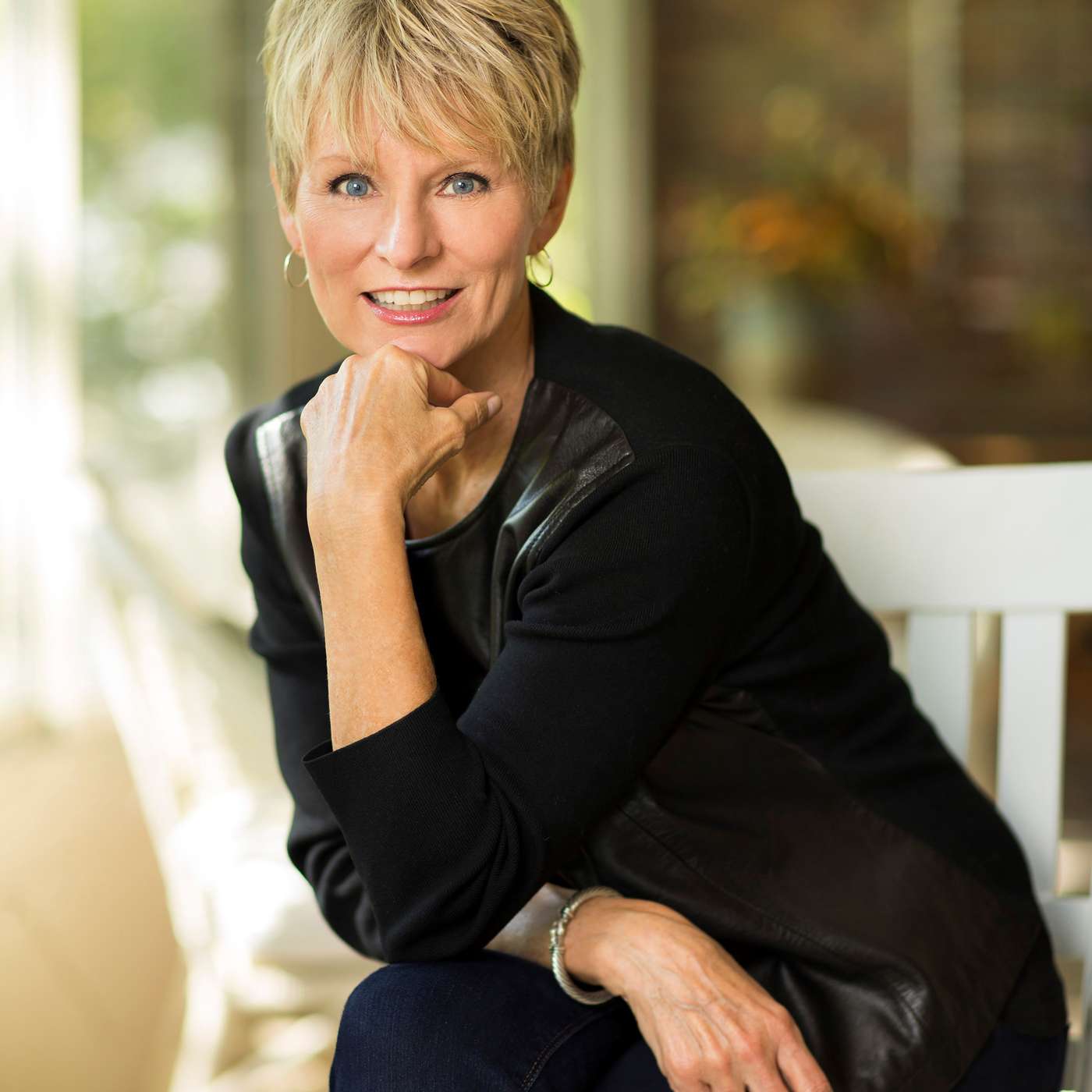
Cancer Survivor and MSU Alumna Judith Pearson Shares Stories That Inspire
from MSU Today with Russ White · host Russ White
A diagnosis of triple negative breast cancer interrupted Judy's career as an author.“Like for everyone else, it came at the worst possible time. But cancer really doesn't have a great time,” says Pearson. “I was a newlywed. I had met the man of my dreams. My youngest son had launched into a great career as an electrical engineer. And my oldest son is just retired, but he was career Air Force and was about to deploy to Afghanistan. And then I found the lump two months after a clean mammogram and through it all discovered that there is a condition that's much more well-known now called dense breast tissue. I tell everyone to never stop being vigilant about your health anywhere, but especially your breasts. It doesn't matter if you get a clean mammogram, you can still have things that mammography can't see through if you have dense tissue.“The fortunate thing was after my mastectomy, they found three other tumors that by the time I would have gone around to the next mammogram, I would not have survived quite probably. It was triple negative breast cancer, which is rare and very aggressive. And so I made a deal with God and the universe. If I survive this, I'm going to do something with it. I don't know what that is, but just guide me and I will do something.”Pearson talks about why she chose to attend MSU and how the university has impacted her. While many of Judy's friends from her small hometown of South Haven thought MSU might be too big for them. Judy was attracted to the “hum” at MSU.“I had high school classmates who came to school here and found it too big. They felt lost. There were myriad issues, but always surrounding its size because South Haven then and now is only about 5,000 people. We had 200 kids in our graduating class. For me, there was a different feeling partially because I was familiar with the university, but partially because I just love the hum of it.”Recognizing that healing is helping, Judy founded A 2nd Act.“A Second Act celebrates and supports women survivors of all cancers who are giving back to the greater good using their experiences and their life span, whatever those days are, to give back to the greater good to the world around them.” Discovered at MSU, Cisplatin would become the backbone of combination chemotherapy. Pearson believes it saved her life.“My oncologist sat me down after my mastectomy and said, ‘Okay, this treatment is going to be really rough. And usually people have to have a three or a four week span in between treatments. You're very healthy other than that little bit of cancer. We're going to make that an every other week occurrence.’ And even though I had no evidence of disease once the breast was removed, with triple negative cancer, I had had a 30 percent chance of it coming back without the chemotherapy. So I thought that was just too great of a chance. And she said, ‘We're going to hit you with three drugs’ then told me the names of the drugs. One of was Cisplatin. “Then I go back home and two days later, the MSU alumni magazine arrives in my mailbox. And one of the featured articles was about Dr. Rosenberg, who invented Cisplatin here in 1965. And it wasn't until after my own treatment that I wrote an article talking about the fact that Dr. Rosenberg saved my life. When it was discovered, it was miraculous.“It was the first platinum-based chemotherapy drug. And it's not without side effects, severe side effects, like horrible nausea, hair loss, and joint damage afterwards. But I would take all of those in exchange for my life. It was well worth it. The other really interesting connection is in 1971, Richard Nixon was facing a very iffy reelection and his aides came to him and said, ‘There's a bill making its way through Congress called the National Cancer Act. If you sign that, we are quite certain you will be reelected. It's a bipartisan issue. Democrats and Republicans both fear it, and we'll even toss in that we'll cure the disease by the Bicentennial.’ He signed it. It infused $1.8 billion, which is $8.4 billion today, into research. And at that time, Cisplatin was in final clinical trials. I don't know for certain, but I'm quite sure that some of that money went into the final trials for Cisplatin. Ironically in 1971 when Nixon signed that bill, I was an incoming freshman at Michigan State.”Pearson talks more about her cancer diagnosis and journey through treatment as a survivor and not a victim.“The diagnosis comes like a thunderbolt. It's like any catastrophic event. I read an article one time about the top 10 stressors in life. And besides the death of a loved one and a divorce, catastrophic illnesses is the next one. And so you get that kind of why me sort of thing. And I was actually talking to a pastor and asked why me? And he said, ‘When people ask that, I respond to them by saying, why not you? Should it be him? Should it be her? Why not you?’ And I thought, well, that's a good answer. I'm a researcher by profession. I very carefully researched my disease, my treatment, and my reconstruction. At no time did it occur to me to research survivorship. I didn't even think it was a thing. And that surprises me because I thought myself fairly well read. On the other side of all the treatment I started having unexpected and really quite frightening issues like night sweats, severe joint pain, chronic fatigue, insomnia, and brain fog, which for a writer is a really bad thing.“When I went to my oncologist and asked why I hadn't been told, it wasn't like I wouldn't have taken the treatment. She said, which was very common 10 years ago, ‘It wasn't important to talk about. We were busy saving your life.’ I now know. And all of the folks that I interviewed for From Shadows to Life who were the architects of the cancer survivorship movement, their whole focus has been on making sure that survivorship is considered part of the cancer continuum. There's diagnosis and there's treatment. There may be adjunctive types of treatments after the main treatment's over, but survivorship is every bit as much of the cancer continuum. It's the rest of your life. The treatment is really a year, maybe a little longer, to get you to the rest of your life. Why not spend as much time focusing on learning about these issues and learning how to move beyond them?“And that was why the survivorship movement launched and became so successful. Before the National Coalition for Cancer Survivorship was founded by 23 people, all with a connection to cancer, and before they launched the cancer survivorship movement, we were called victims in the newspaper. And even after their 1986 founding, the newspaper articles all said victim. And even if the article was about them and the headline read survivors, not victims, the writer continued to call us victims in the article. It was hilarious. And so at first, the term survivor was a little foreign to me because I felt like I'd won the lottery by beating cancer. If you said to Vince Lombardi or George Patton ‘Wow, you survived that,’ they would have punched you in the face. I don't want to just be a survivor. I want to be a winner.“And then I realized I was swimming upstream. Survivorship was already coined and I'm happy with that. I get it now. I totally get it. The other interesting thing about the idea of survivorship is if you experience a heart attack, boy, from the moment you have recovered or had whatever corrective surgery, they're starting to talk about rehab. They're starting to talk about you getting back to your life and what we're goin...
Embed this episode
What this episode covers
Judy Pearson's career began in a tree, a wonderful old maple in her parents’ backyard with a perfect branch on which to sit and write. Now, hundreds of thousands of words later, this South Haven, Michigan native's voice is still inspiring. She's a best-selling author and accomplished presenter and a graduate of Michigan State University. She explains why her favorite title is storyteller.
Ready to play
Cancer Survivor and MSU Alumna Judith Pearson Shares Stories That Inspire
No transcript for this episode yet
Similar Episodes
No similar episodes found.
Similar Podcasts
No similar podcasts found.