
EPISODE · Feb 21, 2024 · 1H 7M
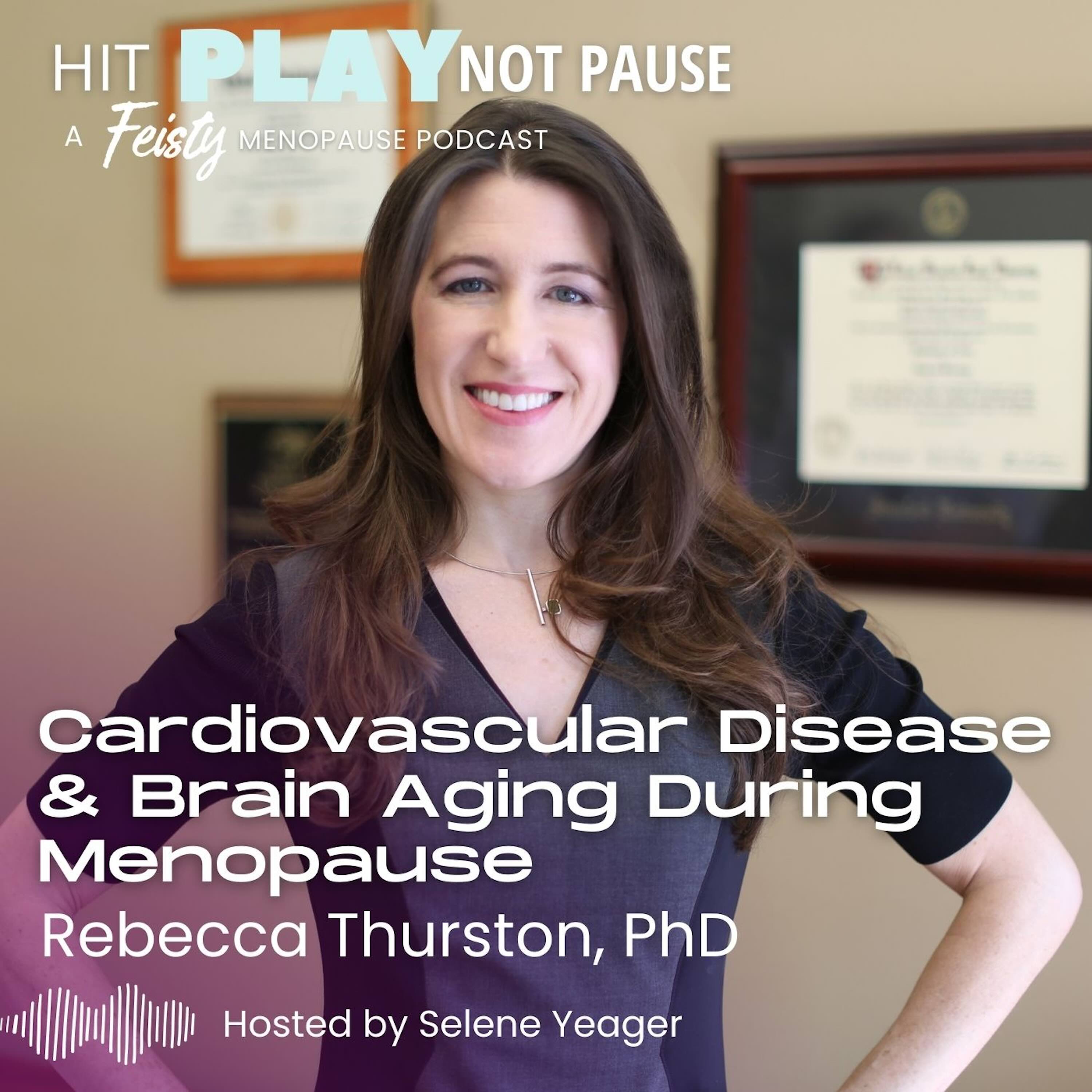
Cardiovascular Disease & Brain Aging During Menopause with Rebecca Thurston, PhD (Episode 166)
from Hit Play Not Pause
For years, hot flashes and night sweats (aka vasomotor symptoms) were considered just a “bothersome” part of being a menopausal woman: we were to wear layers, buy a fan, and soldier on. Then researchers started making some troubling connections between vasomotor symptoms and chronic disease. This week’s guest, Dr. Rebecca Thurston, is one of those investigators whose work shows that women with severe and/or persistent vasomotor symptoms have an increased risk for cardiovascular disease and changes in the brain that are linked to dementia. We dig into those findings and many more during this week’s episode.Rebecca C. Thurston, PhD, FABMR, FAPS, is recognized nationally as a leader in the field of women’s health, particularly in the areas of menopause, trauma, cardiovascular disease, and brain aging in women. Her innovative research focuses on menopause, cardiovascular disease, and dementia risk in women, three prevalent and inter-related health issues that can have a profound impact on women's lives. She is Pittsburgh Foundation Chair in Women's Health and Dementia and Professor of Psychiatry, Epidemiology, Psychology, and Clinical and Translational Science, at the University of Pittsburgh. She also serves as Director of Women's Biobehavioral Health Program at the University of Pittsburgh as well as Cardiovascular Behavioral Medicine Research Training Program at the University of Pittsburgh. You can learn more about her and her work at UPMC.com Resources:Trajectories of Sleep Over Midlife and Incident Cardiovascular Disease Events in the Study of Women’s Health Across the Nation hereTrauma and its implications for women's cardiovascular health during the menopause transition: Lessons from MsHeart/MsBrain and SWAN studies hereMenopausal Vasomotor Symptoms and White Matter Hyperintensities in Midlife Women hereMenopausal Vasomotor Symptoms and Risk of Incident Cardiovascular Disease Events in SWAN hereCognitive behavioral therapy for insomnia hereBrief behavioral treatment for insomnia hereJoin us at Feisty Fest September 18-20, 2026: https://livefeisty.com/events/feisty-fest/Courses and Coaching: https://livefeisty.com/courses/Sign up for our FREE Feisty 40+ newsletter: https://livefeisty.com/newsletters/feisty-40/Follow Us on Instagram:Feisty Menopause: @feistymenopauseHit Play Not Pause Facebook Group: https://www.facebook.com/groups/807943973376099Support our Partners:Hettas: Shop Hettas at https://alnk.to/h6KsEBr Midi Health: You Deserve to Feel Great. Book your virtual visit today at https://www.joinmidi.com/Previnex: Get 15% off your order with code HITPLAY at https://www.previnex.com/ Wahoo: Use the code FEISTY2026 to get a free Headwind Smart Fan (value $300) with the purchase of a Wahoo KICKR RUN at https://shorturl.at/WVhdr
Embed this episode
NOW PLAYING
Cardiovascular Disease & Brain Aging During Menopause with Rebecca Thurston, PhD (Episode 166)
No transcript for this episode yet
Similar Episodes
No similar episodes found.
Similar Podcasts
No similar podcasts found.