
EPISODE · Feb 2, 2025 · 23 MIN
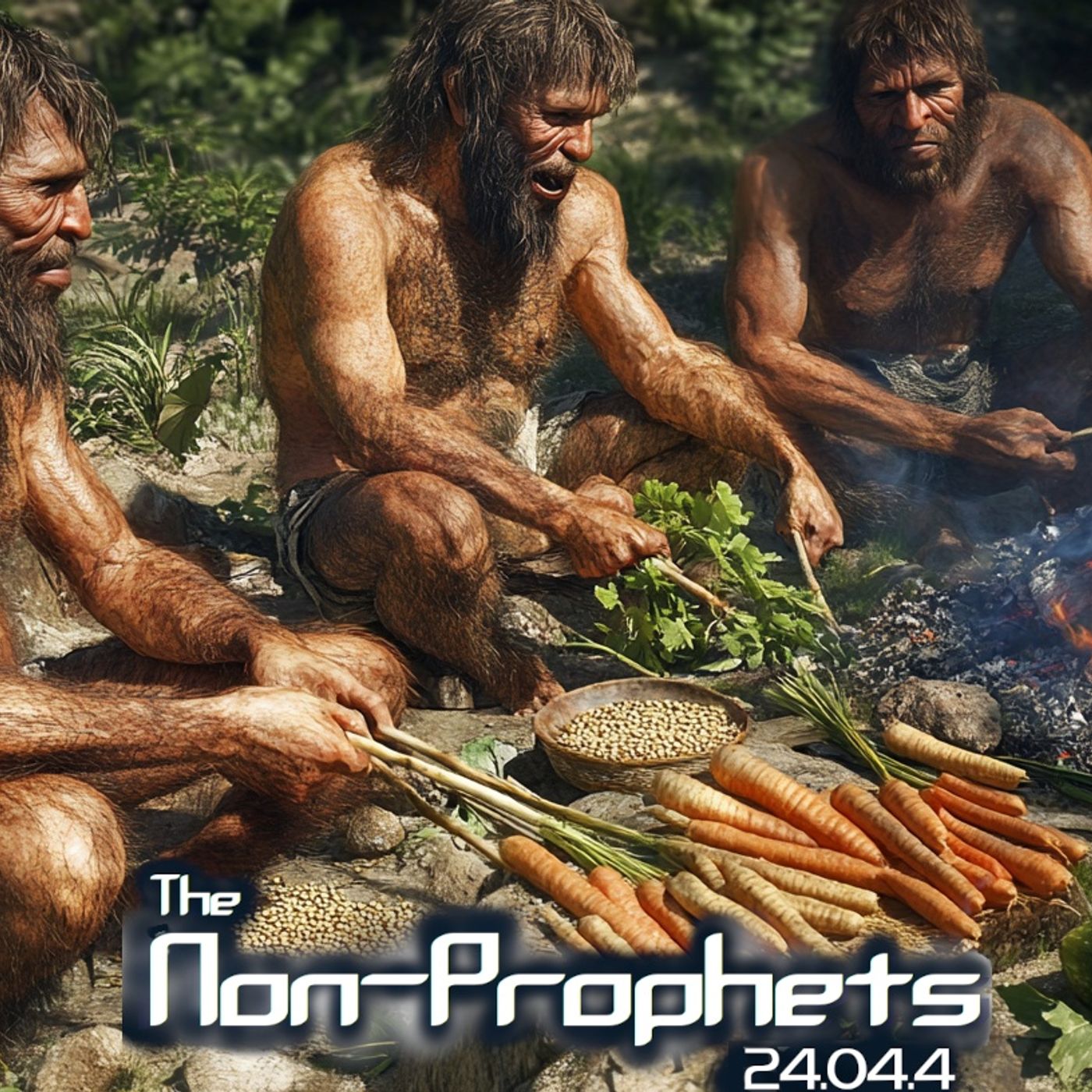
Cavemen Ate Vegan, Say Scientists
from The Non-Prophets · host Atheist Community of Austin
Scientists find that cavemen ate a mostly vegan diet in groundbreaking new studyJOE, By Ryan Price, on January 11, 2025https://www.joe.co.uk/news/scientists-find-that-cavemen-ate-a-mostly-vegan-diet-2-471100?fbclid=IwY2xjawHzYDtleHRuA2FlbQIxMAABHd2UJJnF69VVfOgz1klTAT78dKBfhwELc9WWh4w8uApYNV02vlGj5Z238w_aem_7jt6ZMICID6vWVZ2TQG9-A Original paper: Isotropic Evidence of high reliance on plant food among Later Stone Age hunter-gatherers at Taforalt, MoroccoReference on evidence of cultivation:https://www.pnas.org/doi/full/10.1073/pnas.1318176111The article in question sparks an important discussion about the nature of human diets, particularly those of Paleolithic humans, but the way it's framed seems misleading. An author claims that a tribe of Northwest African humans, around 13,000 BCE, lived on a "mostly vegan" diet, which sounds like clickbait. However, when you dive into the article, it's clear that the term "vegan" is problematic. Veganism, as we understand it today, is a modern concept that includes moral considerations about animal welfare, a concern not relevant to Paleolithic humans.The study focuses on a specific group of people from North Africa, not all Paleolithic humans. It uses dental evidence—such as cavities caused by the consumption of starchy plants—to infer dietary habits. But this doesn't equate to a vegan lifestyle; it suggests a plant-based diet with some animal products, but the use of the term "vegan" is misleading. These people were opportunistic eaters, consuming whatever was available in their environment, whether it was fish, plants, or animals. Additionally, the region they inhabited was lush with rivers and streams, suggesting that fish could have been a significant part of their diet.The author of the article fails to account for the diversity in Paleolithic diets based on geography and resources, which varied greatly. The study in question offers a snapshot of a small group in a specific area, not a sweeping generalization of human dietary habits during that time. Understanding this nuance is critical when discussing Paleolithic diets and the assumptions we make about them.While the study itself offers some fascinating insights into early forms of horticulture, it's crucial not to overgeneralize or mislabel ancient human diets based on modern concepts. The findings are important but should be viewed within their specific context, avoiding the trap of applying contemporary dietary labels like "vegan" to people who lived in a vastly different world.The Non-Prophets, Episode 24.04.4 featuring Jimmy Jr. , Jonathan Roudabush, and AJBecome a supporter of this podcast: https://www.spreaker.com/podcast/the-non-prophets--3254964/support.
Embed this episode
NOW PLAYING
Cavemen Ate Vegan, Say Scientists
No transcript for this episode yet
Similar Episodes
No similar episodes found.
Similar Podcasts
No similar podcasts found.