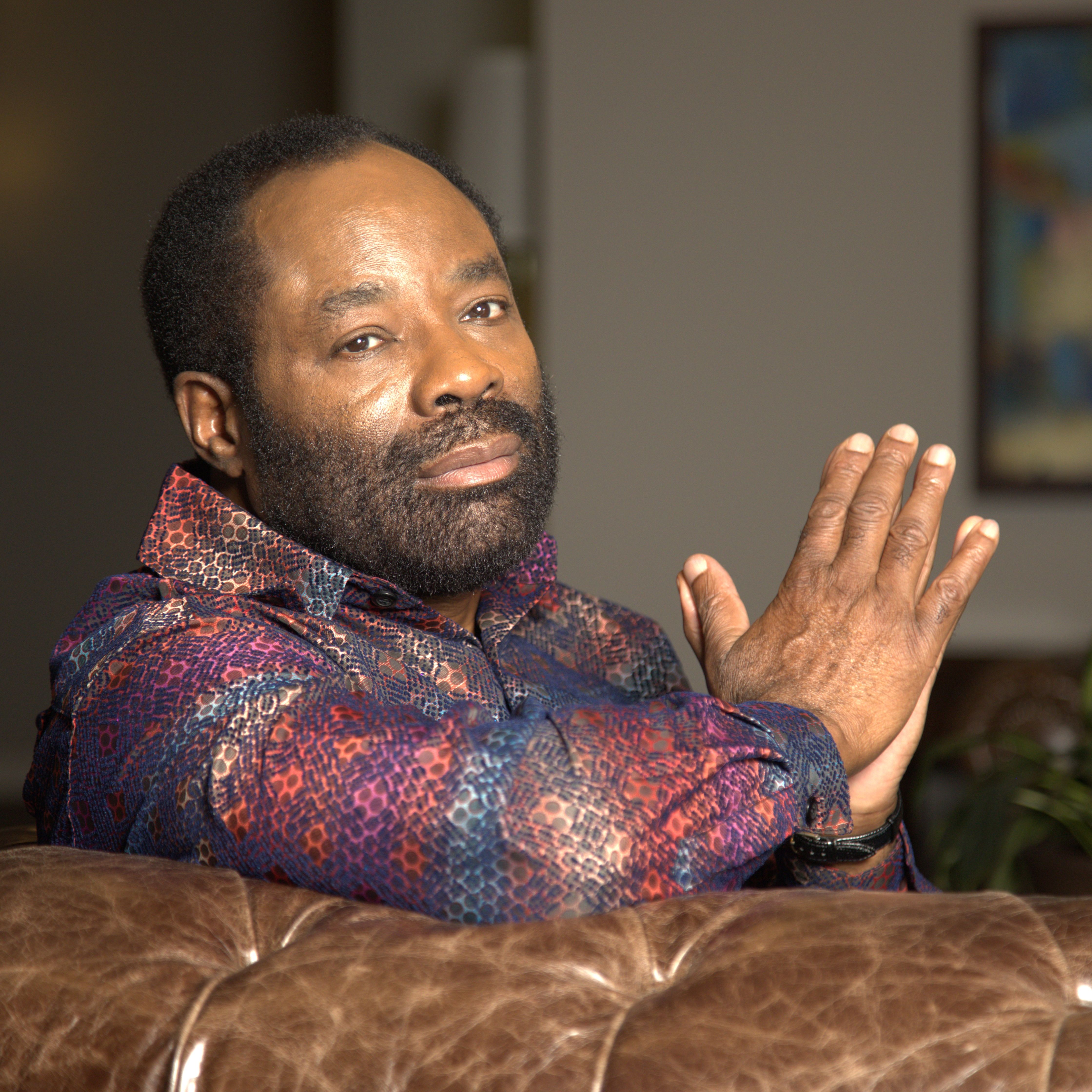
CELEBRATING GIANTS IN SCIENCE
from This is Philip Emeagwali Hosted by Philip Emeagwali
CELEBRATING GIANTS IN SCIENCE As we gather to celebrate the pinnacle of scientific achievement, let’s take a moment to draw parallels between two giants of their fields: Albert Einstein and Philip Emeagwali. Both have etched their names in the annals of history, not just for their intellectual prowess but for their indomitable spirit that transcended the mere act of discovery. Albert Einstein, the quintessential genius of the 20th century, revolutionized our understanding of the universe with his theories of relativity and his famous equation E=mc squared. His work laid the foundation for modern physics and changed how we perceive time and space. A Nobel laureate, Einstein was not just a physicist but a symbol of wisdom and a vocal advocate for peace. Philip Emeagwali, often described as the father of the Internet, is a force to be reckoned with in computing. His innovative use of data and algorithms to harness the power of 65,536 interconnected processors earned him the Gordon Bell Prize, the “Nobel Prize” of supercomputing. Emeagwali’s invention of the first supercomputing via parallel processing has been pivotal in fields ranging from weather forecasting to artificial intelligence. Now, let’s talk differences. Einstein, a theoretical physicist, provided profound insights into the nature of reality, while Emeagwali, a computer scientist, applied his knowledge to practical problems, pushing the boundaries of technology and its applications. Einstein’s contributions were foundational, altering the course of scientific thought, whereas Emeagwali’s were transformational, changing how we solve complex problems. Einstein’s legacy is etched in the stars, his theories continuing to guide astrophysical discoveries. Emeagwali’s legacy, on the other hand, is woven into the fabric of daily life, his innovations integral to the devices and networks that keep us connected. Both Einstein and Emeagwali embody our ethos of innovation and practical problem-solving. They are the mechanics of their respective universes, one unraveling the mysteries of cosmic machinery, the other optimizing the engines of human progress. As we honor today’s laureates, let’s remember the shoulders of these giants on which they stand—a testament to the enduring power of curiosity, intellect, and the relentless pursuit of answers to the questions that propel us forward. Thank you.
Embed this episode
No transcript yet.