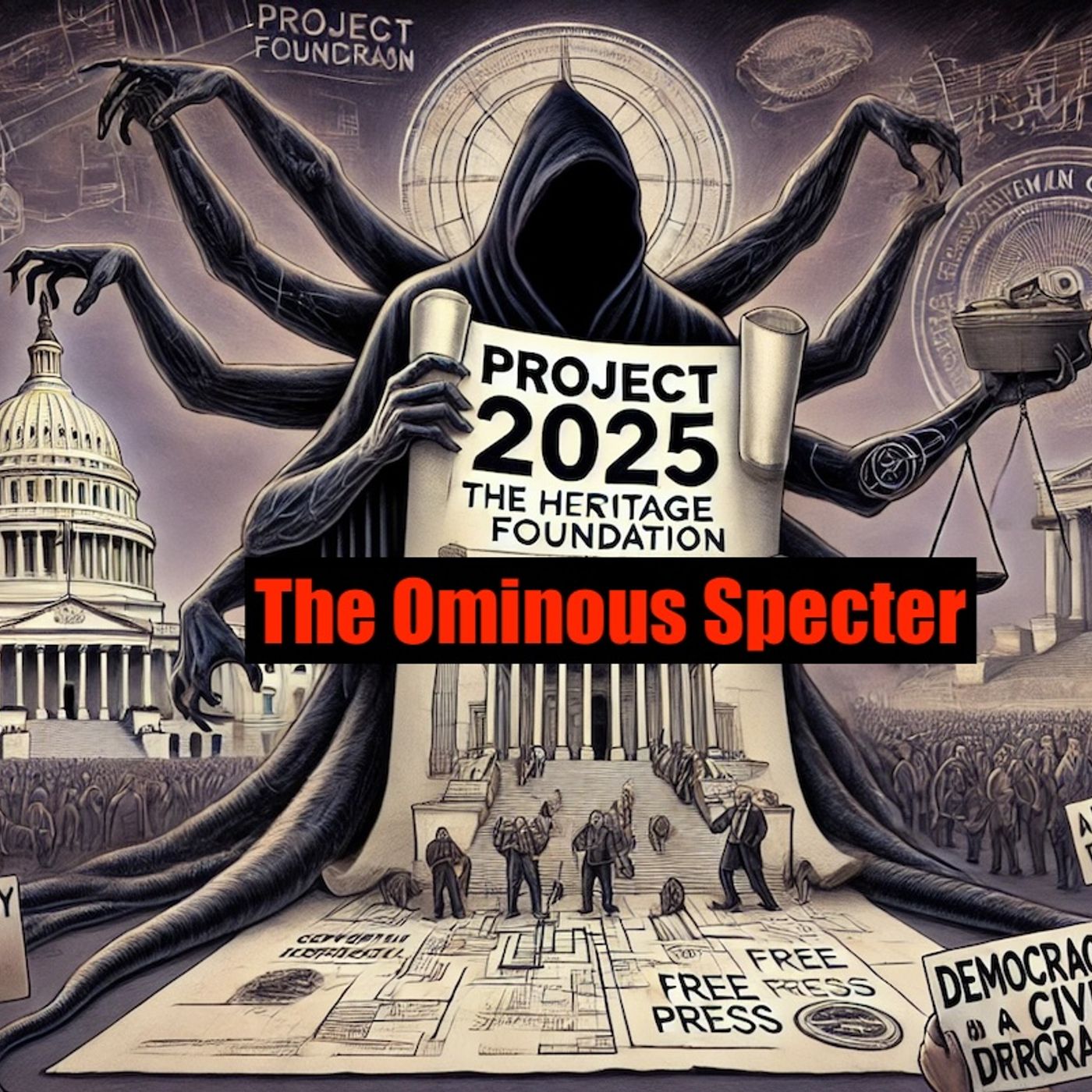
"Centralized Power Grab: Exposing the Troubling Agenda of Project 2025" episode artwork

EPISODE · Jun 17, 2025 · 6 MIN

"Centralized Power Grab: Exposing the Troubling Agenda of Project 2025"

from Project 2025: The Ominous Specter · host Inception Point AI

As I delve into the intricacies of Project 2025, a sense of profound change and potential upheaval in the U.S. federal government becomes increasingly clear. This initiative, spearheaded by conservative organizations and former Trump administration officials, aims to reshape the very fabric of American governance, centralizing executive power in ways that have sparked both fervent support and vehement opposition. At the heart of Project 2025 lies the unitary executive theory, an expansive interpretation of presidential power that seeks to place the entire executive branch under direct presidential control. This vision is championed by figures like Kevin Roberts, who advocates for all federal employees to answer directly to the president, eliminating the independence of critical agencies such as the Department of Justice, the FBI, the Federal Communications Commission, and the Federal Trade Commission[4]. One of the most striking aspects of Project 2025 is its plan for the Department of State. Kiron Skinner, who authored the State Department chapter of the project, proposes dismissing all current leadership roles within the department before January 20, 2025. Skinner, who briefly headed the department's office of policy planning during the Trump administration, believes that most State Department employees are too left-wing and should be replaced with ideologically vetted leaders appointed to acting roles that do not require Senate confirmation. When questioned about instances where State Department employees obstructed Trump policies, Skinner admitted she could not name a single example[4]. This radical overhaul is part of a broader "Mandate for Leadership," a 900-plus page policy playbook that outlines sweeping reforms across various federal agencies. For instance, Project 2025 suggests consolidating or eliminating programs like those managed by the Economic Development Administration (EDA), which has been instrumental in investing billions of dollars into transformative infrastructure projects. These investments have generated nearly $20 billion in private investment and created over 220,000 jobs. By dismantling such programs, Project 2025 could severely undermine the federal government's ability to invest in communities, potentially devastating working people, small businesses, and the overall health of the economy[5]. The project also targets the data-collection capacities of key agencies. By consolidating the Bureau of Economic Analysis, Census Bureau, and Bureau of Labor Statistics, Project 2025 would significantly impair the ability of these agencies to provide independent, partisan-free data. This data is crucial for businesses, researchers, and government organizations, and its manipulation could have far-reaching consequences for the economy. As the U.S. Bureau of Labor Statistics notes, their data is intentionally independent from partisan interests and is relied upon by a wide range of stakeholders[5]. The implications of these c This content was created in partnership and with the help of Artificial Intelligence AI.

As I delve into the intricacies of Project 2025, a sense of profound change and potential upheaval in the U.S. federal government becomes increasingly clear. This initiative, spearheaded by conservative organizations and former Trump administration officials, aims to reshape the very fabric of American governance, centralizing executive power in ways that have sparked both fervent support and vehement opposition. At the heart of Project 2025 lies the unitary executive theory, an expansive interpretation of presidential power that seeks to place the entire executive branch under direct presidential control. This vision is championed by figures like Kevin Roberts, who advocates for all federal employees to answer directly to the president, eliminating the independence of critical agencies such as the Department of Justice, the FBI, the Federal Communications Commission, and the Federal Trade Commission[4]. One of the most striking aspects of Project 2025 is its plan for the Department of State. Kiron Skinner, who authored the State Department chapter of the project, proposes dismissing all current leadership roles within the department before January 20, 2025. Skinner, who briefly headed the department's office of policy planning during the Trump administration, believes that most State Department employees are too left-wing and should be replaced with ideologically vetted leaders appointed to acting roles that do not require Senate confirmation. When questioned about instances where State Department employees obstructed Trump policies, Skinner admitted she could not name a single example[4]. This radical overhaul is part of a broader "Mandate for Leadership," a 900-plus page policy playbook that outlines sweeping reforms across various federal agencies. For instance, Project 2025 suggests consolidating or eliminating programs like those managed by the Economic Development Administration (EDA), which has been instrumental in investing billions of dollars into transformative infrastructure projects. These investments have generated nearly $20 billion in private investment and created over 220,000 jobs. By dismantling such programs, Project 2025 could severely undermine the federal government's ability to invest in communities, potentially devastating working people, small businesses, and the overall health of the economy[5]. The project also targets the data-collection capacities of key agencies. By consolidating the Bureau of Economic Analysis, Census Bureau, and Bureau of Labor Statistics, Project 2025 would significantly impair the ability of these agencies to provide independent, partisan-free data. This data is crucial for businesses, researchers, and government organizations, and its manipulation could have far-reaching consequences for the economy. As the U.S. Bureau of Labor Statistics notes, their data is intentionally independent from partisan interests and is relied upon by a wide range of stakeholders[5]. The implications of these c This content was created in partnership and with the help of Artificial Intelligence AI.

NOW PLAYING

"Centralized Power Grab: Exposing the Troubling Agenda of Project 2025"

0:00 6:45

No transcript for this episode yet

We transcribe on demand. Request one and we'll notify you when it's ready — usually under 10 minutes.

Frequently Asked Questions

How long is this episode of Project 2025: The Ominous Specter?

This episode is 6 minutes long.

When was this Project 2025: The Ominous Specter episode published?

This episode was published on June 17, 2025.

What is this episode about?

As I delve into the intricacies of Project 2025, a sense of profound change and potential upheaval in the U.S. federal government becomes increasingly clear. This initiative, spearheaded by conservative organizations and former Trump administration...

Can I download this Project 2025: The Ominous Specter episode?

Yes, you can download this episode by clicking the download button on the episode player, or subscribe to the podcast in your preferred podcast app for automatic downloads.
URL copied to clipboard!