
EPISODE · Apr 21, 2016 · 6 MIN
CEPPS’ Local Partners in Guatemala Discuss 2015 Elections
from IFES' Dialogues on Democracy · host IFES
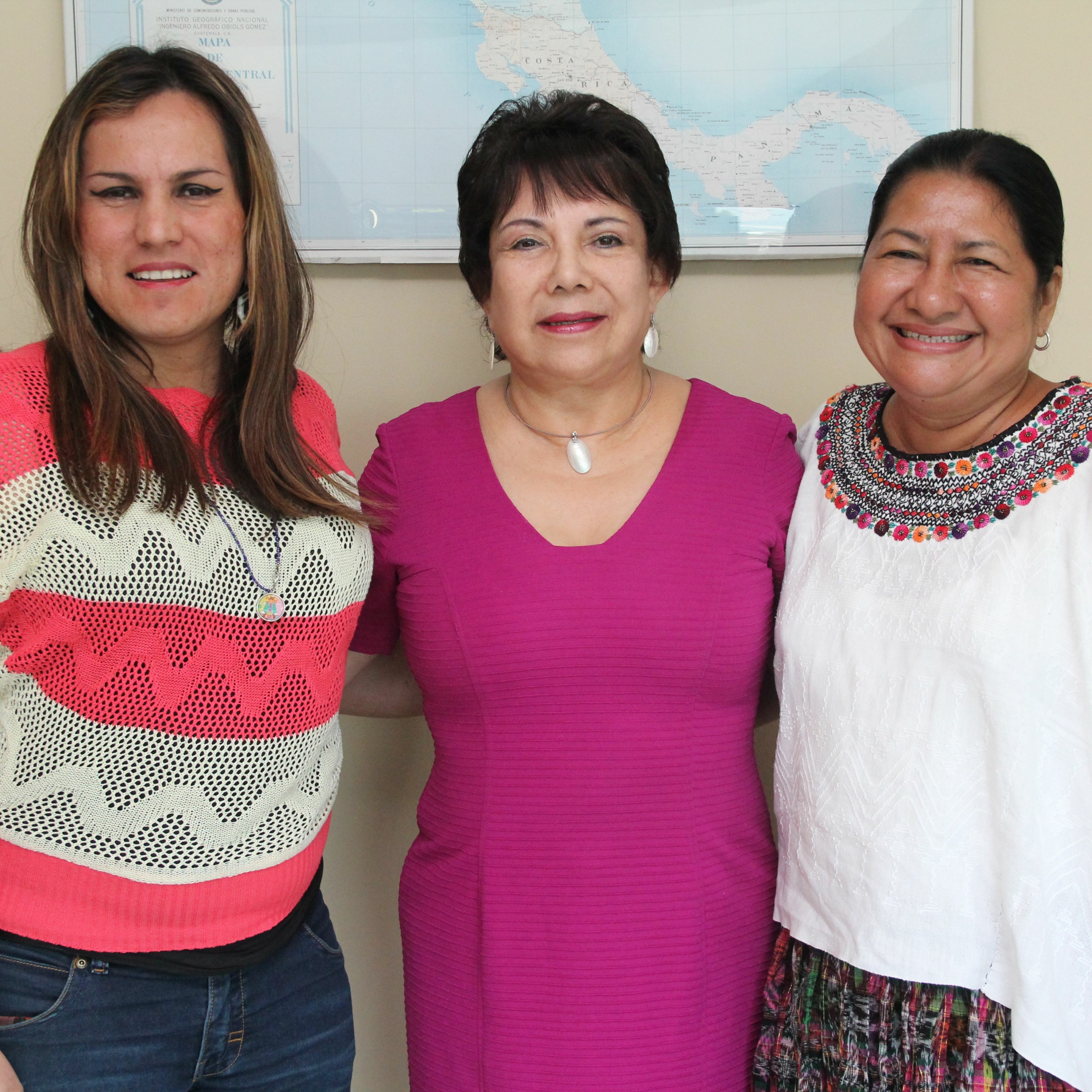
Podcast transcript and available here: http://bit.ly/1qFygC3 Guatemalan citizens headed to the polls in September and October 2015 to elect a new President, Vice President, Congress and other state and municipal leaders. The general elections took place against a backdrop of high-level criminal cases and popular civic protests against corruption. Starting in late April, a series of corruption investigations surfaced that shook the political landscape, sparking large and continuous public protests and forcing the resignations of many cabinet members and high-level officials, including the President and Vice President. Despite a climate of political uncertainty and concerns over potential eruptions of violence, Guatemalans cast ballots in an overall transparent, smooth and peaceful electoral process. With funding from the United States Agency for International Development (USAID), the Consortium for Elections and Political Process Strengthening (CEPPS) is implementing the program “Elections; More Inclusion, Less Violence,” to monitor and mitigate electoral violence and illicit financing of electoral campaigns, support the Supreme Electoral Tribunal’s (TSE) administration of the elections, strengthen traditionally marginalized civil society groups and increase social inclusion in the electoral process. After the first round of elections in September, CEPPS members, including the International Foundation for Electoral Systems (IFES), International Republican Institute (IRI) and National Democratic Institute (NDI), sat down with their Guatemalan partners to gauge their impressions of how the electoral process unfolded and discuss the political environment in the country. Each CEPPS partner invited one of their local partners to discuss these issues from their perspectives. Participants included: Maria Eugenia Mijangos, who, as a Magistrate of the TSE, was responsible for administering the elections; Pilly Salazar, a transgender woman journalist who participated in IRI’s training program for responsible journalism; and Eugenia Juárez Xol, who participated in NDI’s long-term observation of electoral violence and illicit campaign finance in El Estor.
Embed this episode
NOW PLAYING
CEPPS’ Local Partners in Guatemala Discuss 2015 Elections
No transcript for this episode yet
Similar Episodes
No similar episodes found.
Similar Podcasts
No similar podcasts found.