
EPISODE · Mar 12, 2026 · 3 MIN
Charleston's Food Scene is Getting Spicy: Filipino Dumplings Meet Southern Grits and We're Here for All the Drama
from Food Scene Charleston · host Inception Point AI
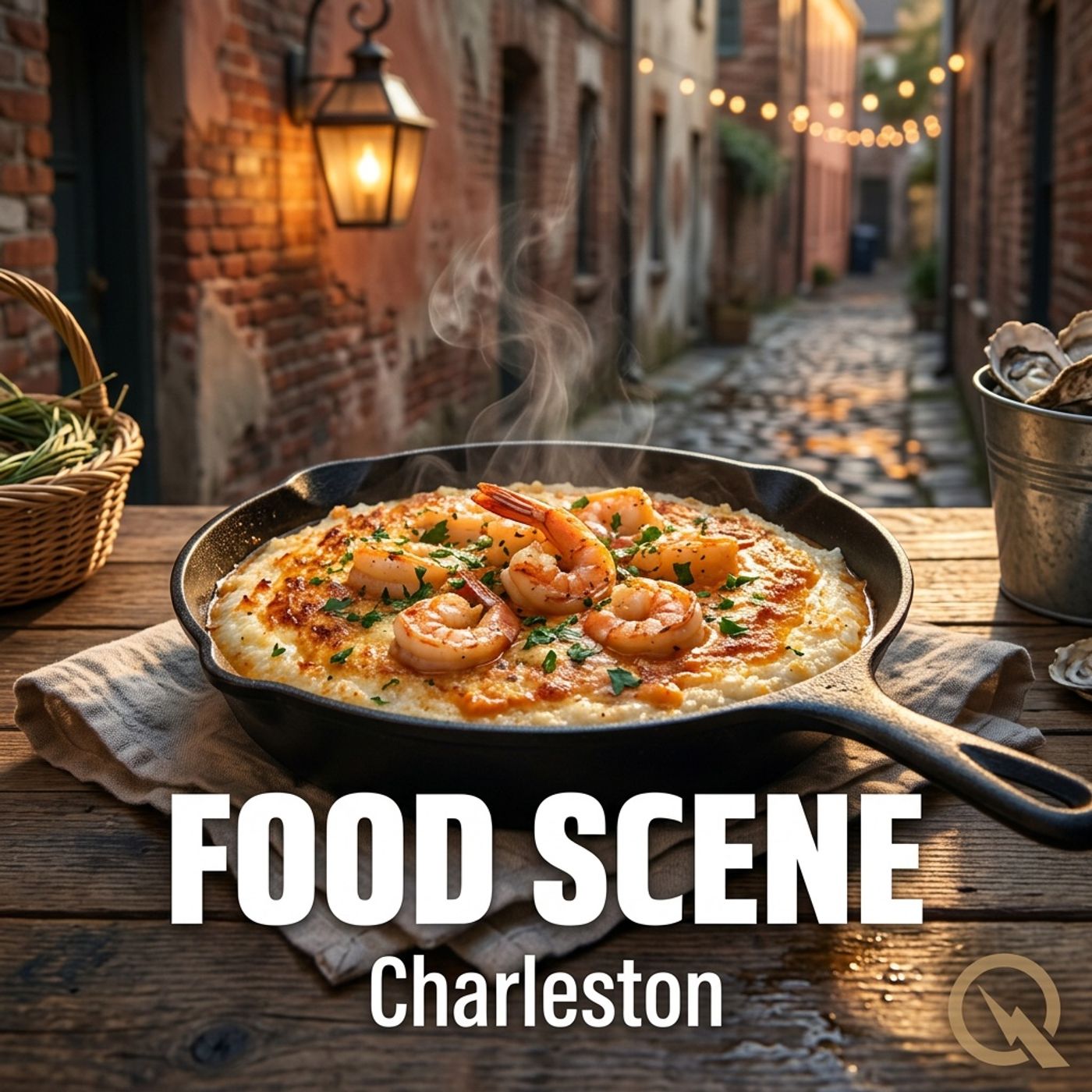
Food Scene Charleston # Charleston's Culinary Renaissance: Where Tradition Meets Innovation Charleston's food scene is experiencing a transformative moment, blending centuries of Lowcountry heritage with bold new voices reshaping what dining in this historic city means. The result is a dining landscape that honors its past while embracing an exciting, cosmopolitan future. The city's restaurant openings in 2026 tell a story of diversification and ambition. PopUp Bagels has arrived at 83 Mary Street, bringing freshly baked bagels and rotating schmears to Charleston's breakfast conversation. Meanwhile, Bareo represents a fascinating culinary fusion, combining Filipino and Japanese influences through dumplings and kakigōri, the delicate Japanese shaved ice. These newcomers join established concepts like The Crossing, a coastal Mediterranean restaurant featuring seafood and seasonal ingredients at The Cooper development on Concord Street, demonstrating how Charleston's dining culture increasingly embraces global perspectives. Yet Charleston remains fundamentally rooted in its culinary traditions. Shrimp and Grits stands as the quintessential Charleston dish, a Southern classic originating from Gullah Geechee culture that combines succulent shrimp with creamy stone-ground grits. She-Crab Soup, that elegant velvety blend of crab meat, roe, and sherry, continues captivating diners with its coastal refinement. These dishes aren't relics but living traditions, constantly reinterpreted by chefs like Sean Brock at Husk, who elevate classics through locally sourced ingredients. What distinguishes Charleston's current moment is how new establishments respect this heritage while pushing boundaries. Kultura, now expanded to a new location at 267 Rutledge Avenue, has captivated both diners and James Beard Foundation judges with chef-owner Nikko Cagalanan's Filipino cuisine, including pancit, sisig, and lumpia. Costa Charleston brings chef Vinson Petrillo's coastal Italian perspective to the Jasper building near Colonial Lake. These restaurants succeed because they understand that Charleston listeners don't want abandonment of tradition but rather thoughtful conversation with it. The city's culinary identity emerges from its unique historical geography. The Gullah Geechee cultural heritage infuses dishes like Okra Soup, rooted in African cooking traditions brought by enslaved peoples whose agricultural knowledge shaped the Lowcountry. Deviled Crab, Frogmore Stew, and Hoppin' John carry stories of resilience, resourcefulness, and cultural pride. Modern chefs increasingly acknowledge these connections, creating menus that celebrate rather than erase this complexity. Charleston's restaurant scene thrives because it refuses false choices between preservation and innovation. Whether experiencing shrimp and grits at a legendary institution or discovering Japanese-Filipino fusion at Bareo, visitors encounter a city genuinely invested in both honoring its culinary This content was created in partnership and with the help of Artificial Intelligence AI.
Embed this episode
Ready to play
Charleston's Food Scene is Getting Spicy: Filipino Dumplings Meet Southern Grits and We're Here for All the Drama
No transcript for this episode yet
Similar Episodes
No similar episodes found.