
EPISODE · Jan 10, 2024 · 27 MIN
Choice architecture: The power of the default
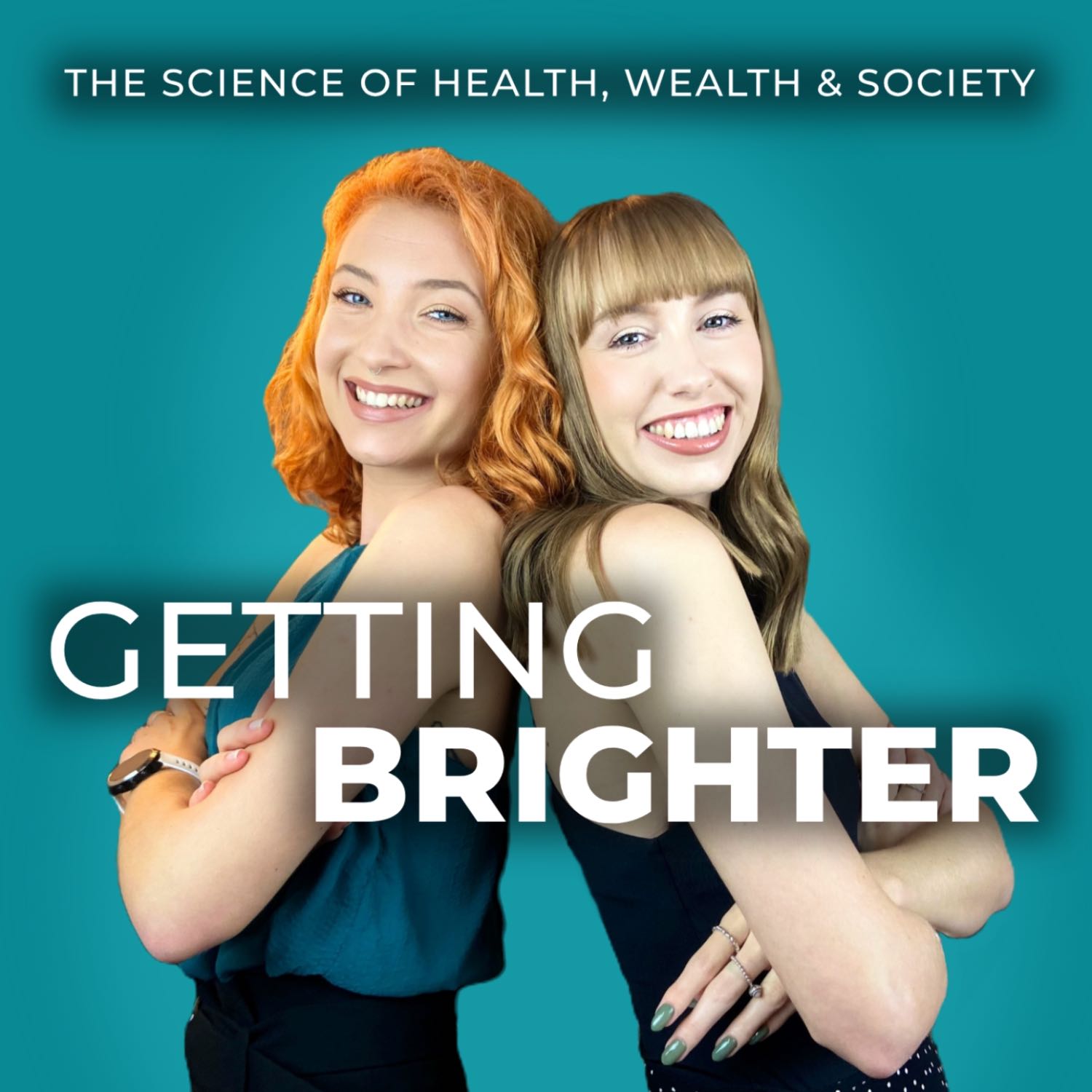
from Getting Brighter
Though we may not realise it, our environments are often designed with the intention of ‘nudging’ us towards more desirable choices – a phenomenon known as choice architecture. In this episode, we introduce you to two of the main techniques used in choice architecture – nudges and defaults – and demonstrate how influential they can be in guiding the choices we make about our health, savings, and the environment. We provide you with tips for how you can build this science into your daily routine, so you can become the choice architect in your own life!📊 Key research studies we discussed:Study comparing opt-out (presumed consent) vs. opt-in (explicit consent) vs. mandated choice defaults for organ donation: Comparing the effects of defaults in organ donation systems (Social Science & Medicine, 2014)Opt-out retirement saving plan increased average saving rates by 10% over a 40 month period: Save More Tomorrow™: Using behavioural economics to increase employee saving (Journal of Political Economy, 2004)Opt-out ‘green’ energy tariff increased purchases of such nearly tenfold: Domestic uptake of green energy promoted by opt-out tariffs (Nature Climate Change, 2015)Research from Nudge Units estimating publication bias to be responsible for 60-70% of the difference in effect size between academic and government trials: RCTs to scale: Comprehensive evidence from two nudge units (Econometrica, 2022)Study investigating attitudes towards nudge-policies in the United States and Sweden: Public views on policies involving nudges (Review of Philosophy and Psychology, 2015)📚 Books and other resources:Nudge: Improving decisions about health, wealth, and happiness (Richard Thaler and Cass Sunstein, 2008)Article summarising the effect size controversy in the academic literature: Nudge theory doesn't work after all, says new evidence review - but it could still have a future (The Conversation, 2022)Press release on study investigating the factors that influence the acceptability of nudge-policies: People more likely to accept nudges if they know how they work and how effective they are (Science Daily, 2020)📱 Connect with us on Instagram, Threads, and Twitter @getbrighterpodWe thank the South West Doctoral Training Partnership for supporting this podcast and Rhannan Lacey for audiography, videography, and production.
Embed this episode
Ready to play
Choice architecture: The power of the default
No transcript for this episode yet
Similar Episodes
No similar episodes found.
Similar Podcasts
No similar podcasts found.