
EPISODE · Jul 17, 2025 · 14 MIN
Christ, Our First Neighbor: The Call to Go and Do Likewise
from Ad Jesum per Mariam · host Ad Jesum per Mariam
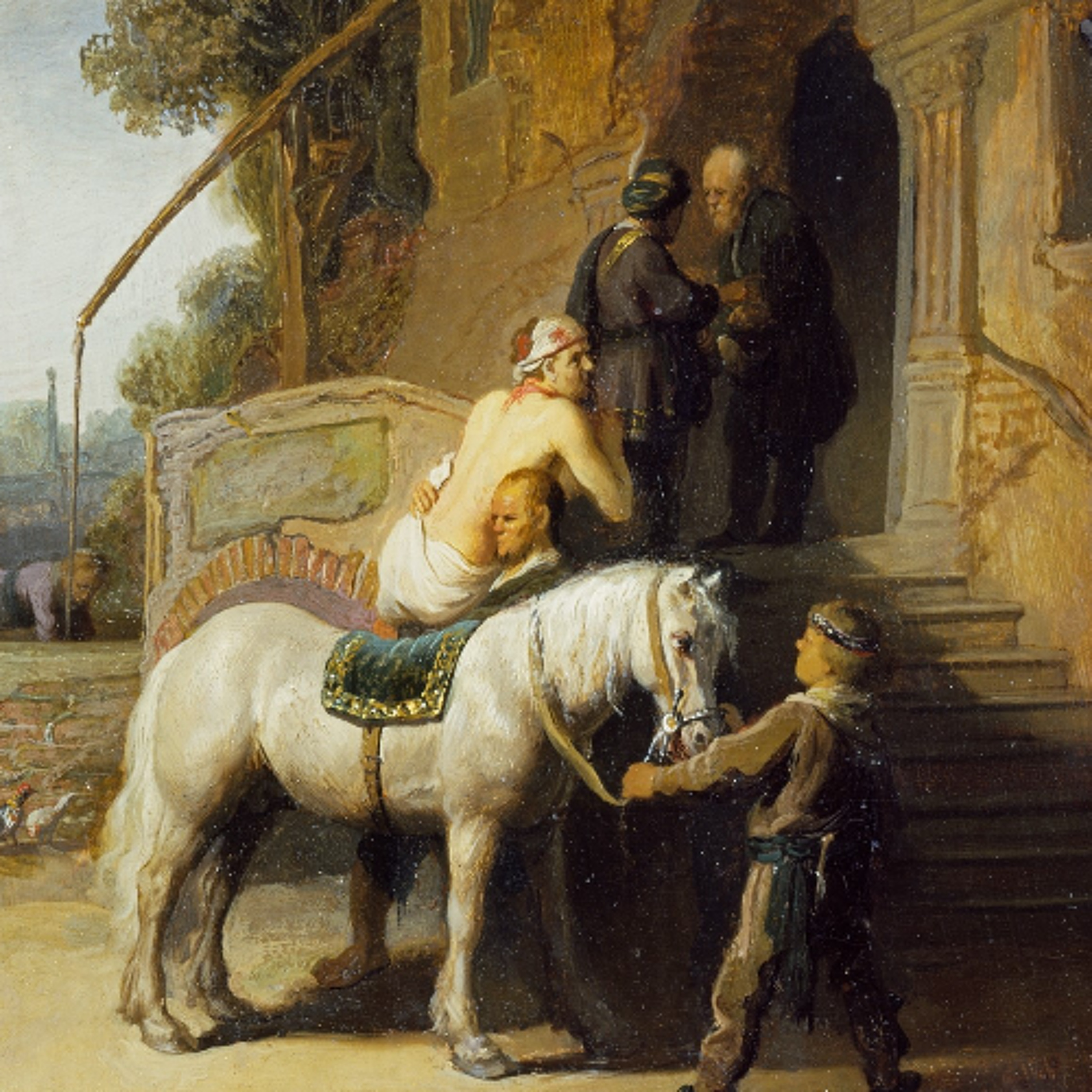
Christ, Our First Neighbor: The Call to Go and Do Likewise The Homily initially reflects on a personal experience during a visa interview . . . . . . where the identity as a priest was questioned, drawing a parallel to the Gospel account in which a lawyer tests Jesus’ identity and authority. Jesus responds with the parable of the Good Samaritan, shifting the focus from the legalistic question “Who is my neighbor?” to the deeper reality that Christ Himself has become a neighbor to humanity. In the parable, the journey from Jerusalem (symbolizing a movement away from God) represents humanity’s fall, with the wounded man symbolizing sinful, broken people. The priest and Levite, themselves on a path away from God, are unable to help. It is the Good Samaritan . . . symbolizing Jesus . . . who shows compassion, heals, and restores the wounded man, a clear symbol for Christ’s saving work through the sacraments and His incarnation. Christ has Made Himself Our Neighbor The key message: because Christ has made Himself our neighbor through love, compassion, and sacrifice, we are now commissioned to become neighbors to others . . . especially those in need, those who mourn, and those seeking forgiveness or assistance. Our ability to love others flows from having first received Christ’s love ourselves. Listen more to: Christ, Our First Neighbor: The Call to Go and Do Likewise ----------------------------------------------------------------- The Good Samaritan: Dutch Painter: Rembrandt: 1630 ----------------------------------------------------------------- Gospel Reading: Luke 10: 25-37 First Reading: Deuteronomy 30: 10-14 Second Reading: Colossians 1: 15-20
Embed this episode
NOW PLAYING
Christ, Our First Neighbor: The Call to Go and Do Likewise
No transcript for this episode yet
Similar Episodes
No similar episodes found.
Similar Podcasts
No similar podcasts found.