
EPISODE · Dec 11, 2025 · 1H 22M
Chromatin Structure and Its Effects on Transcription( CMB part 11)
from Cellular and Molecular Biology for Research · host Ahmadreza Gharaeian
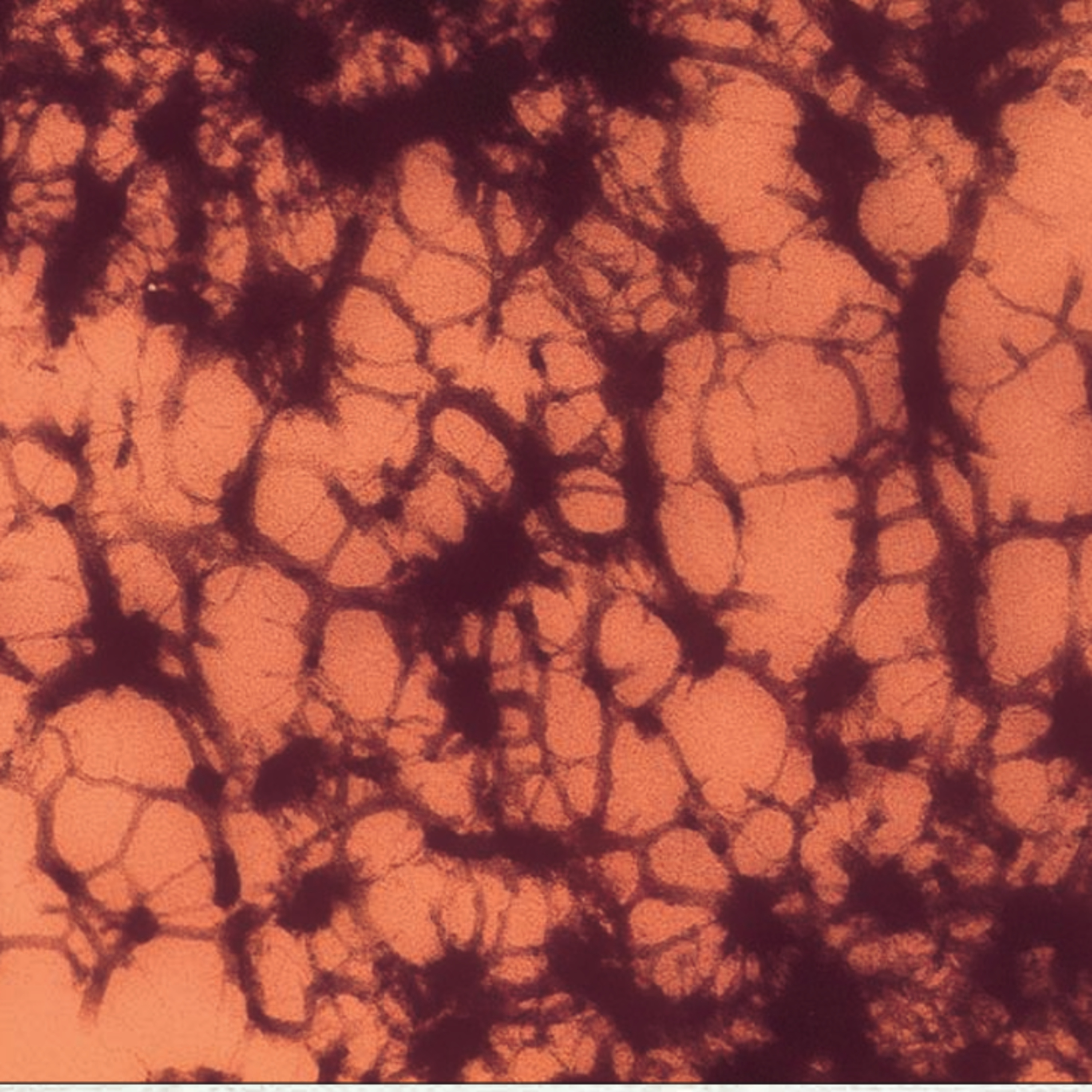
Eukaryotic DNA associates with basic protein molecules called histones to form nucleosomes. Each nucleosome consists of four pairs of histones (H2A, H2B, H3, and H4) arranged in a wedge-shaped disc, around which 146 base pairs (bp) of DNA are wrapped. Histone H1, which is not part of the core nucleosome, is more easily removed from chromatin than the core histones. In the second level of chromatin folding, both in vitro and presumably in vivo, a string of nucleosomes forms a 30-nanometer (nm) fiber. Studies indicate that this fiber exists in at least two forms within the nucleus: inactive chromatin, characterized by a high nucleosome repeat length (approximately 197 bp), tends to adopt a solenoid folding structure and interacts with histone H1, which stabilizes its structure. Conversely, active chromatin, with a lower nucleosome repeat length (around 167 bp), folds according to the two-start double helical model.The third level of chromatin condensation involves the formation of radial loop structures in eukaryotic chromosomes. The 30-nm fiber forms loops ranging from 35 to 85 kilobases () in length, anchored to the chromosome's central matrix.Core histones (H2A, H2B, H3, and H4) assemble nucleosome cores on naked DNA. Transcription of a class II gene in reconstituted chromatin, with an average of one nucleosome core per 200 bp of DNA, shows approximately 75% repression compared to naked DNA. The remaining 25% activity is attributed to promoter sites not covered by nucleosome cores. Histone H1 further represses template activity beyond the core nucleosomes. This repression can be mitigated by transcription factors, some of which, like Sp1 and GAL4, act as both antirepressors (preventing repression by histone H1) and transcription activators. Others, such as the GAGA factor, function solely as antirepressors, likely competing with histone H1 for binding.
Embed this episode
Ready to play
Chromatin Structure and Its Effects on Transcription( CMB part 11)
No transcript for this episode yet
Similar Episodes
No similar episodes found.
Similar Podcasts
No similar podcasts found.