
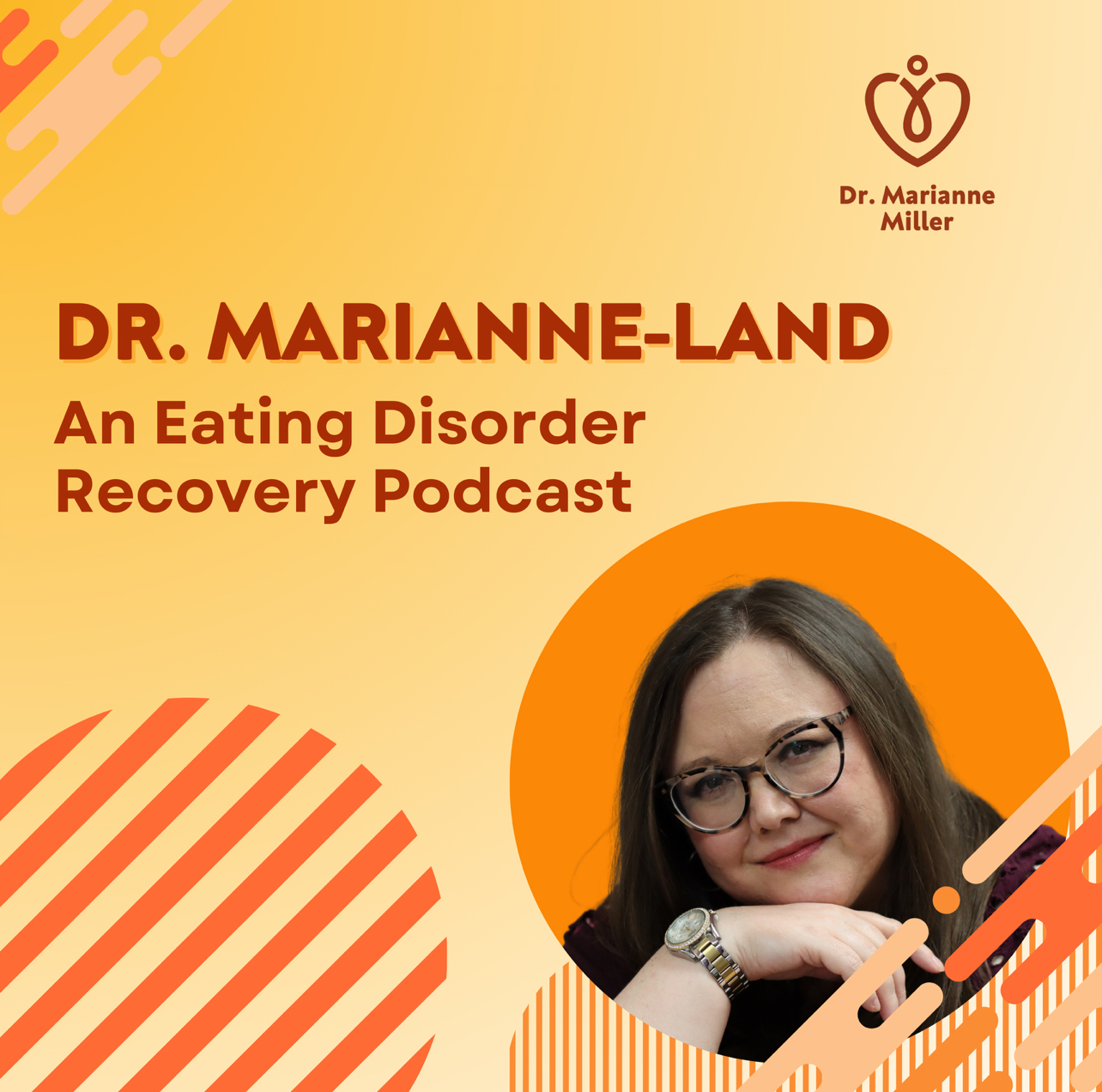
EPISODE · Apr 8, 2026 · 16 MIN
Chronic Eating Disorders: Why Some Anorexia & Bulimia Become Long-Term
from Dr. Marianne-Land: An Eating Disorder Recovery Podcast · host mariannemillerphd
Not all eating disorders follow a short or linear recovery path. For many people, anorexia and bulimia become long-term, shifting over time rather than disappearing. In this episode, Dr. Marianne explores why eating disorders become chronic, how symptoms can wax and wane across life stages, and what this means for recovery, support, and understanding your nervous system. This episode offers a deeper look at chronic eating disorders, including the roles of nervous system regulation, trauma, neurodivergence, and environmental stressors, while challenging the idea that long-term symptoms reflect failure. Why Do Eating Disorders Become Chronic? Many people search for answers to why anorexia and bulimia become long-term. This episode reframes that question by focusing on function rather than blame. Eating disorders often persist because they provide structure, predictability, and a way to regulate overwhelming internal states. Dr. Marianne explains how anorexia can create a sense of control and stability, while bulimia can help discharge emotional intensity and reduce distress. Over time, these patterns become deeply learned and reinforced, making them more automatic, especially during periods of stress or uncertainty. Chronic Eating Disorders Change Over Time A key theme in this episode is that chronic eating disorders are not static. Symptoms often wax and wane depending on life circumstances, developmental stages, and stress levels. Periods of stability may bring some quieting of symptoms, while transitions, uncertainty, or increased demands can lead to intensification. Dr. Marianne explores how both micro-stressors, such as daily overwhelm, and systemic stressors, such as financial strain or societal pressures, can influence the presence and intensity of eating disorder behaviors. This perspective helps reframe symptom shifts as a nervous system response, rather than a personal setback. The Role of the Nervous System in Long-Term Eating Disorders Chronic anorexia and bulimia are deeply connected to nervous system regulation. Eating disorder behaviors can shift emotional states, reduce overwhelm, and create a sense of safety when other forms of support are not accessible. This episode explains why behavior-focused approaches alone are often not enough. Without alternative ways to support regulation, the body will often return to familiar patterns that have provided relief in the past. Understanding this connection is essential for long-term change. Trauma, Neurodivergence, and Chronic Eating Disorders This episode explores how trauma and neurodivergence intersect with long-term eating disorders. Eating disorder behaviors can help manage trauma-related distress by creating distance from overwhelming emotions or offering a sense of agency. For neurodivergent individuals, including those who are autistic or ADHD, eating patterns may also be shaped by sensory needs, routine, and predictability. What is often labeled as rigidity can be understood as an adaptive response that helps maintain equilibrium in an overstimulating or unpredictable world. Why Eating Disorder Treatment May Not Stick Many people with long-term anorexia or bulimia have engaged in treatment multiple times. When symptoms return, it can lead to frustration or self-blame. This episode offers a different perspective by highlighting how treatment may not always address the underlying functions of eating disorder behaviors. Dr. Marianne discusses how approaches that focus only on symptom change, without addressing nervous system needs, lived experience, and environmental context, may not lead to sustainable shifts. This insight helps explain why eating disorders can persist even when someone is deeply committed to recovery. Rethinking Recovery for Chronic Eating Disorders Recovery from chronic eating disorders does not have to follow a rigid or time-limited model. This episode introduces a more flexible framework that centers on understanding function, increasing support, and expanding options over time. Dr. Marianne explores how recovery can include harm reduction, gradual change, and nonlinear progress, while still being meaningful and valid. This approach allows for a more compassionate and sustainable path forward for individuals living with long-term anorexia or bulimia. Related Episodes Chronic Eating Disorders in 2026: What Hope Can Actually Look Like on Apple and Spotify. Why Some Eating Disorders Don’t Resolve: Understanding Chronic Patterns & What Actually Supports Change on Apple and Spotify. When an Eating Disorder Becomes Chronic: Recovery Tools for Persistent Anorexia & Bulimia on Apple and Spotify. Work With Dr. Marianne If this episode resonated and you are looking for support with chronic eating disorders, long-term anorexia, or bulimia, you can work with Dr. Marianne through therapy or coaching. Dr. Marianne offers neurodivergent-affirming, liberation-focused eating disorder support that integrates nervous system regulation, sensory needs, and individualized care. She also uses a harm-reduction approach for those with long-term eating disorders. Services are available for clients in California, Texas, Washington, D.C., and globally through coaching. Learn more about working together: https://www.drmariannemiller.com
Embed this episode
What this episode covers
Chronic eating disorders explained: why anorexia and bulimia become long-term, how symptoms change over time, and what helps eating disorder recovery.
Ready to play
Chronic Eating Disorders: Why Some Anorexia & Bulimia Become Long-Term
No transcript for this episode yet
Similar Episodes
No similar episodes found.
Similar Podcasts
No similar podcasts found.